Mastering Large Grant Applications
Understanding Grant Types
Finding the Right Funder
Think of grants as investments. An organization provides money not just out of generosity, but because it wants to see a specific outcome in the world. Your job is to find the funders who want the same outcomes as you.
Grant funding generally comes from three main sources: governments, private foundations, and corporations. Each has its own motivations, priorities, and rules. Understanding these differences is the first step to finding a good match for your project.
Government Grants
Government grants use public funds to achieve public good. This money comes from taxpayers, so the process is often formal, highly regulated, and requires strict reporting to ensure accountability. These grants can be offered at the federal, state, or local level.
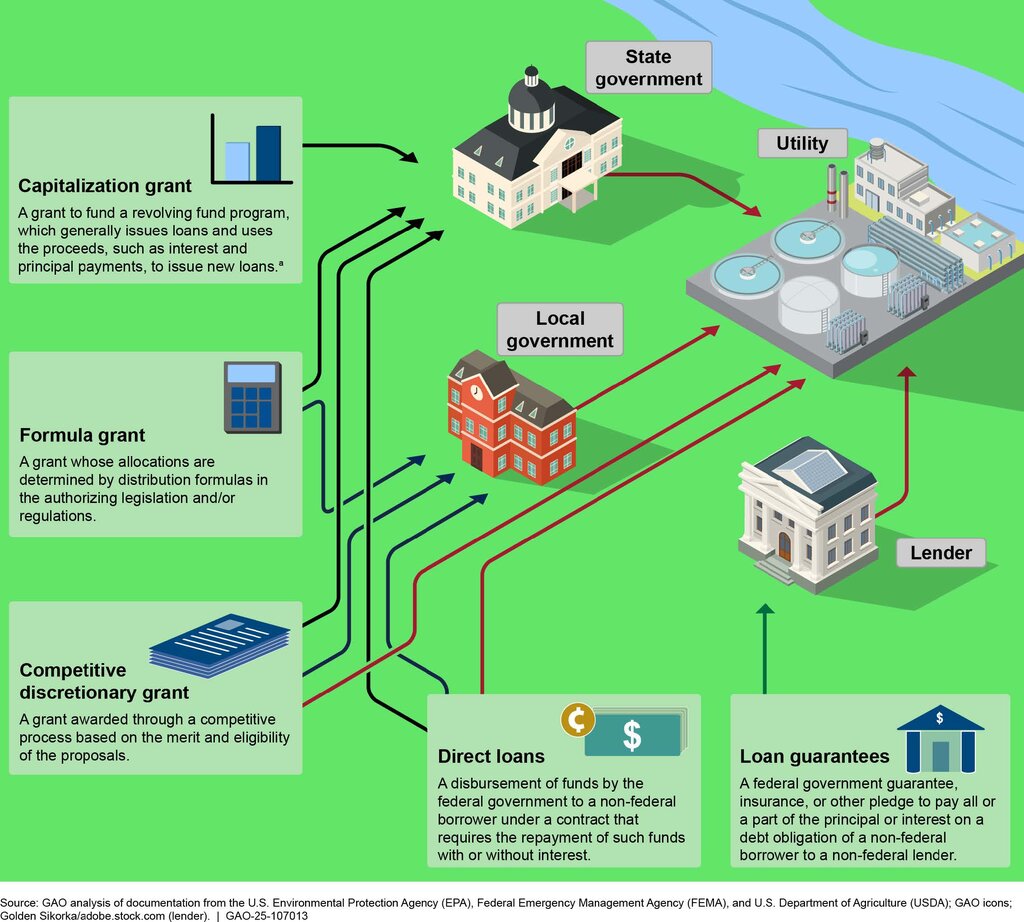
Because they serve the public, government grants typically focus on large-scale issues like scientific research, public health, infrastructure, education, and the arts. The application process is usually lengthy and detailed, with specific, non-negotiable requirements and deadlines. Success often depends on carefully following instructions and proving your project meets a clearly defined public need.
Foundation and Corporate Grants
Unlike governments, foundations and corporations use private money. This gives them more flexibility in who and what they fund.
Foundations are non-profit organizations created specifically to give money away. They exist to fulfill a mission, which might be very broad (e.g., “advancing human well-being”) or very specific (e.g., “conserving wetlands in coastal Florida”). They are often more open to building relationships with applicants and may offer more than just money, such as guidance and connections.
Corporate grants, on the other hand, are part of a company’s business strategy. A corporation’s giving program, often called Corporate Social Responsibility (CSR), is usually linked to its brand, products, or community presence. For example, a bank might fund financial literacy programs, or a grocery chain might support local food banks. They may also offer in-kind support, like donated software or volunteer hours from employees.
| Grant Type | Source of Funds | Primary Motivation | Common Focus Areas |
|---|---|---|---|
| Government | Taxes | Public service & policy goals | Research, infrastructure, health |
| Foundation | Private endowment | Fulfilling a specific mission | Social causes, arts, environment |
| Corporate | Company profits | Business goals & social responsibility | Community needs, STEM, brand alignment |
The Golden Rule of Grants
No matter the source, the key to winning a grant is alignment. Your project must clearly match the funder’s mission and priorities. It’s not about changing your project to fit a grant, but about finding funders who are already invested in the kind of work you do.
Before you even think about applying, research a funder’s mission, values, and past awards. Do they fund projects like yours? In your geographic area? For the amount you need? A strong proposal shows a deep understanding of the funder's goals and makes a clear case for how your project helps them achieve those goals.
If you meet the general business criteria, take it a step further and ensure your goals align with the government grantor’s goals.
Let's check your understanding of these different grant types.
What is the primary reason an organization provides a grant?
A national grocery store chain is most likely to fund which of these projects?
Finding the right funding source is a matchmaking process. By focusing on funders whose missions align with your own, you save time and dramatically increase your chances of success.