Mastering Large Format Film Photography
Introduction to Large Format Photography
What Is Large Format?
Large format photography uses cameras that record images on individual sheets of film, typically 4x5 inches or larger. Think of it as the original form of high-resolution photography. Long before digital sensors with millions of pixels, photographers used large sheets of film to capture incredible detail.
This method dates back to the very beginning of photography in the 19th century. Early cameras were, by necessity, large format. They were simple wooden boxes that held a lens on one end and a sheet of light-sensitive material on the other. While camera technology has evolved, the fundamental principle and benefits of using a large negative remain.
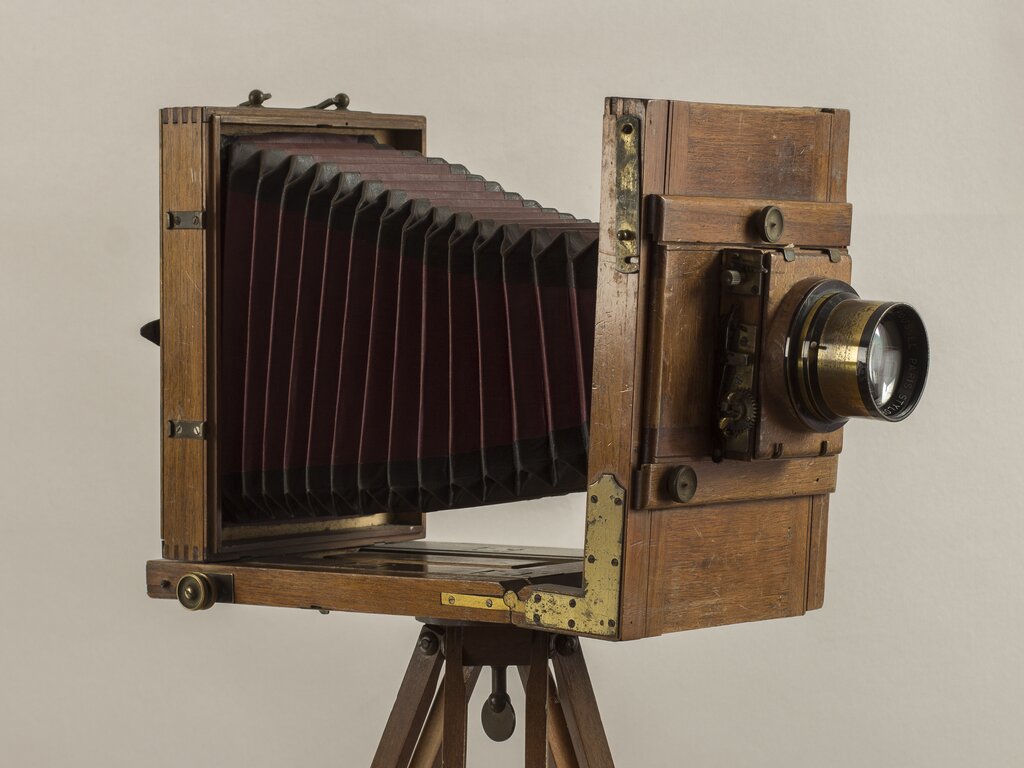
Format
noun
In photography, 'format' refers to the size and shape of the image sensor or film used to capture a picture.
Unlike the 35mm or digital cameras you might be used to, which use rolls of film or digital sensors, large format cameras use one sheet of film per photograph. This makes the process slower and more deliberate, forcing the photographer to carefully consider each shot.
A Matter of Size
The most significant difference between camera formats is the size of the negative or sensor. A standard 35mm film frame is 24x36 millimeters. Medium format is a step up, with common sizes like 6x6 centimeters. Large format starts at 4x5 inches—that's over 15 times the area of a 35mm frame.
This massive increase in surface area is the key to everything that makes large format special.
Here's a quick breakdown of how these formats stack up.
| Feature | 35mm | Medium Format | Large Format |
|---|---|---|---|
| Film Size | 24 x 36 mm | ~6 x 6 cm | 4 x 5 in or larger |
| Portability | High | Medium | Low |
| Cost per Shot | Low | Medium | High |
| Resolution | Good | Excellent | Exceptional |
| Control | Limited | Moderate | Maximum |
The Large Format Advantage
Why would anyone use a bulky, slow camera that takes one picture at a time? The answer comes down to two things: unparalleled image quality and creative control.
A larger negative captures vastly more information. This translates into images with incredible sharpness, smooth tonal transitions, and a level of detail that smaller formats can't match. You can create massive prints from a large format negative that remain crisp and clear, without any visible grain or digital noise.

Beyond resolution, large format cameras offer unique mechanical adjustments called movements. The lens and film holder can be tilted, shifted, raised, or swung independently of each other. This gives the photographer immense control over focus, depth of field, and perspective in ways that are impossible with most other cameras.
For example, an architectural photographer can point the camera up at a tall building and use movements to keep the vertical lines parallel, preventing the building from looking like it's falling backward. A landscape photographer can tilt the lens to keep an entire scene, from the flowers at their feet to the mountains in the distance, in sharp focus.
These movements aren't just for correction; they are powerful creative tools for manipulating how the viewer sees the world through your lens.
Common Applications
Given its strengths, large format photography excels in specific genres where detail and precision are paramount.
- Landscape: Many iconic landscape photographs were made with large format cameras. The ability to capture expansive scenes with exquisite detail makes it a perfect choice for nature and wilderness photography.
- Architecture: As mentioned, the ability to correct perspective distortion is crucial for architectural work. Photographers can ensure buildings are represented accurately, with straight, parallel lines.
- Portraiture: While less common today, large format portraiture creates images with a unique quality. The slow, methodical process often results in a more composed and thoughtful portrait, and the detail captured in the subject's face can be stunning.
- Still Life & Product Photography: For commercial work, the high resolution and control over focus are invaluable for creating clean, sharp images of products.
Shooting with a large format camera is a different experience. It's not about capturing fleeting moments, but about carefully crafting a single, perfect image. It demands patience and precision but offers rewards in quality and control that are hard to achieve any other way.
Ready to check your understanding?
What is the primary advantage of using a large format camera compared to a 35mm camera?
An architectural photographer needs to photograph a tall building from street level. Which unique feature of a large format camera allows them to keep the building's vertical lines parallel and prevent perspective distortion?
Now that you understand what large format is and why it's used, we can start to explore the camera itself and how its unique parts work together.