Mastering Language Acquisition
Understanding Language Acquisition
How We Learn Languages
Have you ever wondered how we actually learn a language? It's a complex process that goes far beyond memorizing vocabulary lists. Researchers have developed several theories to explain how our brains absorb new sounds, words, and grammar rules. These theories aren't just academic curiosities; they shape how languages are taught and learned effectively. Let's explore three influential ideas that explain the magic behind language acquisition.
Acquisition
noun
The process of learning a language naturally through immersion and communication, rather than through formal instruction or studying rules.
The Power of Conversation
One of the most practical theories is the Interaction Hypothesis. At its core, this idea suggests that we learn a language best when we're actively using it to communicate with others, especially native speakers. It's not just about listening to a lecture or reading a book; it's about the back-and-forth of a real conversation.
According to this theory, conversation isn't just practice. It's the engine of language acquisition.
When you're talking with someone and you don't understand something, what happens? You might ask for clarification. The other person might rephrase their sentence, speak more slowly, or use simpler words. This negotiation of meaning is crucial. It provides you with comprehensible input, or language that you can understand, tailored specifically to your level. These moments of clarification help you notice the gaps between what you want to say and what you can actually say, pushing you to learn new words and structures.
Think of it like learning to dance. You can watch videos all day, but you won't really get it until you have a partner and you're on the dance floor, trying to coordinate your steps together. The interaction forces you to learn.
Interaction is a crucial part of language teaching and learning.
The Brain's Language Blueprint
The Neurolinguistic Approach shifts the focus from external interactions to the internal workings of the brain. This perspective examines the physical, neurological processes that happen when we hear, understand, and produce language. It's less about how we should learn and more about what is physically happening in our heads.
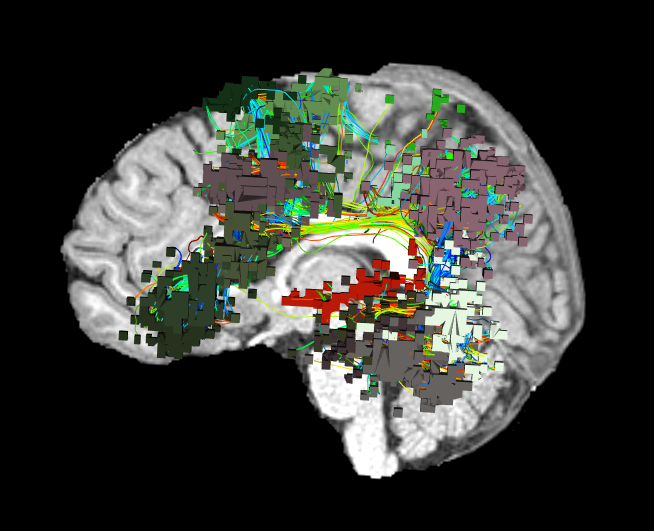
For example, researchers in this field study how different parts of the brain, like Broca's area and Wernicke's area, handle grammar and meaning. They explore how our brains build neural pathways to make language skills automatic. The goal is to understand how we can create learning environments that are compatible with our brain's natural tendencies.
This approach emphasizes that language isn't just an abstract system of rules. It's a biological function. Learning a language involves physically changing your brain, creating new connections and strengthening existing ones. It suggests that learning methods that mimic natural processes, like acquiring your first language, might be more effective because they align with our neurological wiring.
Becoming Part of the Community
Finally, the Growing Participator Approach (GPA) offers a very different perspective. It views language learning not as an academic exercise, but as a process of becoming a member of a new community. The primary goal isn't just fluency; it's meaningful participation in the culture.

In this model, learners are like apprentices. They start on the fringes of a community, observing and listening. They rely on a dedicated language helper from the community, not a formal teacher, who guides them through real-life situations. The focus is on understanding the culture through the language.
Learning begins with simple, high-frequency interactions, like buying food at a market or greeting neighbors. As the learner's ability grows, so does their level of participation in the community. Grammar and vocabulary are not taught through drills, but are absorbed through the need to understand and be understood in everyday life. This approach frames language as a tool for building relationships and integrating into a new social world.
| Approach | Core Idea | Learning Focus |
|---|---|---|
| Interaction Hypothesis | Language is learned through conversational back-and-forth. | Negotiating meaning & receiving tailored input. |
| Neurolinguistic Approach | Language learning physically changes the brain's wiring. | Aligning teaching with natural brain processes. |
| Growing Participator | Language is a tool for joining a new community. | Cultural immersion & meaningful participation. |
Now that we've looked at these different ways of understanding language acquisition, let's see how well you've grasped the key ideas.
Ready to test your knowledge?
According to the Interaction Hypothesis, what is the most crucial element for language learning?
A language learning program that focuses on creating exercises based on brain scans to strengthen neural pathways is most aligned with which theory?
Understanding these theories helps us see that there's no single magic bullet for learning a language. Instead, it's a rich process involving communication, biology, and community.