Mastering Kuji-kiri
Introduction to Kuji-kiri
The Nine Symbolic Cuts
In the world of Japanese esoteric Buddhism, some practices are deeply woven into the fabric of spiritual and martial traditions. One of the most intriguing is Kuji-kiri, a series of nine symbolic hand gestures accompanied by specific mantras.
Kuji-kiri
noun
A practice in Japanese esoteric Buddhism involving nine specific hand gestures (mudras) and corresponding spoken words (mantras), used for meditation, protection, and mental focus.
The name itself offers a clue to its purpose. "Kuji" (九字) means "nine syllables" or "nine characters," referring to the nine words of the mantra. "Kiri" (切り) means "to cut." Together, Kuji-kiri translates to "nine symbolic cuts." The practice isn't about physical cutting, but about metaphorically cutting through illusion, negative energy, or mental obstacles to achieve a state of clarity and awareness.
From Taoist Roots
Kuji-kiri's journey begins not in Japan, but in China. Its origins can be traced back to Taoist practices from as early as the 4th century. A Taoist text, the Baopuzi, contains a nine-syllable mantra used for protection when entering remote, wild areas. The chant was believed to ward off danger and evil spirits.
This protective charm eventually traveled to Japan along with other Buddhist and Taoist teachings. There, it was absorbed and transformed by Japanese esoteric traditions. It found a particularly strong home within Shugendō, a syncretic religion based in mountain asceticism, and Shingon Buddhism. Japanese practitioners expanded upon the original nine syllables, pairing each one with a unique hand gesture, or mudra, to deepen its spiritual power.
Beyond the Temple Walls
Within esoteric Buddhism, Kuji-kiri serves as a tool for spiritual development. The combination of gesture, mantra, and focused intent helps practitioners achieve a state of deep concentration, connecting the mind, body, and speech. It is a ritual that prepares the mind for more advanced meditative states.
Over time, Kuji-kiri's influence spread beyond monasteries and mountain retreats. It became intertwined with the mystic traditions of Japanese martial arts. Legends tell of samurai and ninja using Kuji-kiri to heighten their senses, instill courage before battle, and achieve a mental state of invincibility. This adoption cemented its place in Japanese folklore and popular culture as a symbol of mystical power.
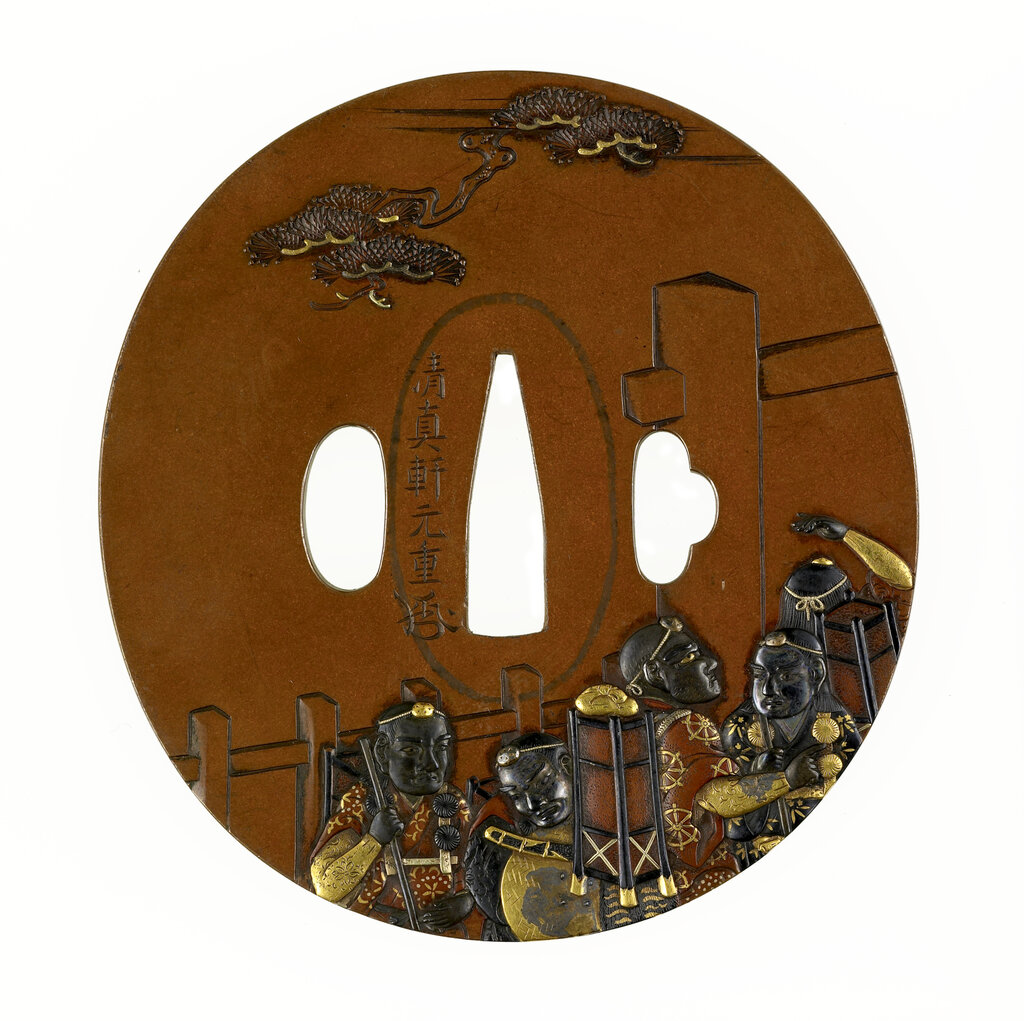
Ultimately, Kuji-kiri is less about wielding external power and more about cultivating an internal state of focus, discipline, and spiritual clarity.
Let's review these foundational concepts.
What is the literal translation of "Kuji-kiri"?
The original nine-syllable mantra that formed the basis of Kuji-kiri originated from which tradition?
This practice represents a fascinating blend of history, religion, and martial philosophy, illustrating how spiritual tools can find meaning in diverse aspects of culture.