Mastering Kids Toy Product Education
Understanding Toy Product Features
Start with the Manual
When you open a complex toy, it's tempting to start tinkering right away. But the first step is always the product manual. Think of it less as a set of rules and more as a guide to the toy's full potential.
Don't just skim it. Look for a section often called “What's in the Box?” or “Parts List.” This is your inventory. It gives you an official name for every single piece, which is crucial for understanding how they all fit together. A manual will show you not just what a button does, but why it was designed that way.
The manual is your treasure map. It reveals all the hidden features and play possibilities the designers intended.
Pay close attention to diagrams, especially exploded views that show how parts connect. These visuals are often more helpful than long paragraphs of text. They clarify the relationship between different components and help you build a mental model of the toy's mechanics.
Identify the Key Pieces
Once you've reviewed the manual, it's time to get hands-on. Open the box and lay out every single component on a flat surface. Use the parts list from the manual as a checklist to ensure nothing is missing.
This physical inventory check is a vital step. It transforms abstract names from a list into tangible objects you can see and touch. As you identify each piece, you begin to understand its role.
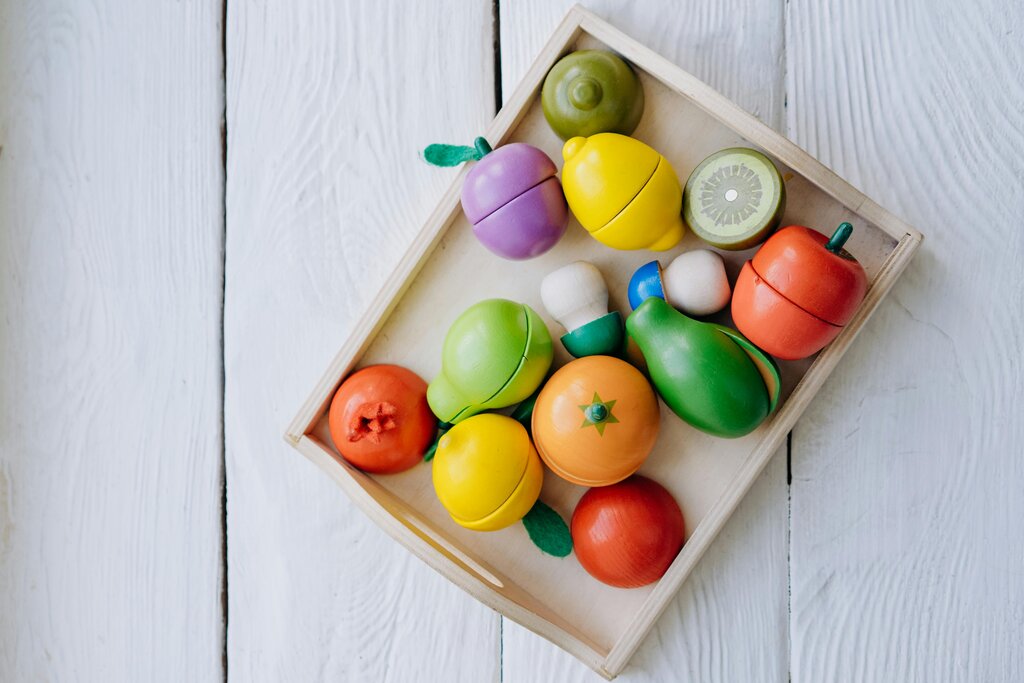
Try grouping the components into logical categories. For example:
- Main structures: The core body or frame of the toy.
- Accessories: Items that add new functions or change the play pattern.
- Connectors: Small pieces like screws, pegs, or clips that hold things together.
- Power source: Batteries, charging cables, or AC adapters.
Organizing the parts this way makes the assembly process less intimidating and helps clarify how the toy operates as a complete system.
Understand the Intended Use
With the parts identified, the final step is to connect each component to its function. The goal is to understand the intended play experience. A spinning wheel isn't just a spinning wheel; it might be a selector for a game mode or a core part of a cause-and-effect mechanism designed to teach a child about physics.
Follow the manual's instructions to assemble the toy and test each feature one by one. As you press buttons, move levers, and attach accessories, ask yourself what the purpose is. Is this feature for movement? For sound? Is it meant to teach a concept like colors or numbers? This is where you connect the 'what' (the component) with the 'why' (its purpose).
Using everyday toys such as CONNETIX makes it more relatable to children and provides a tangible, hands-on learning experience.
Thinking from a child's perspective is key. A feature that seems simple to an adult might be a source of wonder and discovery for a child. Understanding this intended use is the foundation for being able to explain the toy's value and function clearly to others.
What is the recommended first step to take after unboxing a complex toy?
What is the primary purpose of conducting a physical inventory check against the manual's parts list?
By following these steps, you can deconstruct any complex toy and build a solid understanding of its design and purpose.