Mastering Kanji
Intermediate Kanji Expansion
Beyond the Basics
You've built a solid foundation with basic kanji. Now it's time to expand. This next step involves learning around 300 new characters, pushing you firmly into intermediate territory. This is the level where your ability to read everyday Japanese—from news articles to social media—really starts to take off.
At the N4 level, you should aim to learn around 300 kanji.
Memorizing 300 new characters might sound daunting, but the key is strategy. You're no longer just learning individual symbols. You're learning how they combine and interact to create a rich vocabulary. The most important concept to master at this stage is the difference between a kanji's readings.
Two Readings, One Character
Most kanji have at least two types of readings: on'yomi (音読み) and kun'yomi (訓読み). Understanding the difference is crucial for knowing how to pronounce a character in different contexts.
On'yomi, or the "sound reading," is the Japanese approximation of the original Chinese pronunciation. It's typically used when a kanji is part of a compound word with other kanji. Think of it as the kanji's formal, academic sound.
Kun'yomi, the "meaning reading," is the native Japanese pronunciation. This reading is usually used when a kanji stands alone as a word, often with okurigana (hiragana endings) attached. This is the kanji's everyday, standalone voice.
| Kanji | Reading Type | Pronunciation | Word Example | Meaning |
|---|---|---|---|---|
| 食 | kun'yomi | たべる (taberu) | 食べる | To eat |
| 食 | on'yomi | しょく (shoku) | 食事 (shokuji) | Meal |
| 水 | kun'yomi | みず (mizu) | 水 | Water |
| 水 | on'yomi | すい (sui) | 水道 (suidō) | Water supply |
Notice how 食 is read as taberu when it's a verb on its own, but as shoku when paired with 事 to mean "meal." This pattern is your guide. When you see a string of kanji together, you'll most likely use their on'yomi. When you see a single kanji, often with hiragana, you'll use its kun'yomi.
Building with Compounds
The real power of intermediate kanji comes from learning compounds (jukugo, 熟語). Instead of learning one meaning for one character, you learn how two characters create a new, often related, concept. This is far more efficient than memorizing vocabulary lists of standalone words.
Let's take the character for electricity, 電 (den). By itself, it doesn't mean much in modern Japanese. But combine it with others, and its meaning blossoms.
By learning just one new kanji, you can unlock the meaning of four or more compound words. This web of connections is what makes learning intermediate kanji so rewarding. The goal isn't just to add characters to your collection, but to understand the system that connects them.
When you encounter a new compound word, try to break it down. Guess its meaning based on the individual kanji before you look it up. This active learning will help cement the characters in your memory.
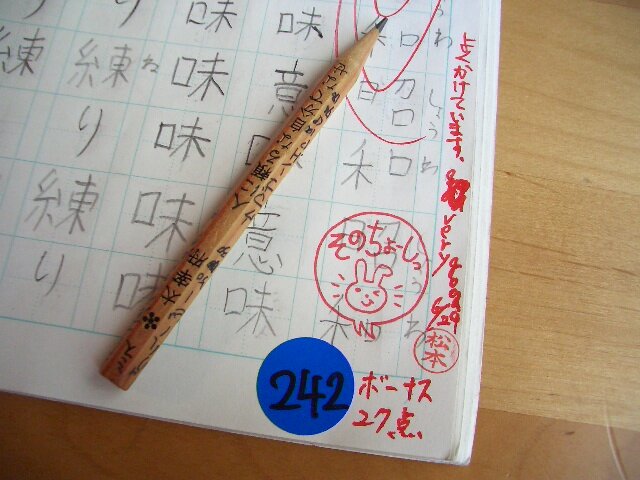
As you continue your studies, you'll find that some kanji are used far more frequently than others. Focus on these high-utility characters first. Learning characters like 会 (meet), 事 (thing), and 前 (before) will give you the biggest boost in reading comprehension early on.
Ready to test your understanding of these new concepts?
What is the term for the native Japanese reading of a kanji, often used when the character stands alone or has hiragana endings?
When you see a word composed of two or more kanji together, like '電話' (denwa - telephone), which type of reading are you most likely to use?
Keep practicing, and soon you'll be reading and understanding more Japanese than you thought possible.