Mastering Kali Linux for Security Auditing
Introduction to Kali Linux
What is Kali Linux?
Kali Linux is a special-purpose operating system, like Windows or macOS. But instead of being designed for everyday tasks like writing emails or browsing the web, it's built specifically for cybersecurity. Think of it as a digital toolkit for security professionals.
It comes packed with hundreds of tools used to find and exploit security vulnerabilities. Its main job is to help people test the defenses of computer systems.
penetration testing
noun
A simulated cyber attack against a computer system to check for exploitable vulnerabilities. Often called 'pen testing' or 'ethical hacking'.
Professionals use Kali Linux for penetration testing and security auditing. They act like attackers to find weak spots before real attackers do. This proactive approach helps organizations strengthen their security.
A Brief History
Kali Linux wasn't built from scratch. It evolved from earlier projects focused on security. Its story begins with a distribution called Whoppix, which then led to WHAX, and later, BackTrack.
BackTrack was very popular among security enthusiasts and professionals. In 2013, the team behind BackTrack rebuilt it from the ground up, using Debian as its foundation. This new, more stable, and polished version was named Kali Linux.
This change to a Debian base made Kali more reliable and easier to maintain. Since then, it has become the industry standard for penetration testing distributions.
The Hacker's Toolkit
The main draw of Kali Linux is its massive collection of pre-installed security tools. These tools cover a wide range of tasks, saving security professionals the time and effort of finding and configuring them individually.
Kali Linux offers over 600 pre-installed tools, including Wireshark, Nmap, Metasploit Framework, and Aircrack-ng, catering to various information security tasks such as penetration testing, security research, computer forensics, and reverse engineering.
These tools are organized into categories, making it easy to find the right one for the job. Here are a few examples of what you can do:
| Category | Purpose |
|---|---|
| Information Gathering | Collect data about a target system, like open ports or running services. |
| Vulnerability Analysis | Scan for known weaknesses and security flaws. |
| Web Application Analysis | Test websites and web apps for common vulnerabilities. |
| Password Attacks | Attempt to crack passwords using various techniques. |
| Wireless Attacks | Test the security of Wi-Fi networks. |
| Forensics | Recover and analyze data from digital devices. |
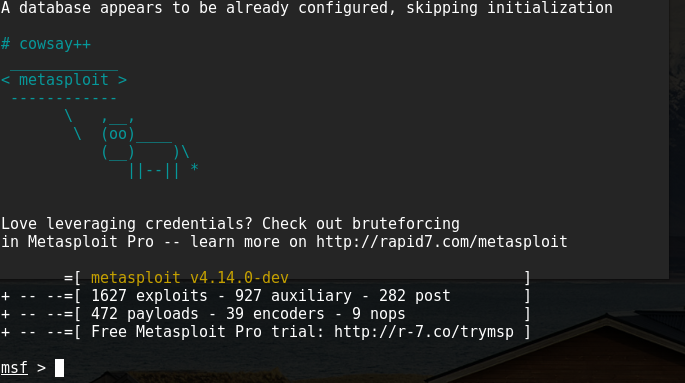
This organized, comprehensive toolkit is why Kali is so important. It provides a standardized environment that security professionals can rely on, whether they are working alone or as part of a team.
Ready to check your understanding?
What is the primary purpose of the Kali Linux operating system?
Which operating system distribution serves as the foundation for Kali Linux, making it more stable and reliable?
Kali Linux is a powerful and essential operating system in the world of cybersecurity, providing the tools needed to ethically test and secure our digital world.