Mastering Jono Dry's Hyperrealism
Introduction to Hyperrealism
More Real Than Real
Imagine looking at a painting so detailed you mistake it for a high-resolution photograph. That's the power of Hyperrealism. It's an art movement where artists create drawings, paintings, and sculptures that look incredibly realistic, almost as if you could reach out and touch the subject.
But Hyperrealism isn't just about technical skill or making a perfect copy. It's about creating an illusion of reality that can feel more intense or defined than what we see every day. Artists often use photographs as a reference, but they add their own layer of narrative, emotion, and detail that goes beyond what a camera can capture.
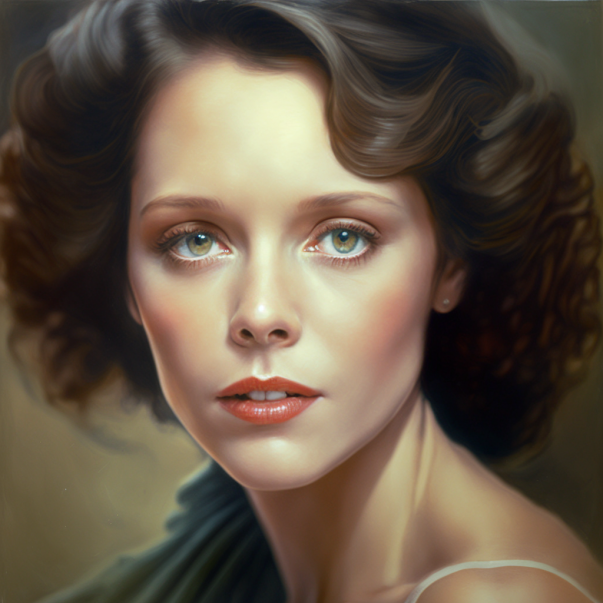
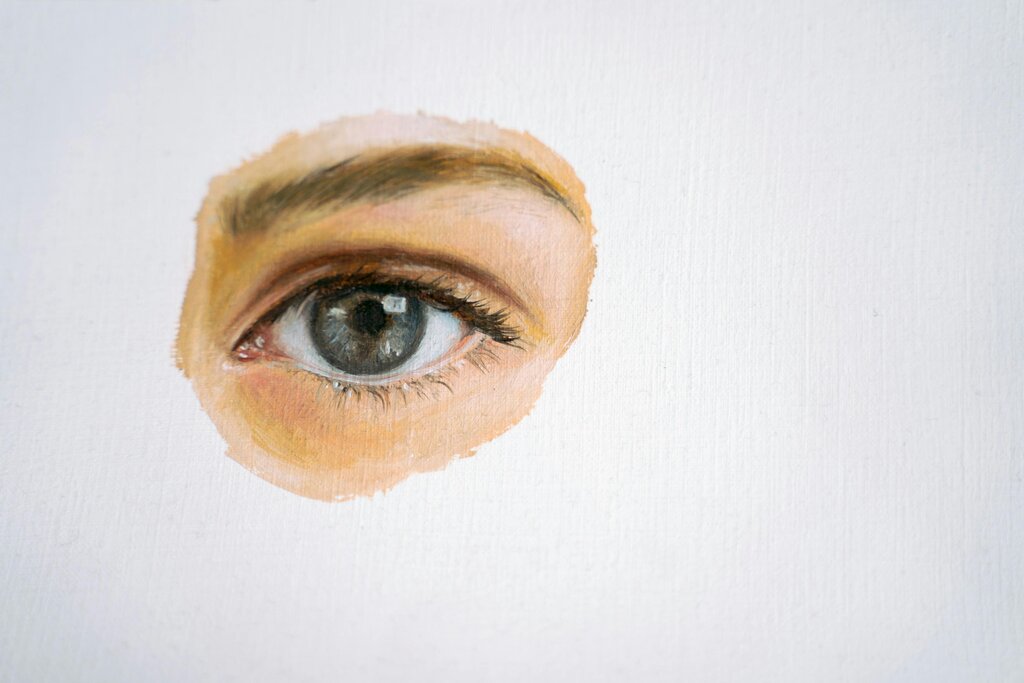
The details are everything. Hyperrealist artists meticulously render every texture, reflection, and shadow. This precision creates a sense of clarity and sharpness that can be almost unsettling. You might see pores on skin, fine hairs on an arm, or the subtle way light reflects off a water droplet. These details, often overlooked by our own eyes, are brought to the forefront, creating a new, heightened version of reality.
Key characteristics of Hyperrealism include meticulous attention to detail, a high-gloss finish that resembles photography, and a subject matter that is often mundane but rendered with extraordinary precision.
A Brief History
Hyperrealism emerged in the late 1960s and early 1970s, growing out of a related movement called Photorealism. At the time, abstract art was dominant, and many artists felt that representation had been lost. Photorealists began using cameras and photographs to create paintings that were objective and detached, simply reproducing the image.
Hyperrealism took this a step further. While still using photography as a source, hyperrealist artists weren't afraid to inject a bit of soul into their work. They focused more on creating narrative and conveying emotion, subtly manipulating the image to build a world that felt both familiar and strangely new. Instead of just copying a photo, they used it as a starting point to build a more compelling reality.
Hyperrealism Today
In a world saturated with digital images and filters, Hyperrealism asks us to slow down and look closely. It challenges our perception of what is real and what is artificial. Is a painting that looks like a photo more or less real than the photo itself? The movement continues to thrive, with artists using modern tools and techniques to push the boundaries of realism even further.
The impact of Hyperrealism is a testament to the enduring power of skill and patience in art. It proves that even in our fast-paced digital age, there is something deeply captivating about an artwork created with painstaking, human precision.
Now, let's test your understanding of these core concepts.
What is the primary goal of Hyperrealism?
How does Hyperrealism differ from its predecessor, Photorealism?
By blurring the line between painting and photography, Hyperrealism invites us to question how we see the world and what it means to create a true representation of it.