Mastering JAUS for Robotics Integration
Introduction to JAUS
The Language of Unmanned Systems
Imagine a mission where a ground robot, an aerial drone, and an underwater vehicle need to work together. If each is built by a different company, they might not be able to communicate. It's like trying to have a conversation where everyone speaks a different language. This is the problem the Joint Architecture for Unmanned Systems, or JAUS, was created to solve.
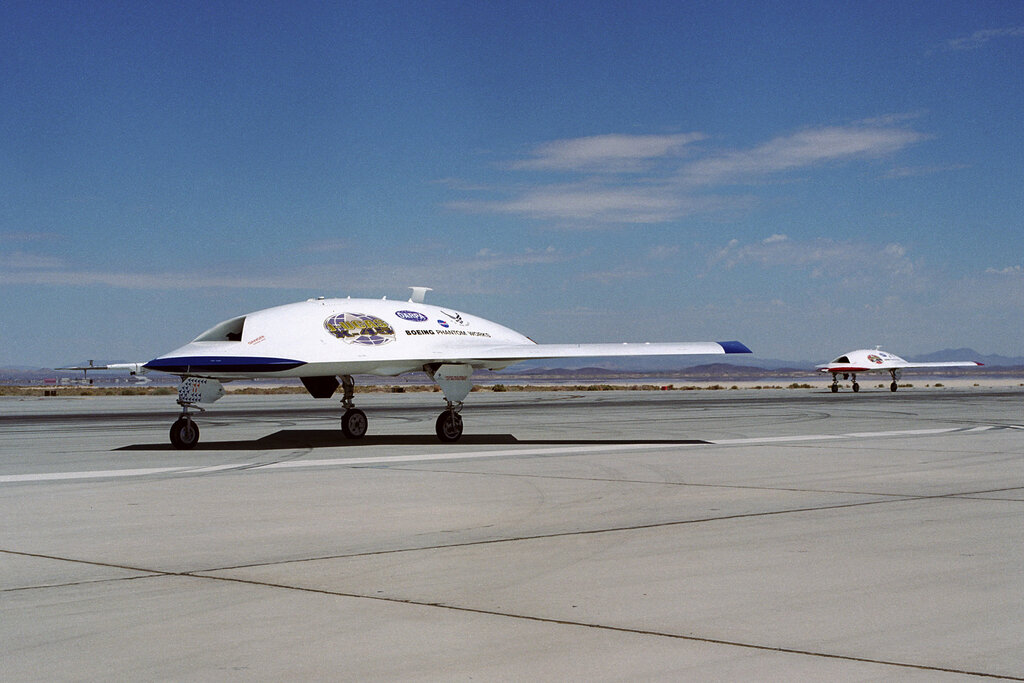
Developed by the U.S. Department of Defense (DoD), JAUS is an open architecture, a set of standards for messages and component behaviors in unmanned systems. It’s not a piece of software, but rather a blueprint that allows different systems to understand each other, regardless of who made them.
The main goal of JAUS is interoperability: enabling unmanned systems from different manufacturers to work together seamlessly on a mission.
The initiative began in the late 1980s as an effort by the U.S. Army to standardize its growing fleet of robotic ground vehicles. Over time, its scope expanded to include air, sea, and undersea systems, evolving into a comprehensive standard for the entire DoD and its allies. The standard is now managed by the Society of Automotive Engineers (SAE) Aerospace, under the AS-4 JAUS committee.
Core Principles
JAUS is built on a few key principles that make it flexible and future-proof. These ideas ensure that the architecture can adapt to new hardware, changing missions, and evolving technologies without a complete overhaul.
First is platform independence. This means that a JAUS-compliant component doesn't care about the hardware it's running on. A navigation component, for example, could be used on a small scout drone or a large autonomous truck. It's designed to be separate from the underlying operating system, processor, and physical structure of the vehicle.
Next is mission isolation. Unmanned systems often perform multiple tasks at once. Mission isolation ensures that these different tasks, or "missions," don't interfere with each other. A component responsible for operating a sensor payload shouldn't be able to disrupt the component that's driving the vehicle. This separation is vital for creating reliable and safe systems.
Finally, there's technology independence. JAUS focuses on defining the content and meaning of messages, not how they are sent. It doesn't specify whether components must communicate over Wi-Fi, satellite link, or a physical cable. This allows system designers to choose the best communication method for their needs and easily adopt new technologies as they become available.
By following these principles, JAUS provides a common ground for developers and manufacturers. It enables complex systems to be built from components made by different vendors, encouraging innovation and reducing costs. Instead of reinventing the wheel for every new platform, teams can use standardized, interchangeable parts.