Mastering Japanese Business Etiquette
Foundations of Japanese Business Culture
The Unseen Foundations
To understand business in Japan, you need to look past the surface-level etiquette of exchanging business cards or bowing. The entire professional landscape is built on a few deeply ingrained cultural values. These principles guide decisions, shape relationships, and define what it means to work together.
Japanese language and culture are deeply intertwined with concepts of respect, hierarchy, and social harmony.
Without grasping these core ideas, navigating the Japanese business world can be confusing. Let's explore the three pillars that support it all: harmony, respect, and the group.
Harmony is Everything
The most important concept is wa (和), which translates to harmony. In a business context, wa is the principle of maintaining a peaceful and unified environment. The goal is to ensure smooth interpersonal relationships and avoid confrontation at all costs. Openly disagreeing with a colleague, especially a superior, is rare because it would disrupt the group's harmony.
Wa (和)
noun
A Japanese cultural concept that emphasizes the importance of a peaceful unity and conformity within a social group, where members prefer the continuation of a harmonious community over their personal interests.
This doesn't mean differing opinions don't exist. Instead, they are handled indirectly and with great care, often through informal discussions before a formal meeting. The priority is always the collective good and the smooth functioning of the team, not individual expression. This value underpins almost every interaction in a Japanese workplace.
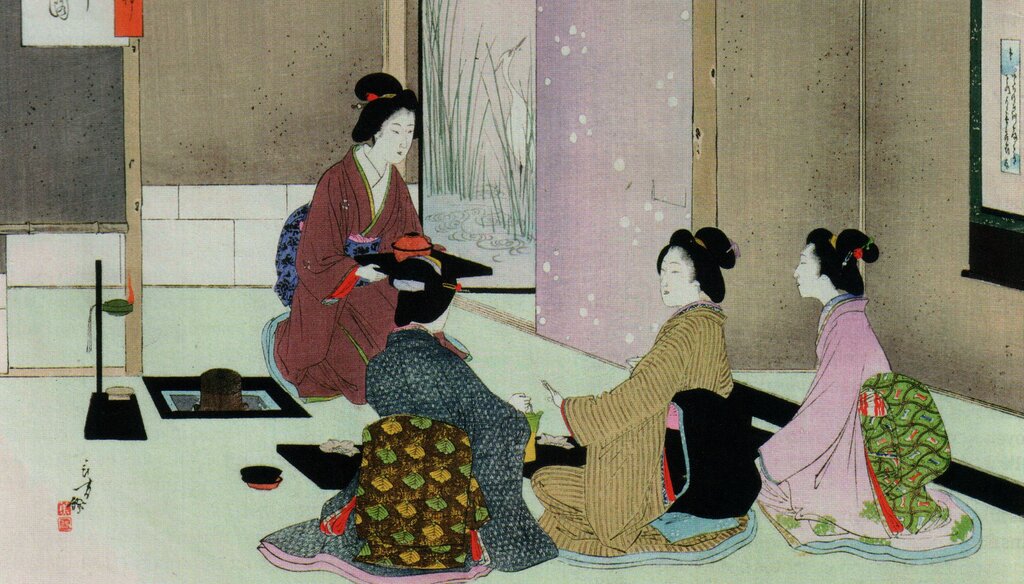
The Language of Respect
Respect is not just a feeling in Japanese culture; it's built directly into the language. This system of honorific speech is called keigo (敬語), and it's a fundamental part of daily communication. Keigo is more than just saying "please" and "thank you." It's a complex set of grammatical rules for showing deference and acknowledging social standing.
Keigo (敬語)
noun
The system of honorific and polite speech in the Japanese language. It includes specific vocabulary and grammatical forms used to express different levels of respect and formality based on social hierarchy, age, and relationship.
There are different forms of keigo for speaking about oneself humbly, elevating others, and general politeness. Using the correct form is crucial in a business setting. It shows that you understand your place within the group's hierarchy and respect the positions of others. Failing to use keigo appropriately can be seen as rude or even arrogant, immediately disrupting the group's wa.
Keigo is far more than a language skill; it is a window into Japanese culture, embodying respect, humility, and the importance of social harmony.
The Group Comes First
The concepts of harmony and respect lead directly to the third pillar: group orientation. Japanese society is often described as collectivistic, meaning the needs and goals of the group are prioritized over the desires of the individual. This is highly visible in the workplace.
Success is seen as a team effort, and public praise is often given to the entire department rather than to a single person. Similarly, responsibility for failure is shared. This fosters a strong sense of belonging and loyalty to the company, which is viewed as an extension of one's own identity.

In this environment, decision-making is often a collective process. Before a final decision is made, input is gathered from all levels in a process known as nemawashi (根回し), or "root-binding." This ensures everyone feels included and is on board, preserving the group's harmony. The individual's role is to contribute to the group's success and uphold its reputation.
In a Japanese business meeting, if an employee disagrees with a proposal from their superior, what is the most likely way they would express their concern?
What is the primary function of keigo (敬語) in the Japanese workplace?