Mastering Japanese and Spanish Simultaneously
Understanding Language Learning Fundamentals
How Your Brain Learns a Language
Learning a new language is like building a new network inside your brain. Every time you learn a word or a grammar rule, you're creating and strengthening connections between neurons. This ability for the brain to reorganize itself is called neuroplasticity, and it's at the heart of all learning.
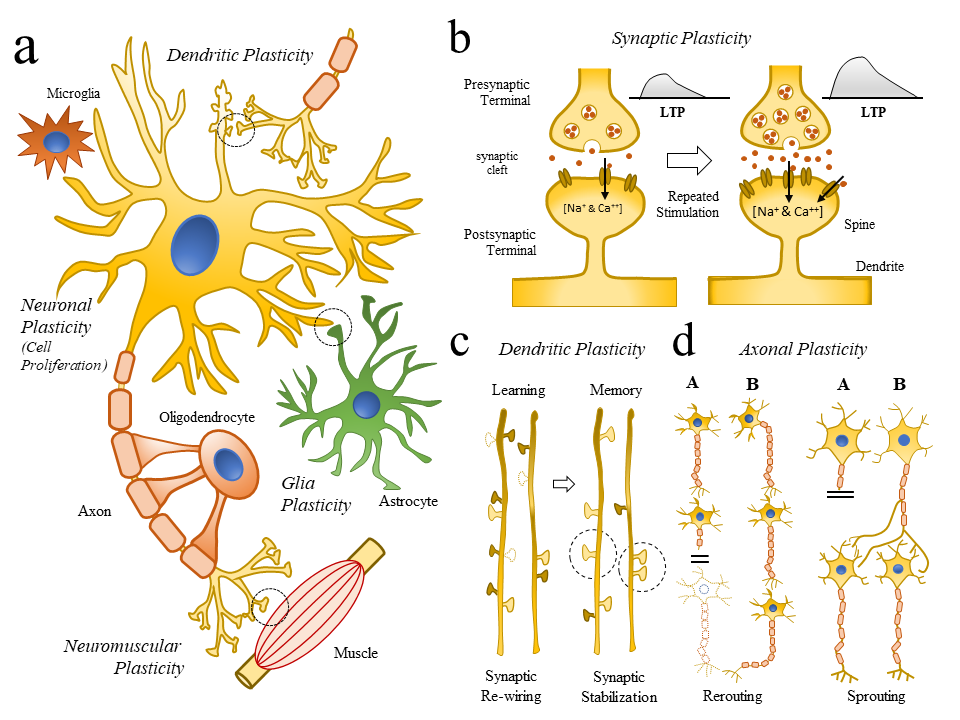
Children seem to soak up languages effortlessly through a process of implicit learning. They're immersed in a language and absorb its patterns without formal instruction. As an adult, you'll rely more on explicit learning, which involves consciously studying rules and vocabulary. Your brain will analyze patterns, make logical connections, and store this new information.
While you might not learn with the same unconscious ease as a child, your adult brain has its own advantages. You have a fully developed capacity for abstract thought and a lifetime of learning experiences, which helps you understand grammar concepts and make connections between your native language and your new one.
Making Memories Stick
Just learning something once isn't enough; you have to remember it. The key to moving information from short-term to long-term memory is strategic review. Two powerful concepts from cognitive science can help with this: active recall and spaced repetition.
Active recall means pulling information out of your brain. Instead of passively re-reading a list of vocabulary words, you test yourself. For example, you see the English word "cat" and try to remember its Spanish equivalent, gato. This act of retrieval strengthens the neural pathway, making the memory more durable.
Testing yourself isn't just for assessment. It's one of the most effective ways to learn.
Spaced repetition is about when you practice active recall. Instead of cramming, you review information at increasing intervals. You might review a new word after one day, then three days, then a week, and so on. This signals to your brain that the information is important and should be kept for the long haul. This process interrupts the natural process of forgetting.
The Power of Immersion
Immersion means surrounding yourself with a language so that it becomes part of your daily environment. This doesn't necessarily mean moving to another country. It can involve listening to music, watching movies, changing your phone's language settings, or finding conversation partners.
Why is this so effective? Immersion turns passive knowledge into active skill. It forces your brain to stop translating and start thinking in the new language. You begin to absorb the rhythm, slang, and cultural context that textbooks often miss. It connects the language to real-life experiences, which creates stronger, more meaningful memories.
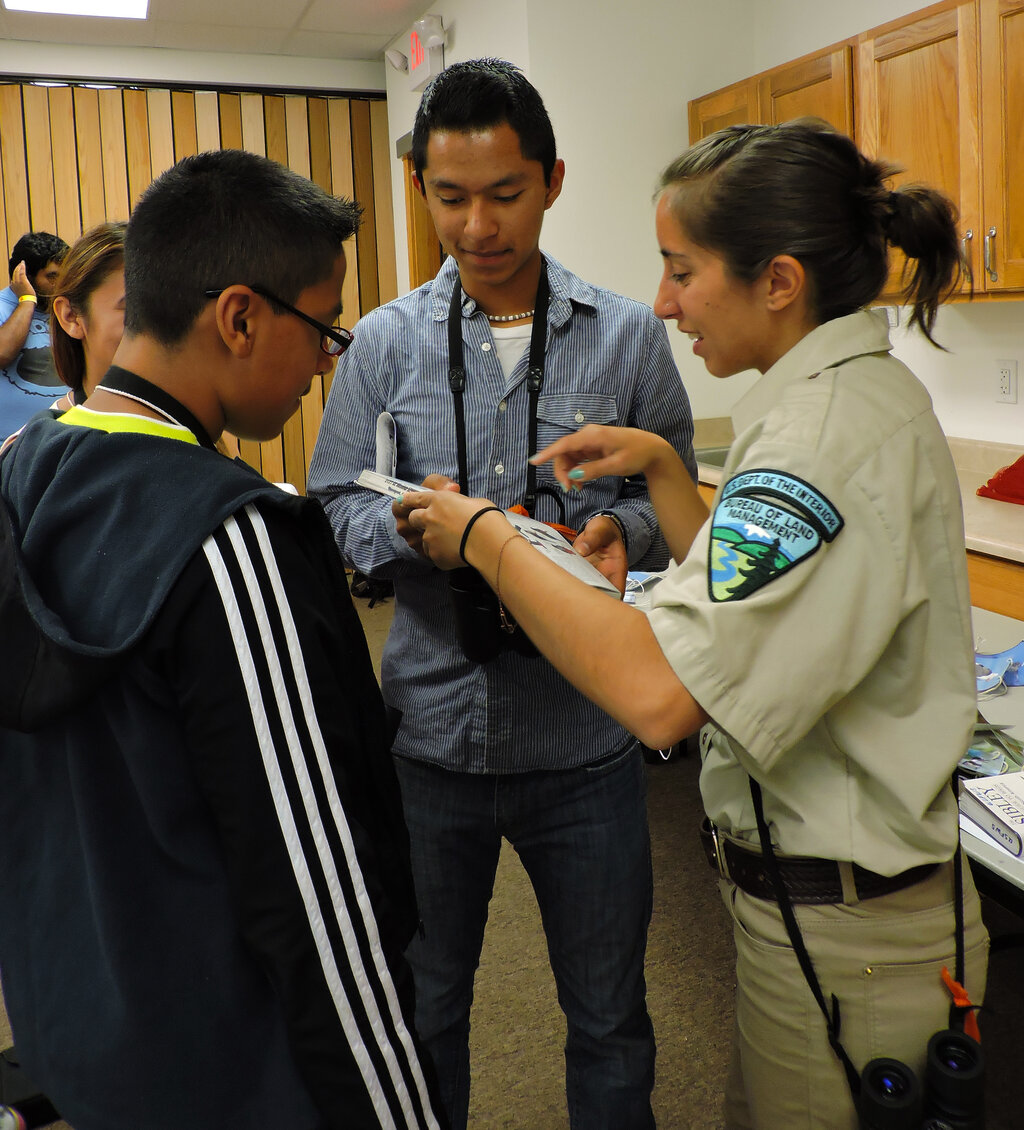
Immersion is one of the most effective strategies for language acquisition.
Juggling More Than One Language
Learning two languages at once presents a unique set of challenges. The main one is cognitive interference, where the languages get mixed up in your head. You might use a Spanish word in a Japanese sentence by accident, especially if the languages are similar or if you're a beginner in both.
This is a normal part of the process. Your brain is working hard to build two separate neural networks and sometimes the wires get crossed. The key is to help your brain keep the languages distinct. One way to do this is through context-dependent learning. For example, you might study Spanish in the morning at your desk and Japanese in the evening on the couch. Different contexts can help your brain compartmentalize the information.
While challenging, learning multiple languages can make your brain more flexible and resilient.
The good news is that learning a second language often makes learning a third one easier. You develop better learning habits and a deeper understanding of how languages are structured in general. Your brain becomes more adept at creating those new neural pathways.
These core principles form the foundation for any successful language learning journey. Understanding how your brain works allows you to learn smarter, not just harder.