Mastering ISO 9001 Audits
Introduction to ISO 9001
The What and Why of ISO 9001
Imagine buying a product, and it works perfectly every time. Or receiving a service that consistently meets your expectations. That reliability doesn't happen by accident. It's often the result of a Quality Management System (QMS), and the world's most recognized framework for a QMS is ISO 9001.
At its core, ISO 9001 is an international standard that sets out the criteria for a quality management system. It's not a set of laws, but rather a collection of best practices for how an organization can consistently provide products and services that meet customer and regulatory requirements. Think of it as a blueprint for building quality into your operations from the ground up.
A Brief History of Quality
The idea of quality standards isn't new. It has its roots in military procurement standards from World War II, where consistency and reliability were matters of life and death. These evolved into national standards in various countries.
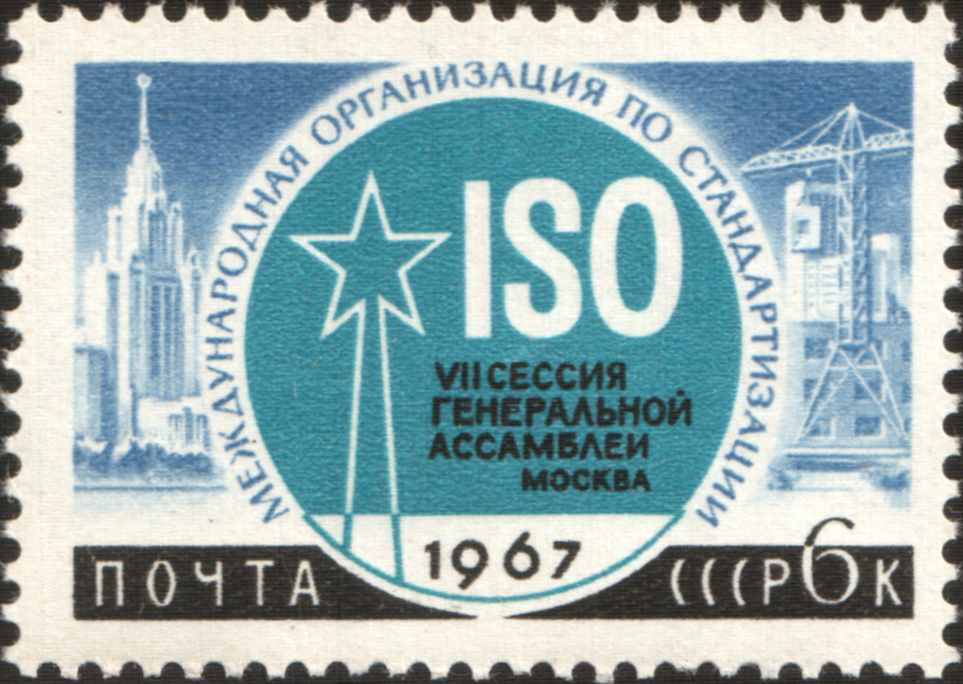
To create a single, globally accepted standard, the International Organization for Standardization (ISO) published the first version of ISO 9001 in 1987. Since then, it has been periodically updated to reflect the changing business world, with major revisions in 1994, 2000, 2008, and most recently in 2015.
The latest version, ISO 9001:2015, places a greater emphasis on risk-based thinking, leadership engagement, and understanding the context of the organization. It's designed to be more flexible and less prescriptive than its predecessors, making it applicable to any organization, regardless of its size or what it does.
Core Principles of Quality
ISO 9001 is built on seven fundamental principles of quality management. These aren't just abstract ideas; they are the guiding philosophies that shape the entire standard.
| Principle | Description |
|---|---|
| Customer Focus | The primary focus is to meet and exceed customer expectations. |
| Leadership | Leaders at all levels establish unity of purpose and create conditions for success. |
| Engagement of People | Competent, empowered, and engaged people at all levels are essential to creating value. |
| Process Approach | Consistent and predictable results are achieved more effectively when activities are managed as interrelated processes. |
| Improvement | Successful organizations have an ongoing focus on improvement. |
| Evidence-based Decision Making | Decisions based on the analysis and evaluation of data are more likely to produce desired results. |
| Relationship Management | For sustained success, an organization manages its relationships with interested parties, such as suppliers. |
Internalizing these principles is the first step toward building a culture of quality. They shift the focus from simply inspecting finished products to building quality into every step of the process.
The primary benefit of ISO 9001 is not the certificate on the wall, but the powerful business improvements that result from a well-designed Quality Management System.
The Structure of the Standard
The ISO 9001:2015 standard follows a high-level structure known as Annex SL. This common framework for all ISO management system standards makes it easier for organizations to integrate multiple systems, such as quality, environmental, and health and safety.
The standard is organized into 10 sections, or clauses. The first three are introductory, while the last seven contain the actual requirements for the Quality Management System. These clauses follow a Plan-Do-Check-Act (PDCA) cycle, a method for continuous improvement.
By implementing this structure, organizations can ensure they cover all the critical aspects of their operations, from understanding their market and customer needs to planning, execution, monitoring, and continuous improvement. This systematic approach leads to increased efficiency, reduced waste, and, most importantly, higher customer satisfaction.
Now, let's test your understanding of the fundamentals of ISO 9001.
What is the primary purpose of the ISO 9001 standard?
The structure of ISO 9001:2015, which is organized into 10 clauses, is based on which continuous improvement cycle?
Understanding the principles and structure of ISO 9001 is the foundation for building a system that drives real business value. It's a framework for excellence, not just a set of rules.