Mastering Ions and the Periodic Table
Valence Patterns
The Outer Shell Rules Everything
Atoms interact using their outermost electrons, known as [{
Fortunately, the periodic table gives us a simple shortcut. For the main group elements (Groups 1, 2, and 13-18), the group number tells you the number of valence electrons. For groups 13 through 18, simply drop the '1'. So, an element in Group 17 has 7 valence electrons.
| Group Number | Valence Electrons |
|---|---|
| 1 | 1 |
| 2 | 2 |
| 13 | 3 |
| 14 | 4 |
| 15 | 5 |
| 16 | 6 |
| 17 | 7 |
| 18 | 8 (or 2 for He) |
The Quest for Stability
Atoms are most stable when their outermost electron shell is completely full. Think of it like collecting a full set of trading cards. Having an incomplete set is unsettling; a full set is satisfying and stable. For most atoms, this stable state means having eight valence electrons, a configuration that mimics the noble gases like Neon and Argon.
This drive to achieve a full outer shell is called the [{
Metals Lose, Non-metals Gain
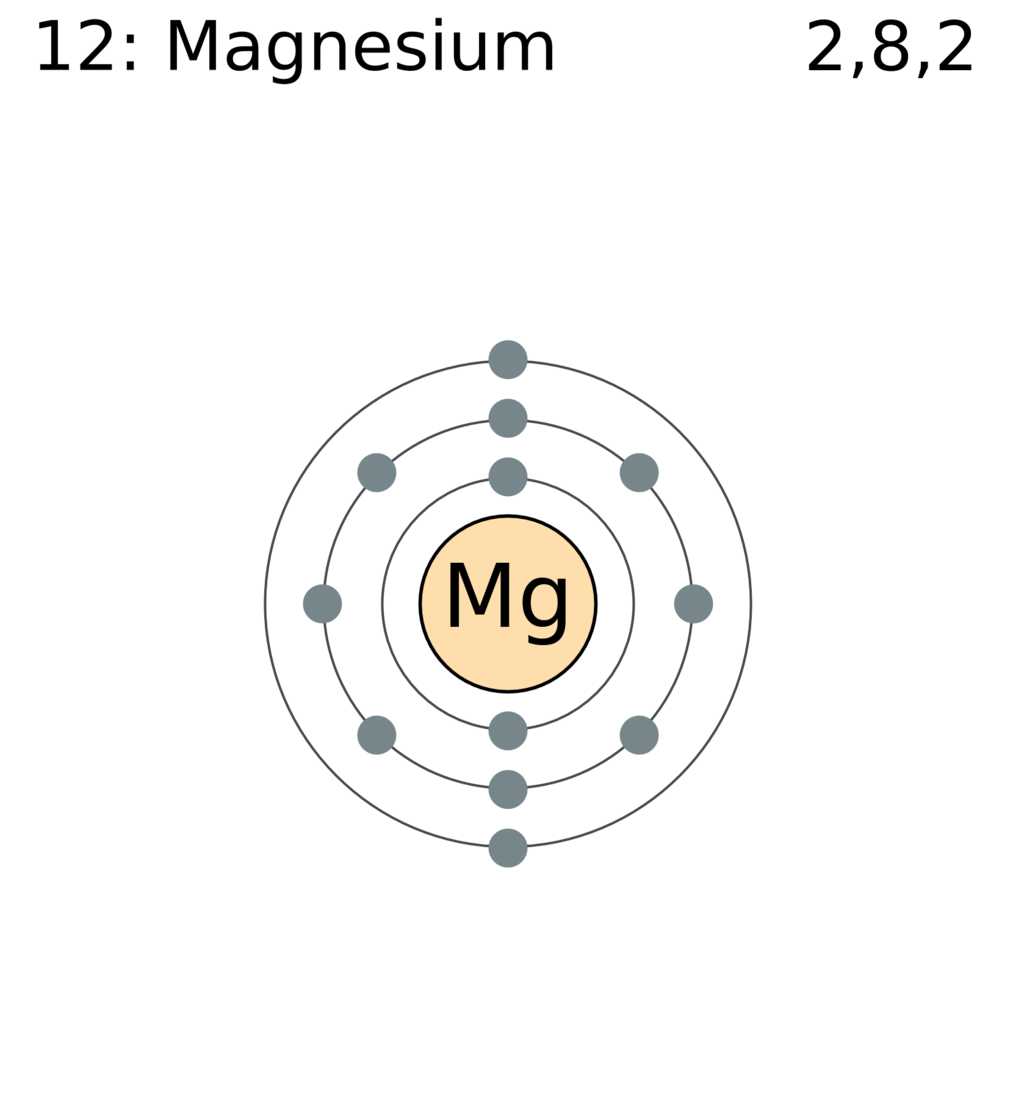
Metals, found on the left side of the periodic table, have few valence electrons. It's far easier for a sodium atom (Group 1) to lose its single valence electron than to gain seven more. When an atom loses one or more negatively charged electrons, it is left with more positive protons than electrons. This gives it an overall positive charge, turning it into a [{
Conversely, non-metals on the right side of the table are close to having a full outer shell. Oxygen (Group 16) has six valence electrons. It's much more energy-efficient for it to gain two electrons to complete its octet than to lose all six. When an atom gains electrons, it has more negative charges than positive ones, resulting in a negatively charged ion called an anion.
This pattern allows us to predict the charges of ions for the main group elements with high accuracy. An element's position on the table tells you its likely behaviour. A Group 2 element like Calcium will always lose two electrons to form a Ca²⁺ ion. A Group 17 element like Chlorine will always gain one electron to form a Cl⁻ ion.
Metals form positive ions (cations) by losing electrons. Non-metals form negative ions (anions) by gaining electrons.
Now, let's test your understanding of these patterns.
The electrons involved in forming chemical bonds, located in the outermost shell of an atom, are known as...
An element is in Group 15 of the periodic table. How many valence electrons does it have?
Knowing these predictable charges is the first step toward understanding how elements combine to form ionic compounds.