Mastering Introverted Strengths and Dynamics
Neurobiology of Introversion
The Brain's Reward System
Why do some people crave bustling parties while others prefer a quiet evening with a book? The answer isn't just about personality; it's rooted in our brain's chemistry. A key player is dopamine, a neurotransmitter often called the "feel-good" chemical. It's released when we experience something rewarding, motivating us to seek it out again. This is the foundation of the brain's reward circuit.
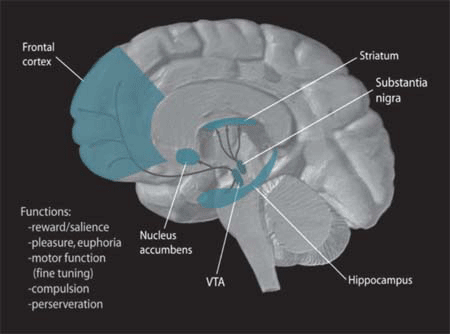
Extroverted brains tend to have a less sensitive dopamine response. They require more external stimulation, like social events or thrilling activities, to get that rewarding dopamine buzz. In contrast, introverted brains are highly sensitive to dopamine. Even a small amount can be enough, and too much can lead to overstimulation. This isn't a flaw; it's a different operating system. An introvert's brain doesn't need to chase high-dopamine experiences because it's already running at a more optimal level in lower-stimulation environments. This difference in is a core reason why an extrovert's idea of fun can feel like an introvert's personal nightmare.
Two Paths for Processing
When our brains process stimuli, the information can take different routes. Extroverts tend to favor a shorter, faster pathway that processes external sensory data. Think sights, sounds, and tastes. This pathway is heavily reliant on dopamine and provides a quick, rewarding feedback loop for engaging with the outside world.
Introverts, however, often rely on a different, longer pathway dominated by a neurotransmitter called acetylcholine. This route is more complex, running through brain areas associated with memory, planning, and self-reflection. When an introvert processes information, they're not just registering it; they're comparing it to past experiences and internal thoughts. This acetylcholine pathway is inherently rewarding for introverts, providing pleasure from deep thought and introspection, much like the dopamine pathway rewards extroverts for external engagement.
| Feature | Extrovert Pathway (Dopamine) | Introvert Pathway (Acetylcholine) |
|---|---|---|
| Primary Neurotransmitter | Dopamine | Acetylcholine |
| Processing Speed | Fast, short route | Slower, long route |
| Brain Areas Activated | Auditory, visual, sensory cortex | Prefrontal cortex, hippocampus, Broca's area |
| Focus | External events, sensory data | Internal thoughts, memories, ideas |
| Associated Reward | Excitement, energy, social buzz | Calm, focus, inner reflection |
This difference explains why introverts often need time to think before they speak. Their brains are taking the scenic route, processing the information deeply rather than just reacting to it. It also explains the feeling of a 'social battery' draining. Constant external stimulation forces the introvert's brain to use its less-preferred, energy-intensive dopamine pathway, leading to fatigue and a desire to retreat to the comfort of their acetylcholine-driven inner world.
Arousal and the RAS
Another crucial piece of the puzzle is the (RAS), a bundle of nerves at the brainstem that acts as the brain's gatekeeper for incoming information. It regulates our baseline level of arousal, or how awake and alert we are. Introverts naturally have a higher baseline level of arousal. Their gate is already wide open, letting in a lot of sensory data. Extroverts have a lower baseline, so their gate is more closed, and they need more stimulation from the environment to feel alert and engaged.
Because their brains are naturally more aroused, introverts react more strongly to everything from a sudden noise to a cup of coffee. Extroverts, needing that external jolt, are less affected by the same stimuli.
This biological reality directly impacts social behavior. A crowded room bombards the introverted brain with data, quickly pushing it past its optimal level of arousal into a state of overstimulation. An extroverted brain, however, thrives in this environment, as the flood of input brings it up to its ideal arousal state.
Understanding these neurobiological differences moves the conversation about introversion away from simple behavioral traits. It's not about being antisocial or withdrawn. It's about having a brain that is wired to find reward in different places and to process the world in a more deliberate, internally-focused way.