Mastering Intimate Conversations
Understanding Nonverbal Communication
More Than Words
We spend a lot of time choosing our words, but how we say them often matters more. Communication is much bigger than just language. It includes your posture, the expression on your face, and the way you look at someone. This is nonverbal communication, the unspoken dialogue that happens in every interaction.
In any communication, as opposed to just the verbal words, the most important information comes from non-verbals, more specifically, the tone of voice and body language.
These signals can support your words, contradict them, or add a completely new layer of meaning. Learning to read and use nonverbal cues is a key part of becoming a better communicator.
The Silent Language
The most visible form of nonverbal communication is body language. Think about how people carry themselves. Someone standing tall with their shoulders back projects confidence. Someone slouched over a phone might seem closed off or tired. These postures send messages without a single word being spoken.
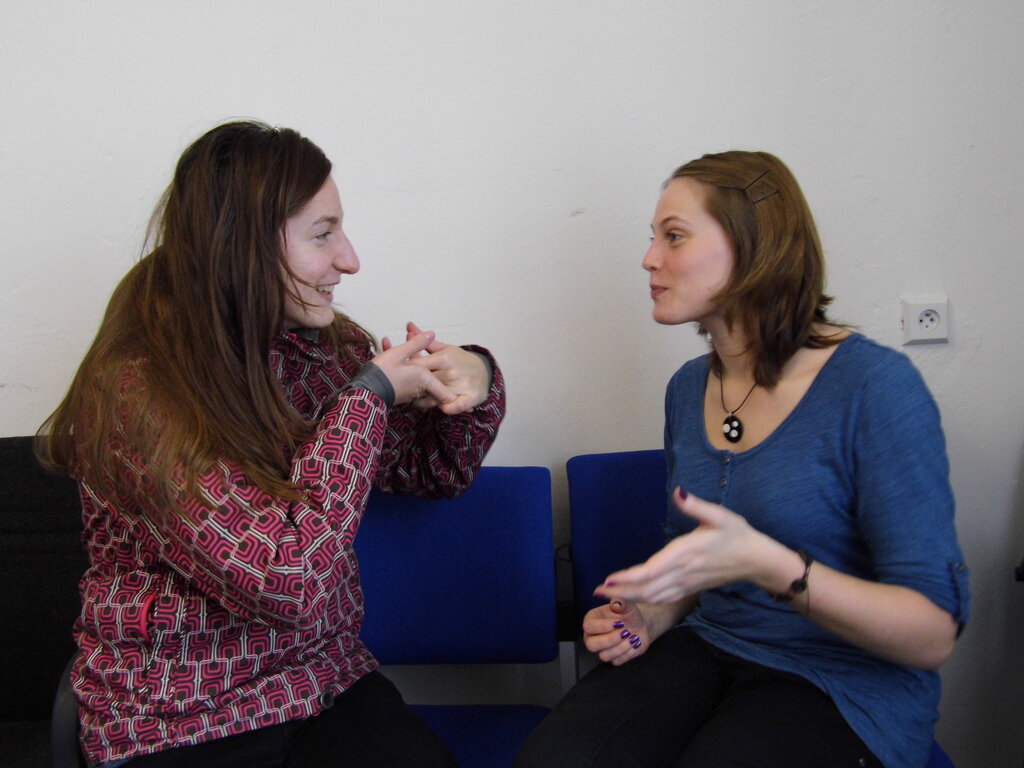
Facial expressions are another powerful tool. A smile, a frown, or a raised eyebrow can convey a wide range of emotions, and many of these expressions are understood universally. Gestures, like waving hello or giving a thumbs-up, add emphasis and clarity. But be careful, as the meaning of a gesture can change dramatically from one place to another.
Connection and Space
Eye contact is a subtle but critical element. It signals interest and builds trust. When someone meets your gaze, it shows they are engaged in the conversation. Too little eye contact can suggest dishonesty or disinterest, while too much can feel aggressive. Finding a comfortable balance is key.
Personal space is the invisible bubble we keep around ourselves. The comfortable distance varies based on your relationship with the other person and your cultural background.
For example, in some cultures, people stand very close when they talk, which can feel intrusive to someone from a culture where more personal space is the norm. The same goes for physical touch. A handshake, a pat on the back, or a hug all carry different meanings and levels of appropriateness depending on the context and culture. Always be mindful of personal boundaries.
| Nonverbal Cue | What it Might Signal |
|---|---|
| Leaning In | Interest, agreement |
| Crossed Arms | Defensiveness, disagreement |
| Nodding | Listening, encouragement |
| Avoiding Eye Contact | Discomfort, dishonesty |
| Mirroring Body Language | Rapport, connection |
Becoming a Better Observer
Improving your nonverbal skills starts with observation. Pay attention not just to what people say, but how they say it. Notice their posture, gestures, and the expressions that cross their face. This practice, often called people-watching, can teach you a lot about unspoken social cues.
Try this: The next time you're watching a show or movie with the sound off, try to understand the characters' feelings and relationships based only on their nonverbal communication.
Next, turn the focus on yourself. Are you a foot-tapper? Do you cross your arms when you're listening? Ask a trusted friend for feedback on your body language. You might be sending signals you're not even aware of. Becoming conscious of your own habits is the first step toward making sure your nonverbal cues align with your words.