Mastering Interview English
Introduction to Job Interviews
What's an Interview Really For?
It’s easy to think of a job interview as a one-way test where you have to prove you’re good enough. But it’s more of a conversation. Yes, the company wants to know if you have the right skills and experience. They also want to see if you’ll fit in with the team and if your professional goals align with what they can offer.
At the same time, it’s your chance to figure out if you even want to work there. Is the manager someone you could learn from? Does the company’s mission excite you? An interview is a two-way street where both sides are trying to find the right match.
The Typical Interview Journey
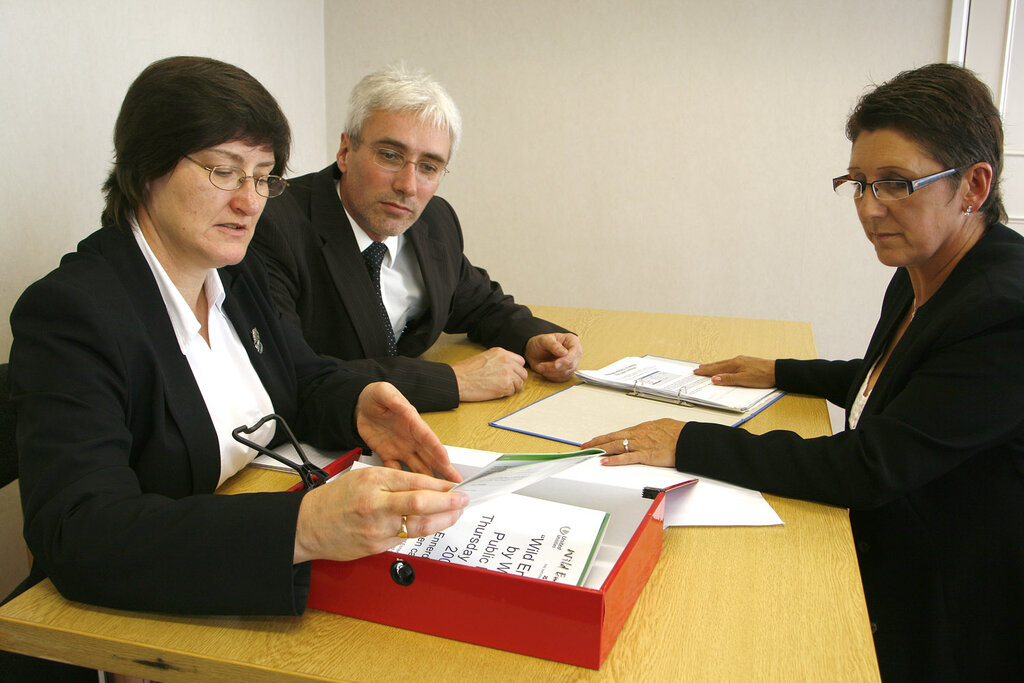
Most interview processes follow a predictable pattern. It usually starts with a brief screening call from a recruiter or HR representative. This is a basic check to see if you meet the minimum qualifications and to discuss salary expectations.
If that goes well, you’ll move on to one or more rounds with the team. These interviews dig deeper into your skills and how you approach problems. You might speak with your potential future manager and teammates. The final stage is often a conversation with a senior leader, which focuses more on your long-term goals and cultural fit.
Interviews also come in different formats. A phone interview requires you to communicate enthusiasm and clarity through your voice alone. For a video interview, you need to check your background, lighting, and technology beforehand. An in-person interview involves the whole package: what you wear, your handshake, and how you carry yourself from the moment you walk in the door.
First Impressions Matter
People form impressions quickly. The first few minutes of an interview can set the tone for the entire conversation. This isn't just about giving the right answers; it’s about how you present yourself. Confidence, professionalism, and enthusiasm are communicated through more than just your words.
Your body language often speaks louder than your words. Sit up straight, make eye contact, and offer a firm handshake. These small actions project confidence.
Your tone of voice is just as important. Speaking clearly and at a moderate pace shows you are calm and collected. Avoid speaking too quietly or rushing through your sentences. A warm, engaged tone helps build rapport with the interviewer and makes the conversation feel more natural.
Reading the Room
Interview etiquette isn't universal. What's considered polite or professional can vary depending on the country, industry, and company culture. For example, some cultures value direct, to-the-point communication, while others prefer a more indirect and harmonious approach.
| Cultural Aspect | Approach A | Approach B |
|---|---|---|
| Communication | Direct and explicit | Indirect and nuanced |
| Formality | Strict use of titles and formal attire | Casual language and dress |
| Eye Contact | Sustained, shows confidence | Brief, shows respect |
Before your interview, do a little research. Look at the company’s website and social media to get a feel for its culture. Is it a formal corporate environment or a laid-back startup? This can give you clues about how to dress and communicate. If you’re interviewing with a global company, it’s also wise to read up on the business customs of that region.
What is the primary purpose of a job interview from the candidate's perspective?
True or False: The first stage in a typical interview process is a detailed, in-person meeting with a senior leader.
Understanding these fundamentals helps demystify the interview process. It’s a structured conversation where preparation and self-awareness can make all the difference.