Mastering Interpersonal Communication
Active Listening
More Than Just Hearing
Hearing is automatic. If a car alarm goes off, you hear it. But listening is a choice. It's a skill you can develop. Active listening means you're not just letting sound waves hit your eardrums; you're fully concentrating on what the other person is saying, understanding their message, and engaging with it.
Think of it this way: Hearing is passive, but listening is active. It requires effort and focus.
This skill is the foundation of effective communication. Without it, conversations can easily lead to confusion and frustration. When you actively listen, you show respect for the speaker and their ideas, which opens the door for a genuine exchange.
Active listening is a key communication skill that involves absorbing the information someone shares with you, and reflecting back—through questions and your body language—that you heard them.
How to Practice Active Listening
Becoming an active listener involves a few straightforward techniques. They might feel a little deliberate at first, but with practice, they become natural parts of how you communicate.
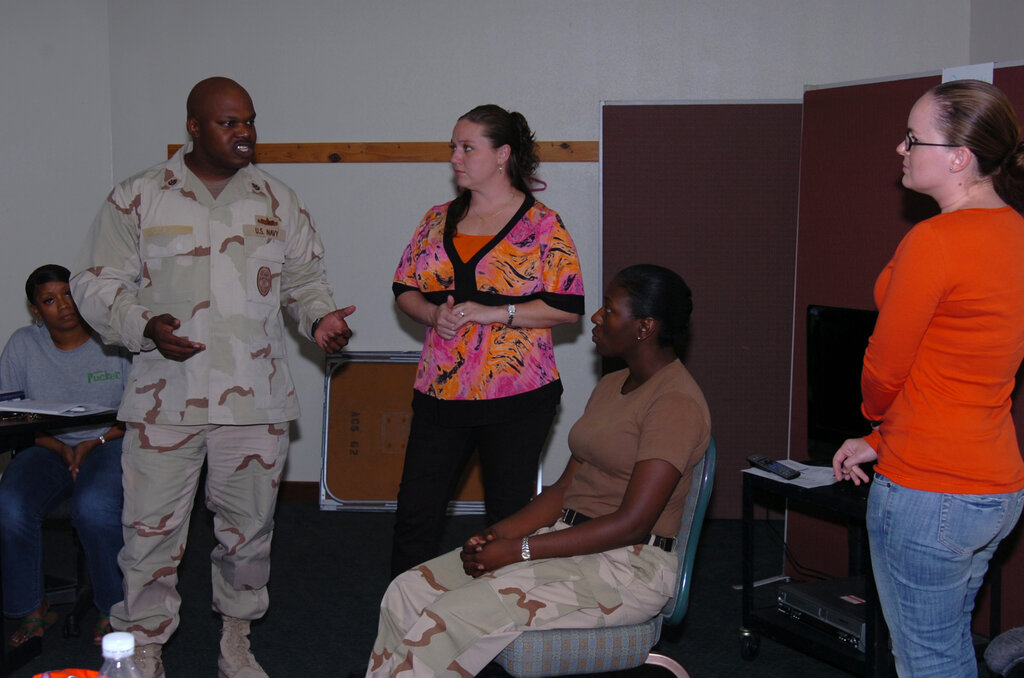
1. Give Your Full Attention Your first job is to focus completely on the speaker. Put your phone away, turn away from your computer screen, and make eye contact. This signals that you are present and that what they're saying is your top priority. The goal is to minimize both external distractions (like a noisy room) and internal distractions (like thinking about what you'll say next).
2. Show You're Engaged As you listen, provide small cues to show you're following along. A simple nod can communicate understanding or encouragement. You can also use brief verbal affirmations like "I see" or "uh-huh." These small actions confirm to the speaker that you are still with them and processing their message.
3. Paraphrase to Confirm This is a powerful technique to prevent misunderstandings. After the speaker makes a point, briefly restate it in your own words. You could start with phrases like, "So, if I'm understanding you correctly..." or "In other words, you're saying that..."
This isn't about repeating their words exactly. It’s about summarizing the essence of their message to confirm you've got it right. If you haven't, it gives the speaker a chance to clarify immediately.
Why It Matters
Putting in the effort to actively listen pays off significantly. One of the biggest benefits is building trust. When people feel truly heard, they are more likely to open up and trust you. This strengthens relationships, whether with a colleague, a friend, or a family member.
Active listening also drastically reduces misunderstandings. By paraphrasing and seeking clarification, you catch potential misinterpretations before they can cause problems. This leads to more efficient collaboration and less conflict.
Ultimately, it enhances your connections with others. Conversations become more meaningful, moving beyond surface-level exchanges to create a real sense of rapport and mutual respect.