Mastering Internal Communication
Introduction to Internal Communication
What Is Internal Communication?
Internal communication is the way information flows within an organization. It’s everything from a CEO's company-wide email to a casual chat between coworkers in a Slack channel. It covers official announcements, team project updates, and even the informal conversations that build company culture.
Think of it as the central nervous system of a company. It carries vital information to every part of the organization, ensuring all departments and employees are working together smoothly. Without it, different parts of the business can't coordinate, leading to confusion and inefficiency.
Effective internal communication ensures everyone understands the company's goals, their role in achieving them, and the values that guide their work.
Why It Matters
When internal communication is strong, it builds a foundation of trust and transparency. Employees who feel informed are more likely to be engaged and motivated. They understand the 'why' behind their work, which connects their daily tasks to the company's larger mission.
Good communication aligns the entire organization. When everyone has the same information and clear goals, teams can work together more effectively, make better decisions, and adapt more quickly to change. It also fosters a positive workplace culture where employees feel valued and heard. This directly impacts morale, productivity, and even employee retention.
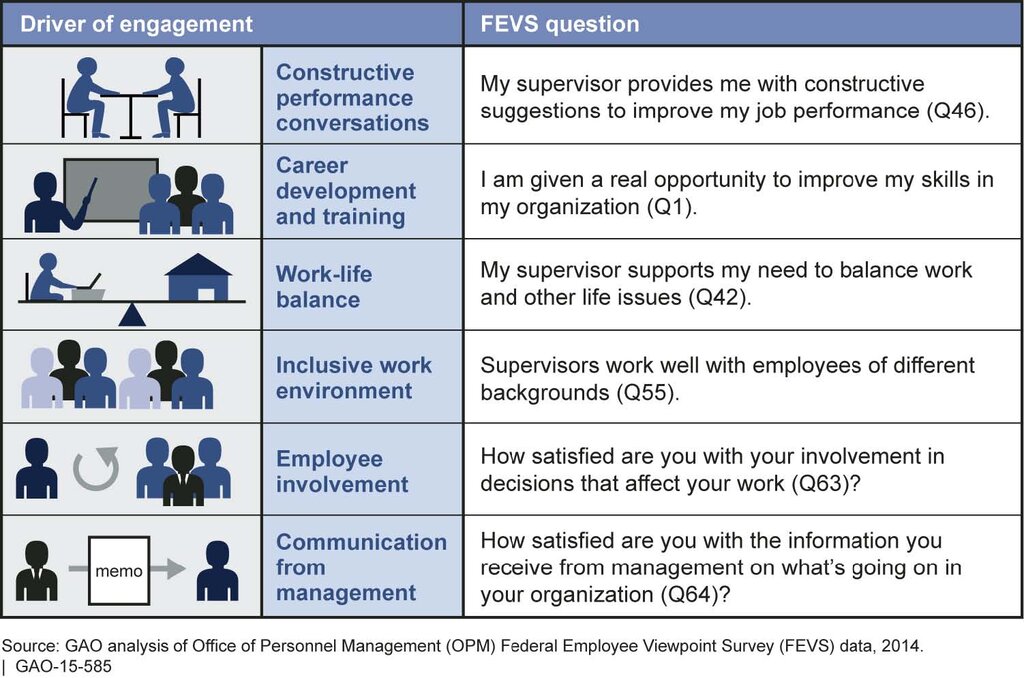
An effective internal communications strategy can dramatically improve your organization’s culture, employee engagement, and daily operations.
The Building Blocks
Effective internal communication isn't just about sending emails. It's a system with several key components that must work together. These are the fundamentals.
First, you have the sender. This is the person or department initiating the communication. They must have a clear purpose for their message.
Next is the message itself. For communication to be effective, the message must be clear, concise, accurate, and relevant to the audience. A confusing message, no matter how well-intentioned, can create more problems than it solves.
Then there's the channel, which is how the message is delivered. Channels can range from face-to-face meetings and video calls to emails, newsletters, and company-wide intranets. Choosing the right channel is crucial. An urgent safety update, for example, requires a more immediate channel than a monthly department recap.
Finally, you have the receiver, or the audience. Communication is a two-way street. The sender needs to consider who the receiver is and what they need to know. The receiver, in turn, is responsible for listening to and interpreting the message.
Let's review the key terms we've covered.
Now, let's test your understanding with a few questions.
Which of the following best defines internal communication?
According to the text, what is a primary benefit of strong internal communication?
Understanding these core elements is the first step in appreciating how vital communication is to the health and success of any organization.