Mastering Interior Design Styles
Style Evolution and Evolution
Why Styles Change
Interior design styles don't emerge from a vacuum. They are direct responses to the world around them—reflecting societal values, technological advancements, and even political climates. A room is a snapshot of history. To understand why a sleek, minimalist living room looks so different from a cluttered, ornate parlor, we have to look at the forces that shaped each one.
The Industrial Revolution is a critical starting point. Before the mid-18th century, furniture and decor were handcrafted, expensive, and reserved for the wealthy. Mass production changed everything. Suddenly, decorative items could be made quickly and cheaply. This technological leap didn't just alter how things were made; it fundamentally changed how people lived and what they valued in their homes.
Victorian Excess
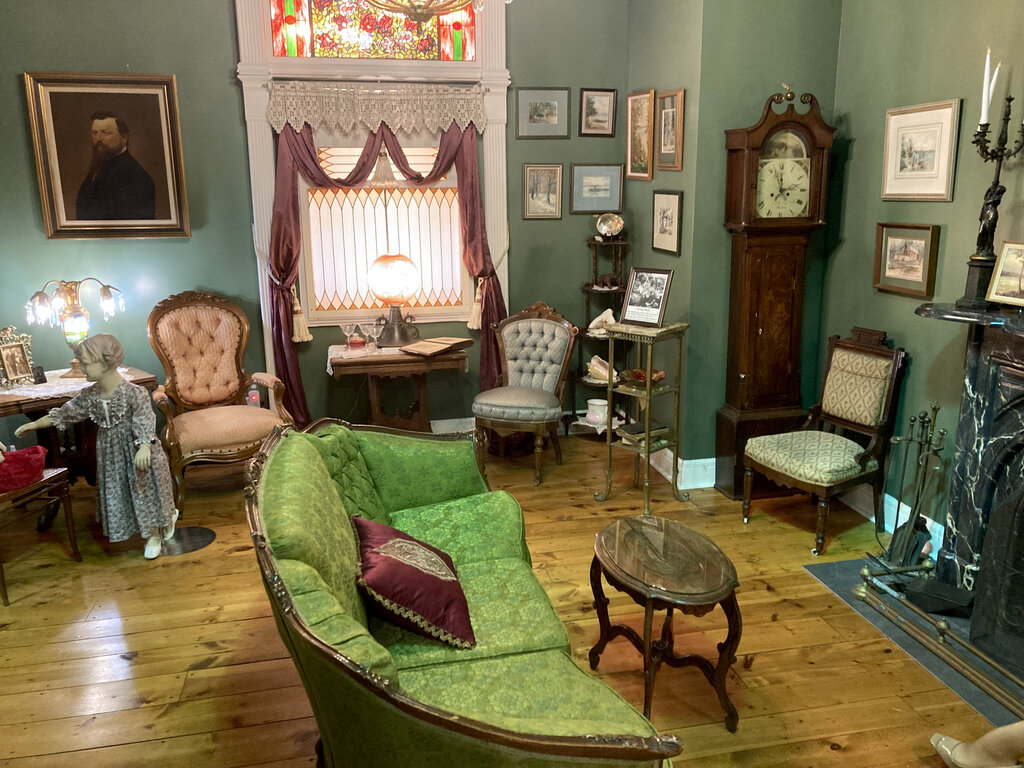
The Victorian era (roughly 1837-1901) was the first to fully embrace industrial manufacturing. For the rising middle class, the home became a theater for displaying newfound wealth. The aesthetic was one of abundance. Rooms were filled with heavy, dark-wood furniture, intricate carvings, and layers of plush textiles. It was a style defined by ornamentation.
This philosophy extended to the layout of the house itself. Victorian homes were a collection of separate, single-purpose rooms: the parlor for receiving guests, the dining room for formal meals, the library for study. Walls and doors created a rigid, formal separation of functions, mirroring the strict social etiquette of the time.
But not everyone celebrated this machine-made opulence. A counter-movement was brewing, one that looked back to a time of skilled artisans and honest craftsmanship.
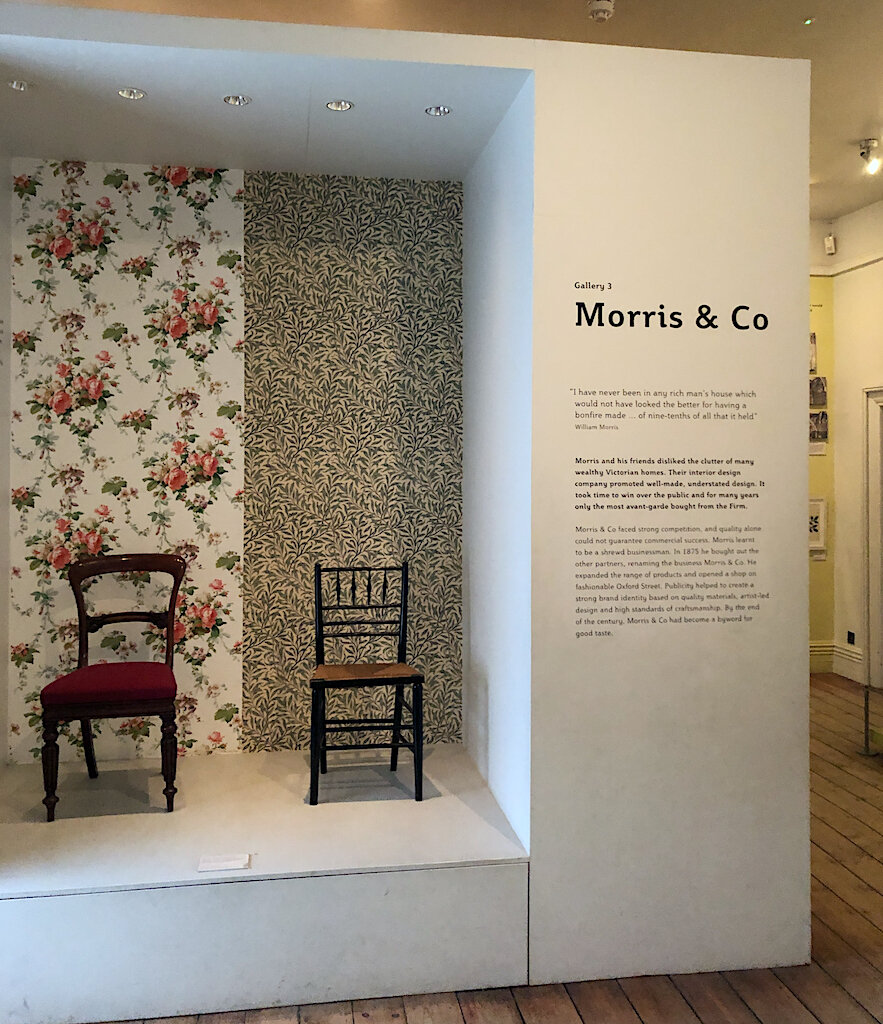
The Arts and Crafts movement championed handmade goods, natural materials, and simpler forms. It was a direct rebellion against the perceived soullessness of factory-produced Victorian furniture. Proponents like William Morris argued for quality and artistry, believing that the objects in our homes should be both beautiful and useful.
The Modernist Revolution
By the early 20th century, the world was changing rapidly. New technologies and new ways of thinking paved the way for Modernism, a movement that stripped away historical ornamentation in favor of a clean, functional aesthetic. This wasn't just a style; it was a philosophy.
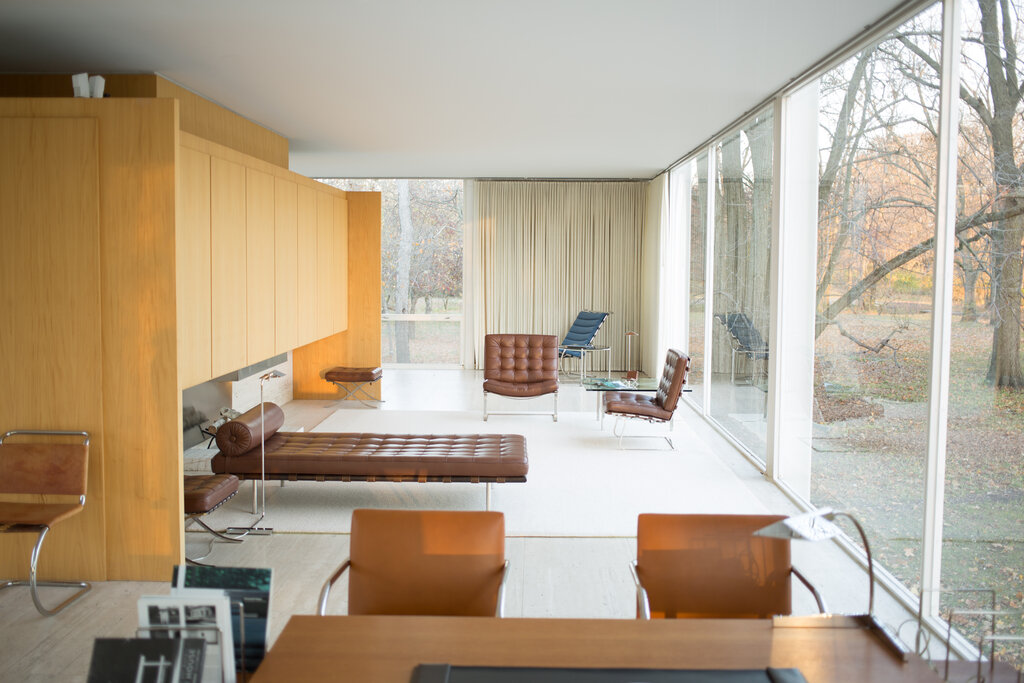
At the forefront was the Bauhaus, a German school of art and design founded in 1919. The Bauhaus championed the idea of "form follows function." Decoration that served no purpose was eliminated. The focus shifted to the inherent beauty of materials like steel, glass, and concrete, and the efficiency of the forms themselves. This new thinking fundamentally reshaped space. Interior walls were removed, creating open-plan layouts that combined living, dining, and kitchen areas. Light and air became essential design elements.
Reading the Silhouettes
You can learn to identify a style period just by looking at the shape of a single piece of furniture. The legs of a chair or table are often a clear giveaway. Victorian furniture, for instance, frequently features the cabriole leg—a curved shape resembling an animal's leg, ending in an ornamental foot. It's elaborate and decorative.
In contrast, Modernist furniture often uses the tapered leg. It's a clean, straight line that narrows toward the bottom. This simple, geometric form reflects the movement's emphasis on function and structural honesty. The leg is there to support the object, and its form does nothing more than that.
These historical shifts are not just academic. The open-plan living room in a modern apartment is a direct descendant of Bauhaus ideals. The renewed interest in artisan-made goods echoes the principles of the Arts and Crafts movement. Understanding this evolution gives context to the design choices we see and make every day.
Let's check your understanding of these foundational design shifts.
What major historical event enabled the mass production of furniture and decorative items, making them accessible to the middle class for the first time?
Which phrase best captures the guiding philosophy of the Bauhaus school and the broader Modernist movement?
By recognizing the historical forces behind design, you can analyze interiors with a more informed eye, seeing not just what is there, but why it's there.