Mastering Interdimensional Aura
Understanding Mana
What is Mana?
Mana is a concept of a pervasive, spiritual energy or life force. Think of it as a fundamental power that flows through people, places, and even inanimate objects. While many people now associate the word with video games, its origins are much older and deeper, rooted in real-world cultures.
Mana
noun
A supernatural force or power that may be ascribed to persons, spirits, or inanimate objects. Mana may be inherited, conferred, or acquired, and it can be increased or lost.
The term comes from Polynesian and Melanesian languages. In these cultures, mana isn't just fuel for casting spells. It's a measure of influence, prestige, and spiritual power. A great warrior, a skilled artisan, or a respected leader was said to have strong mana. It was a sign of divine favor and personal effectiveness. An object, like a beautifully carved canoe or a sacred stone, could also possess mana.
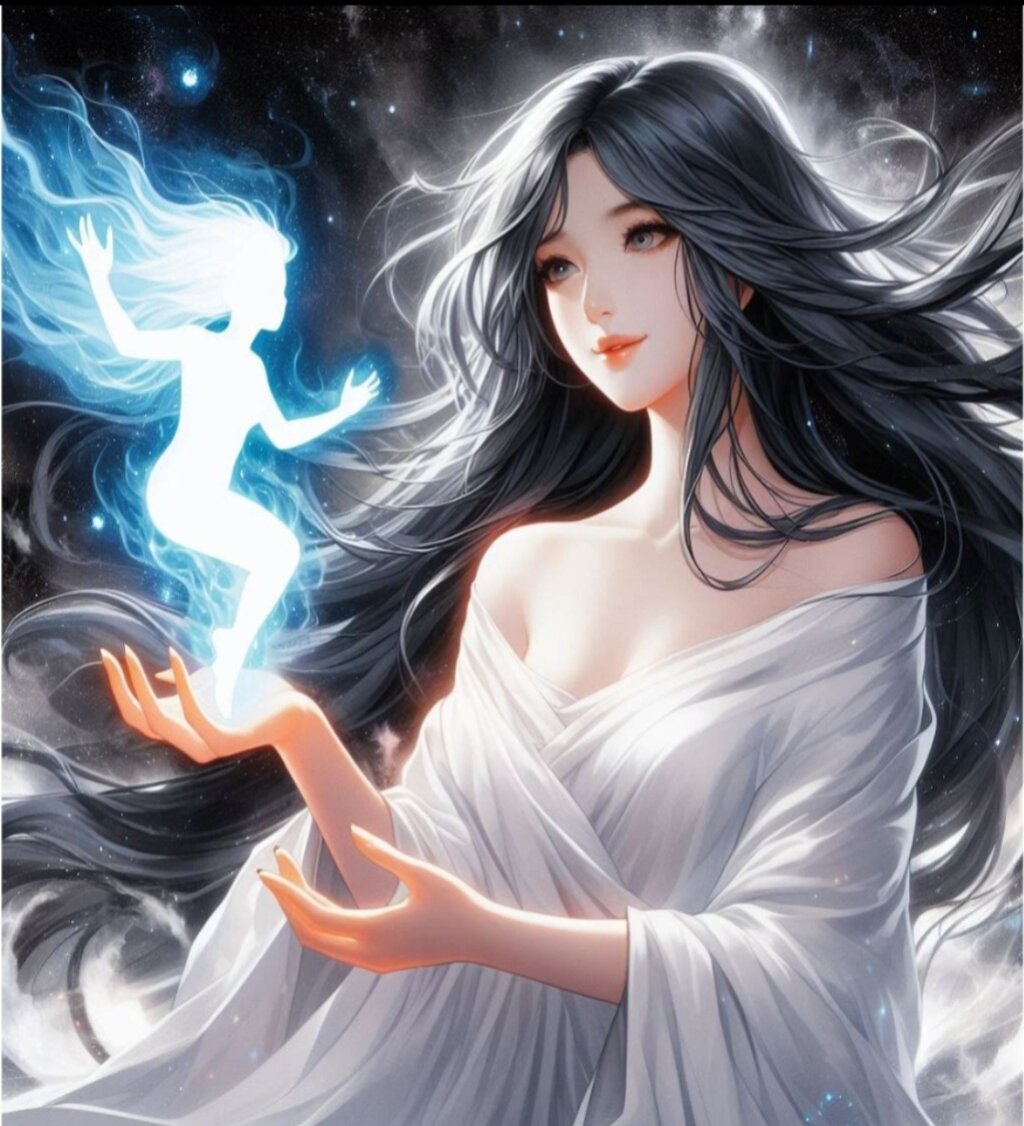
A Global Life Force
The idea of a vital, unseen energy isn't unique to the Pacific Islands. Many cultures around the world have developed similar concepts to explain the world and our place in it. These ideas, while distinct, share a common thread of a life force that can be cultivated and directed.
From the prana of yogic traditions to the qi of Chinese philosophy, humanity has long sought to understand the invisible energies that shape our existence.
Here’s a quick comparison of a few of these concepts:
| Concept | Origin | Core Idea |
|---|---|---|
| Mana | Polynesian | Spiritual power, authority, effectiveness |
| Qi (Chi) | Chinese | Vital life force, energy flow |
| Prana | Hindu / Yogic | Life-sustaining force, breath |
| Aether | Ancient Greek | The fifth element, the pure essence of the heavens |
Each of these concepts provided a framework for understanding health, spirituality, and the natural world. While the specifics differ, they all point to an energy that connects everything.
Mana in Modern Fantasy
So how did this complex cultural concept become the blue bar at the bottom of a video game screen? The transformation began in fantasy literature. Writers borrowed the term "mana" to describe the energy source for magic in their fictional worlds. It was an elegant solution for explaining how magic worked and, more importantly, what its limits were.
In many fantasy settings, mana became a finite resource. A magician could only cast so many spells before their internal reservoir ran dry, needing rest or a special potion to replenish it. This idea was perfect for games, especially role-playing games (RPGs).
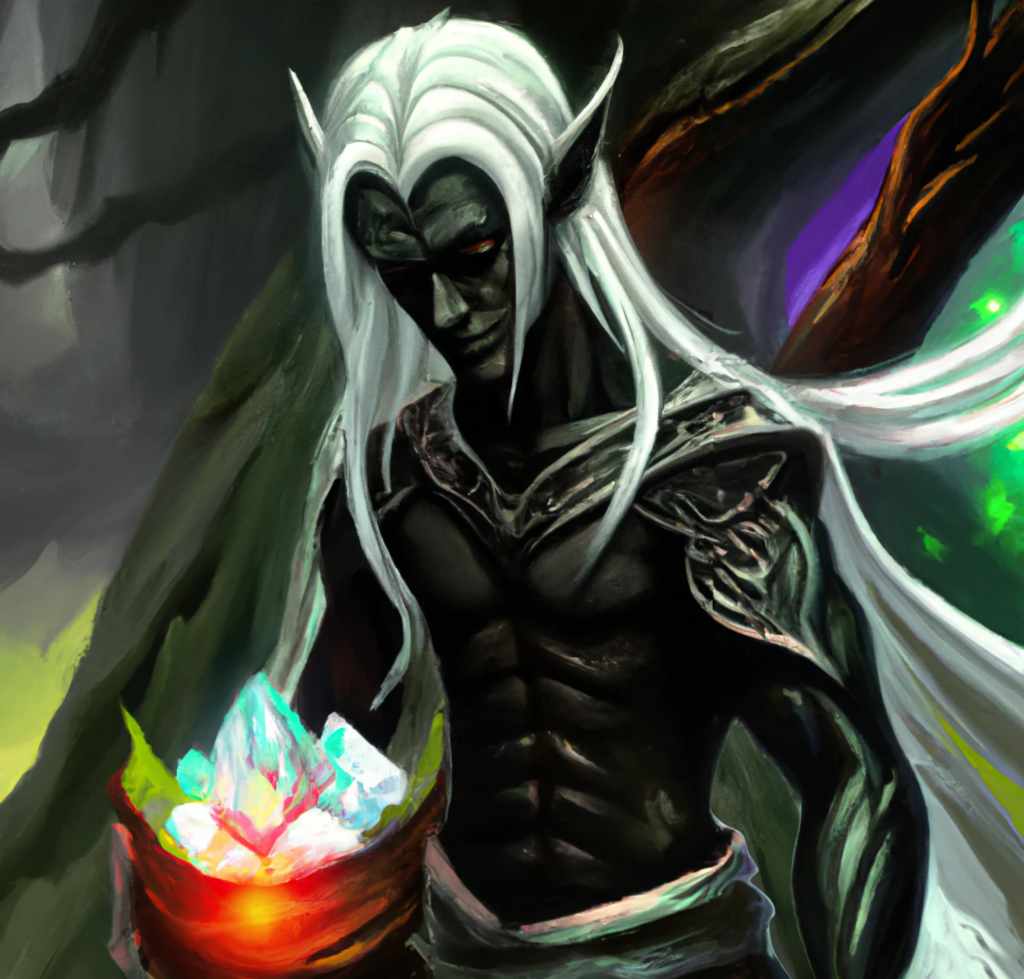
By quantifying mana into "magic points" (MP), game designers could create balanced and strategic systems. Players had to manage their mana, deciding whether to use a powerful spell now or save their energy for a tougher fight later. This mechanic is now a staple in countless video games, from massive online worlds to simple mobile apps.
In fantasy, mana acts as the fuel for the engine of magic. Without it, even the most powerful wizard is just a person in a pointy hat.
So, while the term has evolved, it still carries a sense of power and potential, whether it's the spiritual authority of a tribal chief or the raw energy for a spectacular fireball spell.
Ready to test your knowledge?