Mastering Insulin Sensitivity for Better Health
Insulin and Glucose Metabolism
The Gatekeeper Hormone
Every cell in your body needs energy to function, and the primary source of that energy is a simple sugar called glucose. After you eat carbohydrates, your digestive system breaks them down into glucose, which then enters your bloodstream. But there's a catch. For most of your body's cells, particularly muscle and fat cells, glucose can't just waltz in. It needs a key to unlock the door.
Insulin
noun
A hormone produced by the beta cells of the pancreas that regulates the amount of glucose in the blood.
That key is insulin. When your pancreas detects a rise in blood glucose, its beta cells swing into action and release insulin into the bloodstream. Insulin then travels throughout your body, carrying a crucial message for your cells: "The energy has arrived. Open up!" This process ensures that your cells get the fuel they need and that the level of sugar in your blood doesn't get dangerously high.
How Insulin Opens the Door
Insulin's job is more than just knocking on the cell's door; it's a precise molecular interaction. Each cell that responds to insulin has specialized proteins on its surface called insulin receptors. When an insulin molecule binds to one of these receptors, it's like a key fitting perfectly into a lock.
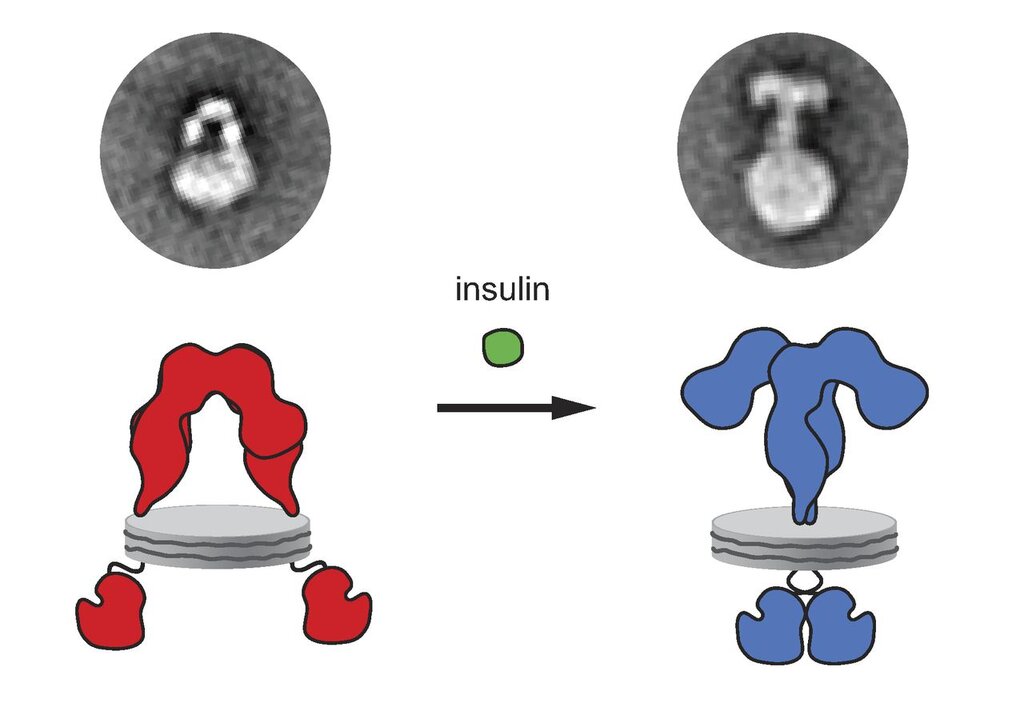
This binding event triggers a chain reaction inside the cell. It activates a cascade of signals that relays a message to glucose transporters called GLUT4. These transporters are normally stored in small bubbles, or vesicles, within the cell.
The signal from the insulin receptor tells these vesicles to move to the cell's surface and fuse with the outer membrane. Once embedded in the membrane, the GLUT4 transporters act as channels, creating openings that allow glucose to move from the bloodstream into the cell.
Once inside, the cell can use glucose immediately for energy through a process called glycolysis, or store it for later. In the liver and muscles, insulin also promotes the process of glycogenesis, where excess glucose molecules are linked together to form glycogen, a compact storage molecule.
When the Key is Missing
What happens if the body doesn't produce enough insulin? This condition, known as insulin deficiency, is the hallmark of type 1 diabetes. Without sufficient insulin, the cellular doors remain locked to glucose.
Glucose can't enter the cells that need it for energy, so it builds up in the bloodstream. This leads to high blood sugar levels, or hyperglycemia. Paradoxically, while the blood is full of sugar, the cells are starving for fuel. This cellular starvation can cause fatigue, weight loss, and other serious health problems.
At the same time, the liver, sensing that cells aren't getting glucose, tries to help by producing even more glucose from its stores. This only worsens the high blood sugar. It's a dangerous cycle where the body's attempts to fix the problem actually make it worse, highlighting just how critical insulin is for maintaining balance.
Insulin is a crucial hormone that regulates blood glucose levels, released by the β cells of the pancreas.
Now that you understand how insulin works as the key to glucose metabolism, let's test your knowledge.