Mastering Information Literacy
Introduction to Information Literacy
What Is Information Literacy?
We're surrounded by information. It comes at us from social media, news sites, books, and conversations. But how do we make sense of it all? That's where information literacy comes in. It's the ability to know when you need information, where to find it, and how to use it effectively.
Think of it as a toolkit for navigating the modern world. It's not just about knowing facts; it's about understanding how to learn, question, and apply knowledge. This skill set empowers you to think critically and make informed decisions, whether you're writing a research paper, choosing a product, or deciding who to vote for.
Information Literacy
noun
The set of integrated abilities encompassing the reflective discovery of information, the understanding of how information is produced and valued, and the use of information in creating new knowledge and participating ethically in communities of learning.
It’s a foundational skill, like reading or writing, that helps you engage with the world in a more meaningful way.
Why It Matters Now
We live in an age of information overload. The internet has given us access to more data than at any other time in history. While this is a powerful resource, it also presents a challenge. Not all information is created equal. Some is accurate and reliable, while other information might be biased, misleading, or completely false.
Without information literacy, it's easy to get lost in the noise. You might accept a false claim you see on social media or base an important decision on flawed data. These skills help you filter out the junk and focus on what's credible and relevant.
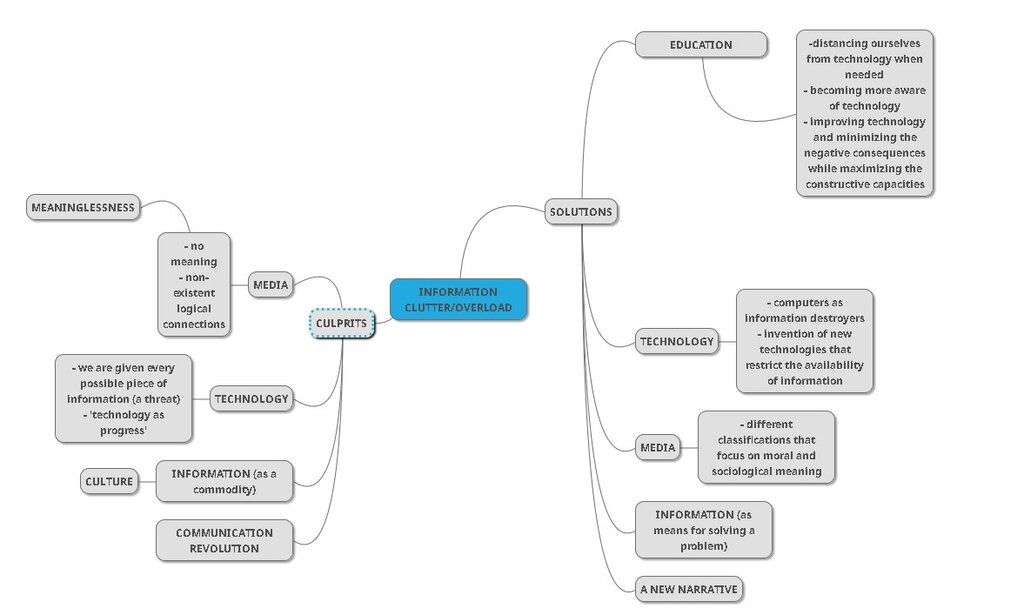
In an academic setting, information literacy helps you find scholarly sources for your assignments and build strong arguments. In your daily life, it helps you understand health news, manage your finances, and participate in conversations about complex topics. It’s about becoming a savvy consumer of information, not just a passive one.
The Core Skills
Information literacy can be broken down into a few core abilities. It starts with recognizing you have a need for information. From there, the process generally follows three key steps:
- Locate: This is your ability to find and retrieve information from various sources, like library databases, websites, or books.
- Evaluate: This is the crucial step of judging the information's credibility. You ask questions like: Who created this? Is it biased? Is it supported by evidence?
- Use: Once you've found and vetted your information, you need to apply it. This could mean integrating it into a research project, using it to solve a problem, or sharing it with others.
These skills don't happen in isolation. They're part of a cycle, and one skill often leads you back to another.
Underpinning all of these skills is one essential element: critical thinking. Critical thinking is what allows you to approach information with a questioning mindset. It's the voice in your head that asks, "Does this make sense?" or "What's the other side of this story?"
It prompts you to look deeper, compare different sources, and identify potential biases. Without critical thinking, you're just collecting information. With it, you're building real knowledge.
Information literacy education should foster complex thinking and provide students with critical thinking and metacognitive skills, enabling them to accurately perceive the incomplete nature of information and maintain an open-minded perspective towards the information and knowledge they have acquired.
Ready to check your understanding? Let's try a few questions.
What is the primary goal of information literacy?
In the modern age of information overload, information literacy is crucial because it helps you filter out biased, misleading, or false information.
Developing these skills is a lifelong process. By starting with this foundation, you're better equipped to learn, adapt, and succeed in a world that's constantly changing.