Mastering Information Literacy
Understanding Information Literacy
What Is Information Literacy?
We are surrounded by information. It comes at us from news sites, social media feeds, academic journals, and conversations with friends. But having access to information isn't the same as understanding it. Information literacy is the ability to navigate this sea of data effectively.
It's a set of skills that allows you to find, evaluate, and use information to achieve a specific goal, whether that's writing a research paper, making a smart purchase, or understanding a health diagnosis.
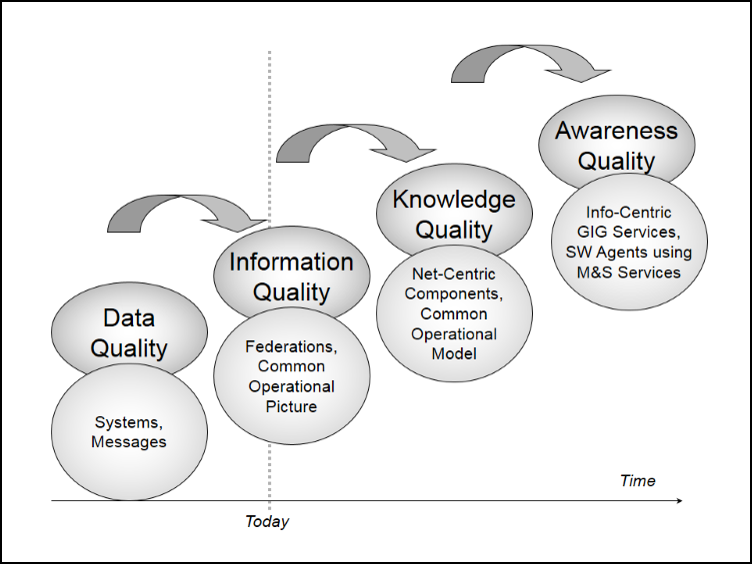
Think of it as a journey. You start with raw data—facts and figures. As you organize and interpret this data, it becomes information. When you apply that information and connect it to what you already know, it becomes knowledge. Information literacy is the map that guides you through this process.
Why It Matters
In a world of constant updates and endless content, being information literate is a critical life skill. For students, it's the foundation of academic research. It means moving beyond the first page of search results to find credible, relevant sources that support your arguments.
Outside of school, these skills are just as vital. They help you fact-check news stories, see through misleading advertisements, and make informed decisions about your health, finances, and civic duties. It's about becoming a critical consumer of information rather than a passive one.
Information literacy education should foster complex thinking and provide students with critical thinking and metacognitive skills, enabling them to accurately perceive the incomplete nature of information and maintain an open-minded perspective towards the information and knowledge they have acquired.
The Core Skills
Information literacy isn't one single skill but a bundle of related abilities. We can break them down into three main categories:
1. Locate: This is the starting point—the act of finding information. It involves knowing where to look (like library databases, government websites, or scholarly articles) and how to search effectively using keywords and search strategies.
2. Evaluate: Once you've found information, you need to assess its quality. Is the source credible? Is the author an expert? Is the information biased or objective? Is it up-to-date? This critical step helps you filter out noise and misinformation.
3. Use: The final step is applying the information you've gathered. This could mean synthesizing it into a research paper, citing it properly to avoid plagiarism, or using it to form an opinion or make a decision. It's about integrating new knowledge ethically and effectively.
These skills form a cycle. The information you use often leads to new questions, starting the process all over again. Now, let's review what you've learned.
What is the primary goal of information literacy?
When you organize raw data like facts and figures to give it context, it becomes ______.
Mastering these foundational skills will help you navigate the modern world with confidence and clarity.