Mastering Influence in the Indian Corporate Arena
Cultural Dynamics
Navigating the Hierarchy
In many Western business cultures, the lines between a manager and their team can be blurry. Open-plan offices and first-name bases are common. In India, the corporate structure is typically more formal and hierarchical. This isn't about being rigid; it's about showing respect for experience and seniority.
Decisions often flow from the top down. Senior leaders are the primary decision-makers, and their authority is well-established. When you're in a meeting, it's wise to address the most senior person in the room first. This shows you understand and respect the structure.
Job titles and designations matter. They aren't just labels—they signify a person's position, experience, and level of responsibility within the organization. Using formal titles like "Mr." or "Ms." followed by a last name, especially in initial interactions, is a sign of respect.
This structure fosters a clear chain of command. While collaboration is valued, final approval for major initiatives will almost always come from senior management. This clarity can actually speed things up once a decision is made, as everyone understands their role in executing the plan.
Foreign companies should invest in cultural training to align expectations and foster effective collaboration, particularly in India’s hierarchical yet team-oriented environment.
The Art of Indirect Communication
Communication in India often leans towards the indirect. This can be a significant adjustment for those accustomed to more direct, blunt feedback. In Indian culture, maintaining harmony and showing respect are often prioritized over directness. A flat "no" can be seen as confrontational or rude.
Instead of a direct refusal, you might hear phrases like "We will try," "Let me see," or "This might be difficult." These often mean "no," but are phrased in a way that saves face for everyone involved. It's crucial to listen not just to what is said, but how it is said, and to pay attention to non-verbal cues.
| Direct Style | Indirect Style (India) |
|---|---|
| "I can't meet that deadline." | "That deadline will be very challenging." |
| "No, that's a bad idea." | "Let's explore some other options as well." |
| "I disagree." | "I see your point, but have you considered..." |
This doesn't mean people are being evasive. It's a culturally ingrained way to be polite and avoid conflict. The key is to build relationships where you can ask clarifying questions without causing offense. For example, after hearing "We will try our best," you might gently ask, "What challenges do you foresee?" This opens the door for a more detailed discussion about potential obstacles.
Relationships First, Business Second
In many parts of the world, business is transactional. You meet, you discuss the deal, you sign the papers. In India, business is relational. Building a personal connection and establishing trust is a prerequisite to any serious business dealing.
Don't be surprised if the first part of a meeting is spent on personal conversation. You might be asked about your family, your journey, or your impressions of the city. This isn't just small talk; it's the process of building rapport. Rushing into the business agenda can be seen as impatient and rude.
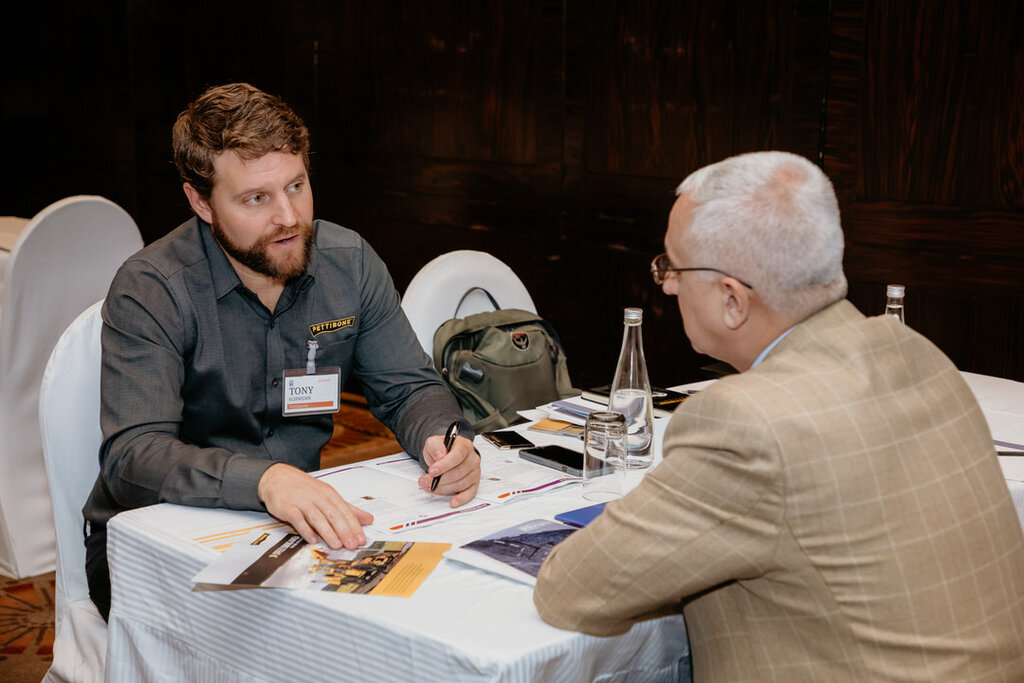
This emphasis on relationships means that trust is paramount. People do business with those they know, like, and trust. Investing time in meals, informal chats, and showing genuine interest in your counterparts as people will pay significant dividends. Once a strong relationship is formed, you'll find that business dealings become much smoother and more collaborative.
Think of it this way: you're not just closing a deal, you're starting a partnership. And good partnerships are built on mutual respect and understanding, not just a contract.
Hello
A simple greeting like "Namaste," accompanied by a slight bow and pressing your palms together, is a widely recognized sign of respect that can go a long way in building these crucial personal connections.
Ready to check your understanding of these cultural nuances? Let's see how well you've grasped these key concepts for navigating the Indian business world.
In a typical Indian business meeting, how are major decisions most often made?
If a business counterpart in India says, "We will try our best" in response to a request, how should you most likely interpret this statement?
Understanding these cultural dynamics is a journey, not a destination. By showing respect for hierarchy, learning to interpret communication styles, and investing in personal relationships, you create a strong foundation for successful business interactions.