Mastering Indian Commodity Markets and Gann Strategies
2025 Market Landscape
The 2025 Indian Market Landscape
The Indian commodity market is in a constant state of evolution. For traders and hedgers, understanding the operational framework for 2025-2026 is not just helpful—it's essential. This involves knowing the precise trading hours, navigating key regulatory changes, and mastering the mechanics of physical delivery.
Trading Sessions and Global Overlaps
The major commodity exchanges, MCX and NCDEX, have distinct trading sessions tailored to different commodity types. The timings are designed to align with both domestic factors and international market movements.
| Session | Agri-Commodities (e.g., NCDEX) | Non-Agri Commodities (e.g., MCX) |
|---|---|---|
| Morning Session | 9:00 AM to 5:00 PM IST | 9:00 AM to 5:00 PM IST |
| Evening Session | No Session | 5:00 PM to 11:30 PM / 11:55 PM IST |
The most significant aspect here is the extended evening session for non-agricultural commodities like crude oil, natural gas, and precious metals. This session runs until 11:30 PM IST, and it's extended to 11:55 PM during daylight saving time in the US.
This isn't an arbitrary schedule. It's strategically designed to overlap with the opening hours of the US markets, particularly the New York Mercantile Exchange (NYMEX) and the Commodity Exchange (COMEX). This overlap allows Indian traders to react in real-time to price fluctuations driven by US economic data releases, inventory reports, and geopolitical events. It provides a crucial window to manage risk and capture opportunities arising from global volatility.
The Regulatory Climate
Regulatory decisions by the Securities and Exchange Board of India (SEBI) have a profound impact on market dynamics. A key regulation affecting the 2025-2026 period is the extended suspension of futures trading in seven specific agricultural commodities.
SEBI has suspended trading in futures contracts for paddy (non-basmati), wheat, chana, mustard seeds, soya bean, crude palm oil, and moong until March 2026.
This suspension has significant consequences. For farmers, processors, and traders who rely on these contracts for price discovery and hedging, it removes a vital risk management tool. The absence of a national futures price reference can make it harder to plan sowing and stocking decisions.
From a market perspective, the move has diverted capital and trading volume to other available contracts. However, it also reduces overall market liquidity and breadth, forcing participants to find alternative, sometimes less efficient, ways to hedge their price risk, such as relying more heavily on physical spot markets or less-liquid contracts.
The Shift to Physical Delivery
One of the most structural shifts in the Indian commodity market has been the move from cash-settled futures to compulsory physical delivery for many contracts on both MCX and NCDEX. While cash settlement involves squaring off positions by paying or receiving the cash difference, physical delivery means the contract results in the actual transfer of the underlying commodity.
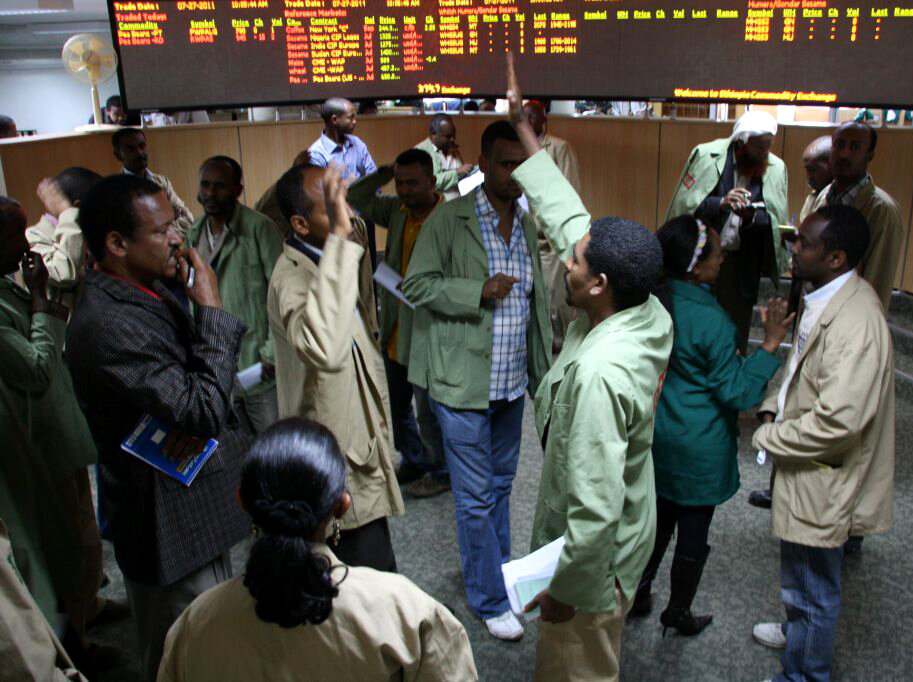
This change makes the futures market more aligned with the underlying physical market, but it introduces new complexities and risks for traders who aren't prepared.
First, the capital requirement is much higher. You need the full contract value to take or make delivery, not just the margin amount. Second, there are logistical hurdles. A seller must have the specified quality of the commodity ready in an exchange-accredited warehouse. A buyer must have arrangements to take possession of the goods, which includes transport and storage costs.
Agricultural commodity futures are often settled by delivery.
This system weeds out purely speculative players who have no intention of handling the physical goods, but it demands a more robust operational setup from those who wish to trade until contract expiry. A crucial part of this process is the tender period.
The increased margin requirements during the tender period are a critical risk management tool for the exchange. For traders, it means that holding a position into this final phase requires locking up a substantial amount of capital, adding another layer of cost and risk to the strategy.
What is the primary strategic reason for extending the evening trading session for commodities like crude oil and gold on Indian exchanges until late at night (e.g., 11:30 PM IST)?
True or False: The suspension of futures trading in certain agricultural commodities by SEBI has simplified risk management for farmers and traders by removing market volatility.
Navigating the current market requires a firm grasp of these operational details. The interplay between global session timings, regulatory actions, and the mechanics of physical settlement defines the strategic landscape for all participants.