Mastering Inclusive Language
Introduction to Inclusive Language
The Power of Words
Inclusive language is communication that avoids biases, slang, or expressions that discriminate against groups of people. It’s about speaking and writing in a way that makes everyone feel respected, valued, and seen.
This isn't about being "politically correct" or censoring yourself. It's about recognizing that language is powerful. The words we choose can either build walls or open doors. They can reinforce harmful stereotypes or challenge them. Think of it as a fundamental tool for creating an environment where everyone feels they belong.
When organizations set expectations for inclusive language and proactively educate leaders on the importance and techniques of inclusive language, that language becomes contagious.
How Language Shapes Perception
Our brains naturally use shortcuts to make sense of the world, and language often provides these shortcuts. When certain words or phrases are used repeatedly, they can reinforce unconscious biases and stereotypes, shaping how we view others and how they view themselves.
For example, using a term like "mankind" to refer to all people subtly centers men as the default standard for humanity. While often unintentional, this kind of language can make others feel invisible or secondary. Language reflects our social world, but it also creates it. By choosing our words with care, we can actively build a more equitable reality.
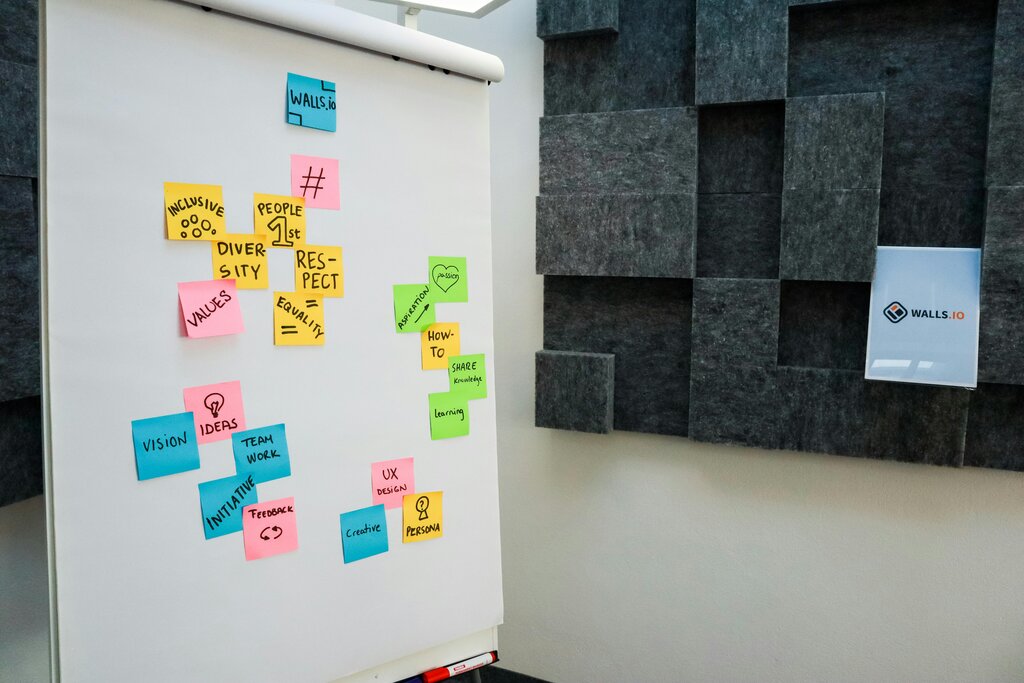
The goal isn't to memorize a list of forbidden words. It’s about developing a new awareness. It means shifting our mindset from defense ("I didn't mean any harm") to empathy ("How can I ensure my words are welcoming to everyone?").
Putting It Into Perspective
Seeing the difference between non-inclusive and inclusive language can make the concept clearer. The changes are often simple, but their impact is significant.
| Non-Inclusive Language | Inclusive Language |
|---|---|
| Hey guys, let's start the meeting. | Hey everyone, let's start the meeting. |
| A disabled person may need assistance. | A person with a disability may need assistance. |
| We need to man the booth. | We need to staff the booth. |
| The best candidate for the job... He will... | The best candidate for the job... They will... |
These examples show how small adjustments can shift the focus. Inclusive language puts the person first, avoids assumptions about gender, and uses neutral terms that apply to everyone. It’s a practice of precision and respect.
The key is to describe people as they are, not as a label. Focus on what's relevant and let go of outdated or stereotypical terms.
Adopting inclusive language is a journey, not a destination. It requires curiosity, empathy, and a willingness to learn. By making conscious choices about our words, we contribute to creating spaces where diversity isn't just present—it's celebrated.