Mastering Incident Command
Introduction to Incident Command System
Managing Chaos
When a disaster strikes—a hurricane, a large fire, or a public health crisis—dozens of different agencies rush to the scene. You might have local firefighters, state police, federal emergency teams, and non-profit aid workers all trying to help at once. Without a clear plan, this well-meaning effort can quickly turn into chaos. Who's in charge? Who's doing what? How do they talk to each other?
The Incident Command System, or ICS, is the answer to these questions. It's a standardized way to organize and coordinate emergency response. Think of it as a universal playbook that everyone uses, allowing different teams to work together smoothly and efficiently, no matter the size or type of the incident.
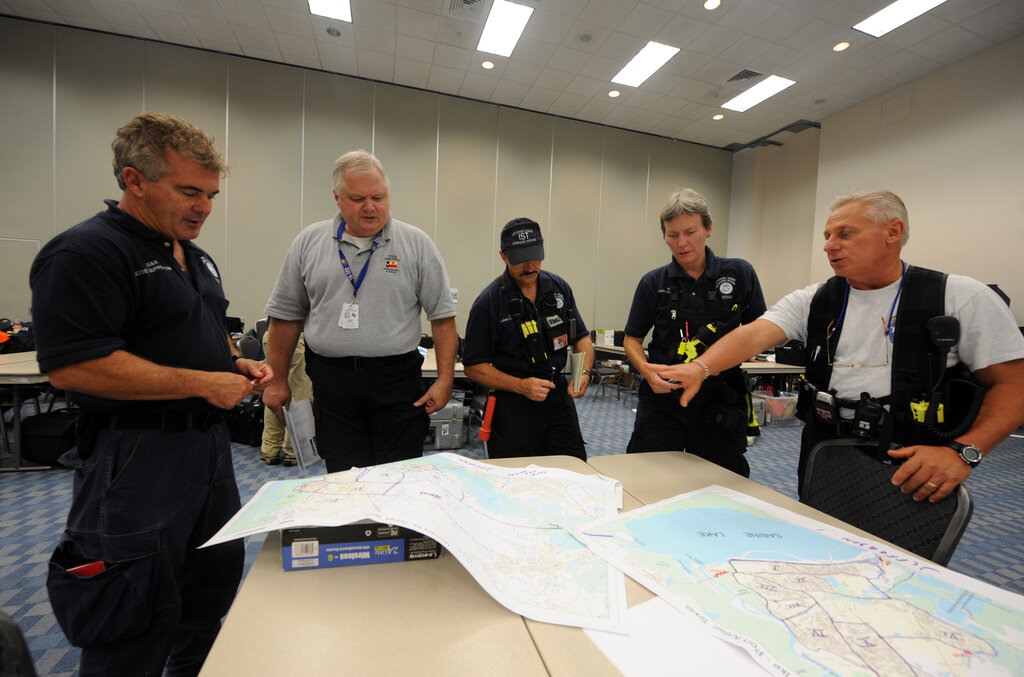
It ensures that efforts aren't duplicated and that resources are sent where they're needed most. The goal is simple: manage the incident effectively while keeping responders and the public safe.
A Lesson from Wildfires
The need for a system like ICS became painfully clear in the 1970s. A series of massive wildfires swept across California, and the response was a mess. Different fire departments used different radio frequencies, incompatible equipment, and conflicting terminology. One agency would call a piece of equipment a "truck," while another called it an "engine." Leaders from separate agencies would issue contradictory orders, creating confusion and danger.
After these devastating fires, a group of agencies came together to find a better way. They developed a system called FIRESCOPE (Firefighting Resources of California Organized for Potential Emergencies). The core of this system was a standardized management structure that could be used for any fire. It worked so well that its principles were expanded and adopted for all kinds of incidents, from floods to terrorist attacks. This was the birth of ICS.
The Building Blocks of ICS
ICS is built on a handful of powerful, common-sense principles that make it flexible and effective.
Common Terminology. Responders use standardized titles and terms for people, equipment, and facilities. This cuts through the jargon and ensures everyone is speaking the same language.
Modular Organization. The command structure is never one-size-fits-all. It starts small and expands only as needed. For a small incident, one person might cover multiple roles. For a massive one, the structure can grow to include hundreds of people in specialized positions. It's like building with LEGOs—you only use the blocks you need.
Manageable Span of Control. To prevent any one leader from becoming overwhelmed, each supervisor is responsible for just three to seven people. This keeps communication clear and workloads reasonable.
Unified Command. When multiple agencies are involved, they don't fight for control. Instead, their leaders form a single, unified command team. They work together to set objectives and make decisions, ensuring everyone is on the same page.
Incident Action Plan (IAP). Every response effort is guided by a formal plan that outlines the goals, strategies, and resources for a specific period, usually 12-24 hours. This keeps the entire operation focused and coordinated.
A Look at the Structure
The ICS organization is built around five major management functions. At the top is the Incident Commander, who has overall responsibility. The four sections that support the commander handle the core work of any response.
- Command: Sets the overall objectives and priorities.
- Operations: Conducts the hands-on tactical work to meet those objectives. This is the "doing" part of the response.
- Planning: Gathers and analyzes information to create the Incident Action Plan.
- Logistics: Finds and provides all the necessary resources, from personnel and equipment to food and shelter.
- Finance/Administration: Tracks costs, handles claims, and manages all financial aspects of the incident.
Part of a Bigger Picture
So where does ICS fit into the broader landscape of emergency management in the United States? After the September 11, 2001 attacks, the federal government created the National Incident Management System (NIMS).
NIMS is a comprehensive, nationwide framework that provides a consistent approach for all levels of government, non-profits, and the private sector to work together to manage incidents. It's the master plan.
ICS is a fundamental component of NIMS. While NIMS covers all aspects of incident management—from resource management to communications—ICS is the specific, on-scene command and control structure that NIMS requires everyone to use. In short, NIMS sets the rules of the road for national incident response, and ICS is the vehicle everyone drives.
To test your understanding of these core concepts, let's move on to a few questions.
What major problem during the 1970s California wildfires led to the development of the Incident Command System (ICS)?
An incident involves local police, a state-level emergency team, and a federal agency. Under the principle of Unified Command, how is leadership handled?