Mastering Inbox Zero with Email Automation
Understanding Inbox Zero
What Is Inbox Zero?
Your email inbox can feel like a never-ending to-do list created by other people. Every new message demands a slice of your attention, pulling you away from what you actually need to accomplish. Inbox Zero is a system for taking back control.
It’s not necessarily about keeping your inbox empty at all times. That’s a common misconception. Instead, it’s a productivity philosophy for managing the mental strain of a cluttered inbox. The goal is to spend as little time as possible thinking about email.
Inbox Zero is "a thing" created by Merlin Mann, founder of 43 Folders, that insists it is not about the amount of messages in your Outlook inbox or Gmail account, but rather how much of your brain is in that inbox.
By processing your emails efficiently, you turn your inbox from a source of stress into a simple tool for communication. The benefits are immediate: you feel less overwhelmed, can focus on your priorities, and stop worrying that you’ve forgotten an important task or message. It brings a sense of clarity and control to your workday.
A Simple Decision Framework
The core of Inbox Zero is a rapid decision-making process. Your inbox should only be a temporary holding place for unprocessed mail. For every single email that arrives, you must make a choice. Instead of letting messages pile up, you handle each one as it comes in with a clear system.
The key is to avoid reading an email and then leaving it in your inbox to deal with later. That’s how clutter happens. Instead, every time you open an email, you decide its fate immediately using one of four actions.
1. Delete (or Archive): Be ruthless. Most emails don't require action. If it's an FYI, a newsletter you won't read, or spam, just delete or archive it immediately. Don't let it linger.
2. Delegate: If the email is better handled by someone else, forward it to them right away. Once it's sent, you can archive the original message and trust that it's in the right hands.
3. Respond: If you can reply in two minutes or less, do it immediately. This prevents small tasks from piling up. Once you've sent your reply, archive the conversation.
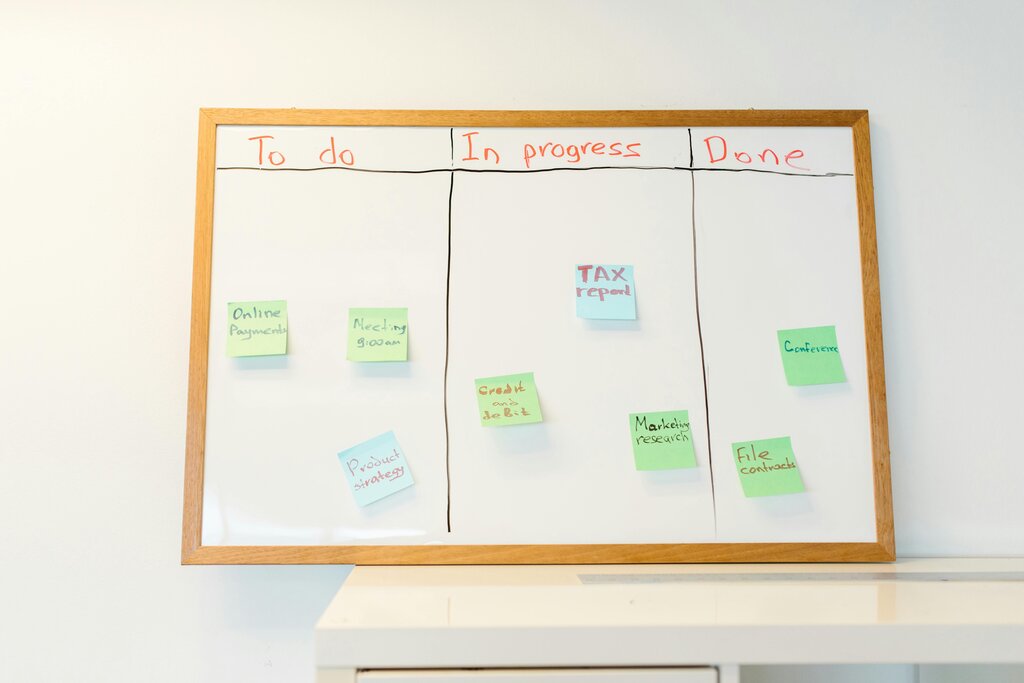
4. Defer: If an email requires a more thoughtful response or a task that will take longer than two minutes, it doesn't belong in your inbox. Move it to a dedicated to-do list, a project management tool, or your calendar. Then, archive the email. Your inbox is not your task list.
Overcoming Common Hurdles
Adopting this system can be challenging. Many people struggle with the sheer volume of incoming mail or the fear of accidentally deleting something important. Another common problem is procrastination, where we open an email, decide it's too much to handle, and leave it to fester.
The key is consistency. Set aside specific times each day to process your email rather than checking it constantly. During these blocks, focus solely on applying the decision framework. It might feel slow at first, but with practice, you'll become much faster at categorizing messages and clearing your inbox.
For the emails you need to keep for reference, use your email client’s archive function. Archiving removes the email from your inbox but keeps it searchable if you ever need it again. This helps with the “what if I need this later?” anxiety. Think of your inbox as a conveyor belt for new items and your archive as a massive, searchable filing cabinet.
The goal is to touch each email only once. Open it, decide what to do, take that action, and get it out of your inbox.
Now, let's test your understanding of these core principles.
What is the primary goal of the Inbox Zero philosophy?
You receive an email that requires a detailed task taking about an hour to complete. According to the Inbox Zero system, what should you do immediately after reading it?
By following these principles, you can transform your relationship with email. It stops being a source of constant distraction and becomes a tool that serves you, not the other way around.