Mastering Inbox Zero with Automation
Understanding Email Overload
The Constant Flood of Emails
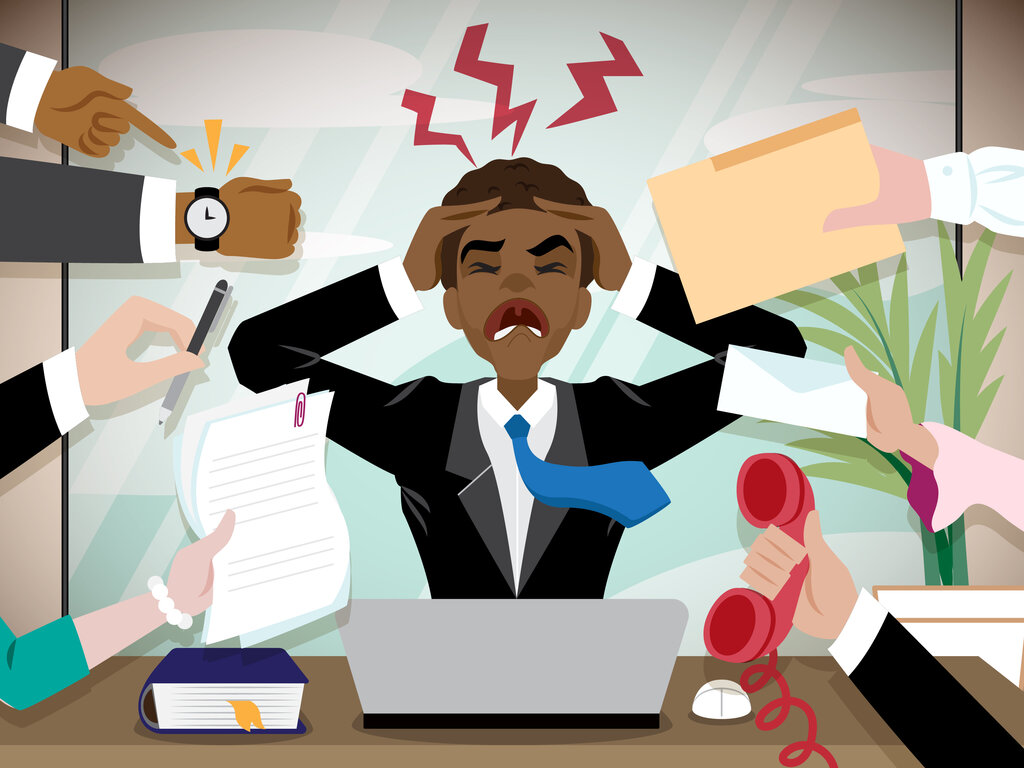
Ever open your inbox and feel a wave of exhaustion? You're not alone. This feeling is often called email overload—a state where the sheer volume of messages makes it difficult to manage them effectively. It’s the digital equivalent of trying to have a quiet conversation in the middle of a crowded, noisy room.
The numbers paint a clear picture. The average professional can receive over 120 emails per day. When you multiply that by a full work week, it's easy to see how inboxes become cluttered and unmanageable. This isn't just an inconvenience; it has real consequences.
The Hidden Costs
A messy inbox does more than just look disorganized. It directly impacts your ability to focus. Each time you switch from your work to check an email, you're performing a "context switch." Your brain has to disengage from one task and re-engage with another. Doing this dozens of times a day fragments your attention and kills deep work, making simple tasks take much longer than they should.
Beyond productivity, there's a significant mental health component. A constantly growing list of unread messages can create a persistent, low-level anxiety. It acts as a visual reminder of all the things you haven't done, leading to stress and the feeling that you're always behind.
An overstuffed email inbox can cause a lot of stress, and if our unread emails continue to pile up, the anxiety will, too.
Why Do Emails Pile Up?
Email accumulation isn't just about receiving too many messages. It's often a mix of external factors and personal habits. Understanding the root causes is the first step to finding a solution.
| Cause | Description |
|---|---|
| Notifications & Subscriptions | Automated alerts from apps and mailing lists you no longer need. |
| Unnecessary CC's | Being included in conversations for awareness, not action. |
| Inbox as a To-Do List | Leaving emails in the inbox as reminders, creating clutter. |
| Decision Fatigue | Not knowing whether to delete, archive, or respond, so you do nothing. |
Each of these factors contributes to the digital clutter. When you see an email, you have to decide what to do with it. When you have hundreds of emails, you have hundreds of decisions to make, which can be mentally exhausting before you've even started your real work.
What is the best definition of "email overload" according to the provided text?
What is the primary negative effect of "context switching" caused by frequently checking emails?
Recognizing email overload and its causes is the first crucial step. Now you can begin to build strategies to manage it.