Mastering Inbound Logistics
Introduction to Inbound Logistics
Getting Goods in the Door
Every business that makes or sells a physical product has a fundamental challenge: getting the necessary materials. This isn't just about placing an order. It's the entire process of moving raw materials, components, and supplies from a supplier into your production facility or warehouse. This whole operation is called inbound logistics.
Think of it like preparing a huge holiday dinner. You don't just buy ingredients. You have to source them from different stores, transport them home, check that you got everything you paid for, and store them correctly until you're ready to start cooking.
Inbound logistics is the starting point of the supply chain. It covers everything that happens before manufacturing or assembly begins. Getting it right is crucial, because any hiccup here can cause delays and drive up costs for the entire operation.
Inbound Logistics
noun
The management of the flow of goods and materials from suppliers into a company's production facilities, warehouses, or retail stores.
The Pieces of the Puzzle
Inbound logistics isn't a single action but a sequence of coordinated activities. Each step needs to work smoothly with the next to keep the supply chain efficient.
The main components include:
- Sourcing and Procurement: This is the process of finding suppliers, negotiating prices, and placing orders for the materials you need.
- Transportation: Once an order is placed, the goods need to be moved. This involves choosing the mode of transport (truck, train, plane, or ship), scheduling shipments, and tracking them to ensure they arrive on time.
- Receiving: When a shipment arrives, it has to be unloaded at the receiving dock. Staff then inspect the goods for damage, verify the contents against the purchase order, and officially log the items into the company's system.
- Warehousing: After being received, materials are moved to their designated storage location. This could be a warehouse, a storage yard, or a spot right on the production floor. Good organization is key to finding things quickly later.
- Inventory Management: This is the ongoing process of tracking what you have, where it is, and how much of it you're using. The goal is to have enough materials on hand to meet production needs without tying up too much money in excess stock.
Why It Matters
Managing inbound logistics effectively has a direct impact on a company's bottom line and overall efficiency. A well-oiled inbound system ensures that the right materials arrive at the right time, in the right quantity, and in good condition. This prevents costly disruptions.
Imagine a car assembly plant. If the shipment of steering wheels is delayed, the entire production line could grind to a halt. Workers would be idle, deadlines would be missed, and the company would lose money every minute the line isn't running. Good inbound logistics prevents this scenario.
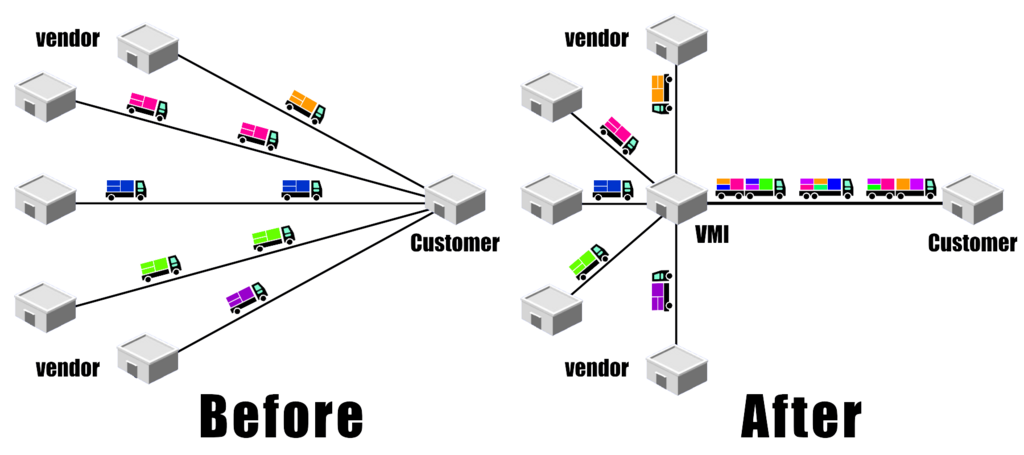
Strategic management of inbound logistics can also lead to significant cost savings. By consolidating shipments, negotiating better freight rates, and minimizing storage costs through just-in-time delivery, companies can lower their operational expenses. It also improves product quality, since a key part of the receiving process is inspecting materials for defects before they ever enter the production process.
The findings provide valuable insights for supply chain logistics optimization.
In short, inbound logistics isn't just about moving boxes. It's a critical business function that directly influences production schedules, costs, and a company's ability to deliver its final product to customers.
What is the primary focus of inbound logistics?
Which of the following activities is NOT considered a core component of inbound logistics?