Mastering Impulse Control and Lust
Neurobiology of Lust
The Wanting Brain
At the heart of lust isn't just a simple desire, but a powerful motivation circuit in the brain. This system is designed to make us seek out things essential for survival, like food, water, and reproductive opportunities. Two key areas run this show: the (VTA) and the Nucleus Accumbens (NAc).
The VTA, nestled in the midbrain, acts like a sensor, detecting potential rewards. When it spots something promising, it floods the Nucleus Accumbens with the neurotransmitter dopamine. This dopamine surge doesn't just create a feeling of pleasure, or 'liking.' More importantly, it generates intense 'wanting'—a powerful motivational drive to pursue the perceived reward. It’s the engine of craving, compelling you to take action.
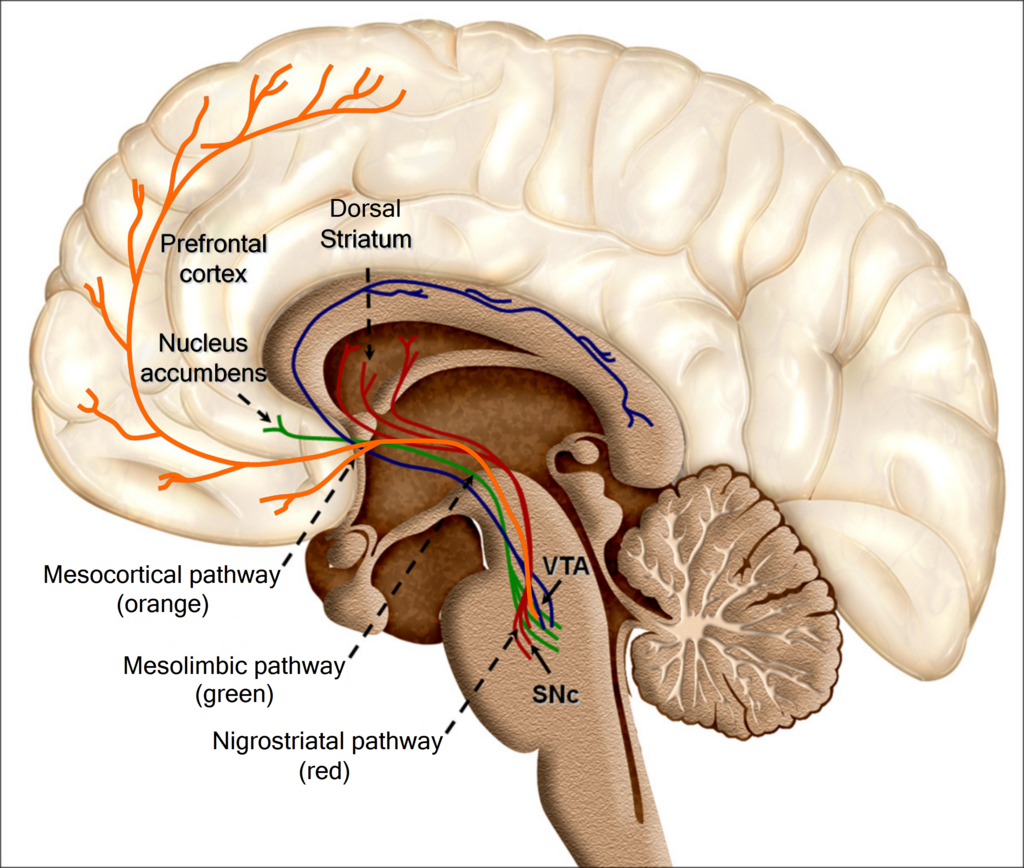
This is the crucial distinction: the reward system is less about the enjoyment of a reward ('liking') and more about the motivation to get it ('wanting').
Dopamine's Two Speeds
Dopamine doesn't operate at a single, constant level. It has two distinct modes: tonic and phasic. Understanding the difference is key to understanding the intensity of lustful urges.
Tonic dopamine is your baseline level. It’s the slow, steady drip that maintains your general mood, alertness, and motivation throughout the day. Think of it as the cruising speed of your motivational engine. A healthy tonic level keeps you engaged and interested in life.
Phasic dopamine is a different beast entirely. It's a rapid, massive spike that occurs in response to a specific, unexpected, or highly rewarding trigger. This is the burst you get when you see an alluring image or have a sudden lustful thought. This surge hijacks your attention, making the object of your desire seem like the most important thing in the world.
| Feature | Tonic Dopamine | Phasic Dopamine |
|---|---|---|
| Release | Slow, steady background level | Rapid, short-lived burst |
| Trigger | General state, no specific cue | Unexpected or rewarding cues |
| Function | Maintains general motivation | Creates intense, focused desire |
| Feeling | Normal mood and engagement | Urgent craving, 'gotta have it' |
| Analogy | Engine idling | Pressing the accelerator |
When a lustful trigger appears, your brain unleashes a phasic dopamine spike. This surge overpowers your baseline tonic level, creating a powerful signal that says, "Drop everything and pursue this!" This is the biological reality behind why impulses can feel so difficult to resist in the moment.
The Brain's Braking System
If the reward system is the accelerator, the (PFC) is the brake. Located at the very front of your brain, the PFC is the seat of your executive functions. It's responsible for long-term planning, rational decision-making, and, most importantly, impulse control. It's the part of your brain that considers consequences and aligns your actions with your goals and values.
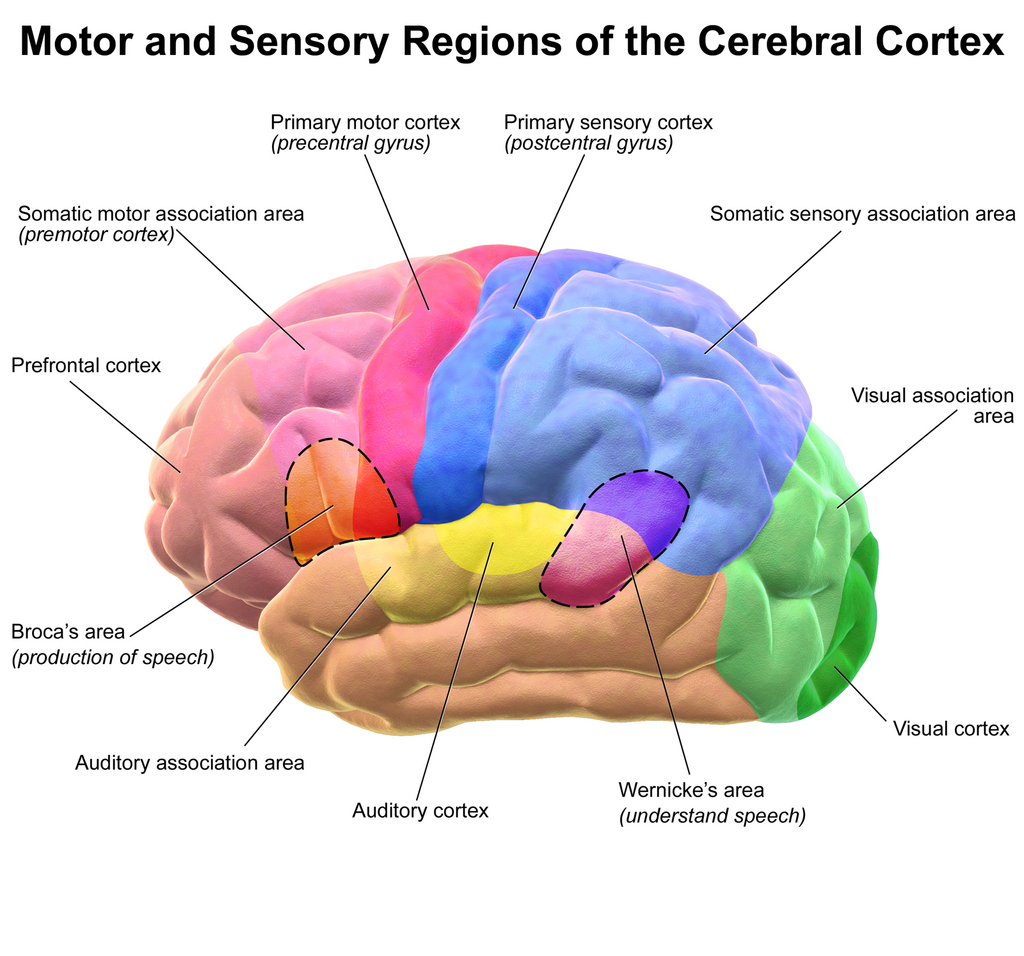
The battle for self-regulation is a very real neurological tug-of-war. The primitive, fast-acting reward circuit screams "Yes, now!" while the more deliberate, slower PFC attempts to say, "Wait, let's think about this." When the PFC is tired, stressed, or underdeveloped, the reward system often wins, leading to impulsive actions that go against your better judgment.
Carving Compulsive Loops
The brain is not static; it constantly rewires itself based on your experiences. This principle, known as neural plasticity, is summed up by the phrase: "Neurons that fire together, wire together." Each time you act on a lustful impulse triggered by a phasic dopamine spike, you strengthen the neural pathway connecting that trigger to that response.
Repeatedly giving in to a specific trigger digs a deeper and deeper groove in your brain, making the response more automatic and compulsive over time. This is how a simple urge can morph into a powerful habit loop.
This process is amplified by the brain's inherent craving for novelty, a phenomenon known as the s. The reward system responds more strongly to new stimuli than to familiar ones. A novel trigger produces a larger phasic dopamine spike, making it more exciting and harder to resist. This novelty-seeking drive explains why lust can feel insatiable, always seeking the next new thing to get that powerful dopamine hit. The brain's reward circuitry is essentially hijacked, creating a cycle of seeking and craving that can be difficult to break.
Understanding these biological mechanisms is the first step toward regaining control. It's not a matter of weak willpower, but of a well-designed survival circuit operating exactly as it's supposed to, sometimes to our detriment in the modern world.
What are the two primary brain areas that form the core of the reward and motivation circuit described?
Your baseline level of general alertness and mood throughout the day is maintained by a slow, steady drip of...