Mastering ICD-10 Coding
Introduction to ICD-10
The Language of Health
Every time you visit a doctor, information is recorded. Your symptoms, the doctor's diagnosis, and the treatment plan all become part of your medical record. But how can we make sense of this information on a larger scale, across millions of patients, hundreds of hospitals, and dozens of countries?
For centuries, people have tried to systematically classify diseases. Early attempts were simple lists of causes of death, helping cities track the plagues and illnesses that afflicted their populations.
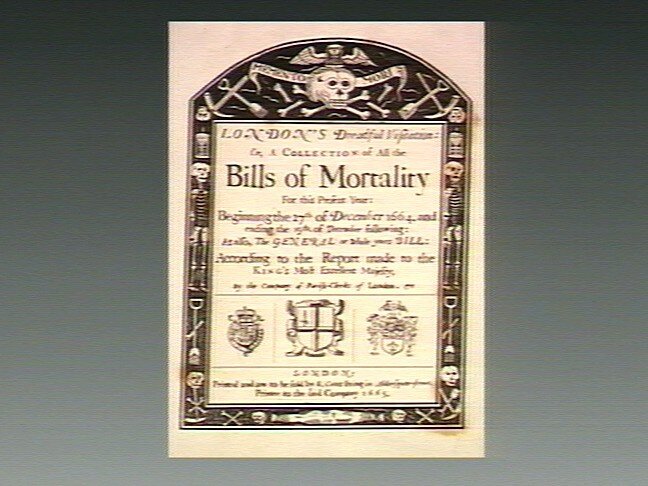
Today, we use a much more sophisticated system: the International Classification of Diseases, or ICD. Maintained by the World Health Organization (WHO), the ICD provides a common language for reporting and monitoring diseases. This allows public health experts to track health trends globally, from flu outbreaks to the prevalence of diabetes.
The version used in the United States and many other countries is the tenth revision, ICD-10. It’s the standard for everything from insurance billing to government health statistics. Think of it as a massive dictionary that assigns a unique code to every injury, disease, and cause of death.
Anatomy of a Code
At first glance, an ICD-10 code might look like a random string of letters and numbers. But there’s a clear structure at play. Codes are alphanumeric and can be three to seven characters long.
Let’s break down an example: S52.501A
- S52: This part identifies the general injury. The 'S' section is for injuries to a specific body part, and 'S52' narrows it down to a fracture of the lower arm.
- .501: These characters add more detail. In this case, they specify an unspecified fracture of the radial styloid process, which is a part of the wrist bone.
- A: This final character is an extension that indicates the phase of care. 'A' means this is the initial encounter for the injury.
The codes are organized into 22 chapters, mostly based on body systems (like the circulatory or respiratory system) or condition types (like cancer or infectious diseases). This logical grouping helps healthcare professionals find the correct code efficiently.
By using this structured system, a complex diagnosis can be translated into a short, standardized code that is understood everywhere.
The Upgrade to ICD-10
Before 2015, the United States used a much older system, ICD-9. The switch to ICD-10 was a major undertaking, but it was necessary. Modern medicine had advanced, and the old coding system couldn't keep up with the level of detail needed.
ICD-9 codes were mostly numeric and had a rigid structure, which limited the number of possible codes. The system was running out of room. ICD-10 introduced an alphanumeric format that dramatically expanded the number of available codes, allowing for far greater specificity.
| Feature | ICD-9 | ICD-10 |
|---|---|---|
| Number of Codes | ~14,000 | ~68,000 |
| Code Format | 3-5 characters, mostly numeric | 3-7 characters, alphanumeric |
| Specificity | Limited | High detail |
| Structure | Rigid | Flexible |
This increased detail is the most important change. An ICD-9 code might tell you a patient broke their arm. An ICD-10 code can specify which arm, which bone, the exact location of the fracture, and whether the doctor is seeing the patient for the first time or for a follow-up visit.
This level of precision is vital. For insurance companies, it justifies medical procedures and ensures proper reimbursement. For doctors and researchers, it provides a richer dataset to study diseases and evaluate the effectiveness of treatments. Accurate coding leads to better data, which ultimately leads to better healthcare.
Thorough Documentation Is Essential: Detailed clinical notes from providers are the foundation for accurate coding.
Let's review the key concepts from this section.
Ready to test your knowledge?
What is the primary purpose of the International Classification of Diseases (ICD) system?
In the ICD-10 code S52.501A, what does the final character 'A' typically signify?
Understanding the purpose and structure of ICD-10 is the first step in appreciating its central role in the healthcare system.