Mastering Hypnosis Techniques
Introduction to Hypnosis
The Roots of Hypnosis
Hypnosis has a long and colorful history, starting long before it had a name. Ancient cultures used trance-like states for healing and religious ceremonies. But the modern story often begins in the 18th century with a German doctor named Franz Mesmer.
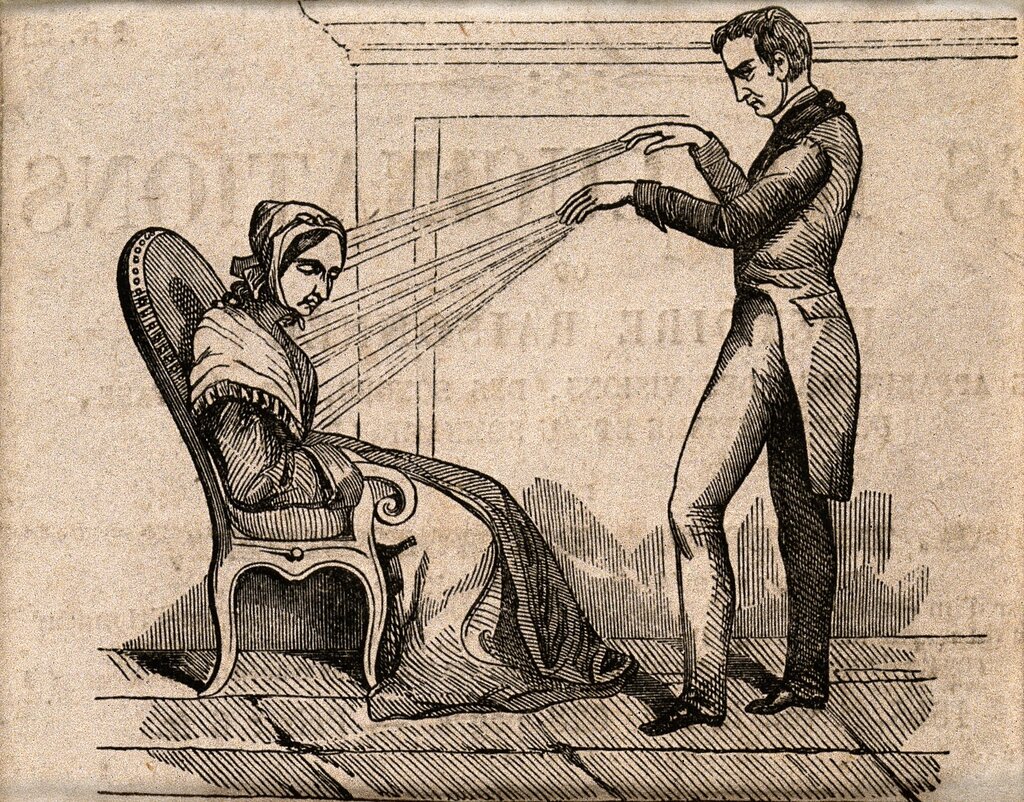
Mesmer believed in a force he called “animal magnetism,” an invisible fluid that flowed through the body. He thought sickness was caused by blockages in this flow, and he could cure people by redirecting it with magnets and his hands. His dramatic sessions, known as mesmerism, became a sensation in Paris. While the theory of animal magnetism was later debunked, Mesmer had stumbled upon the power of suggestion.
It wasn't until the 1840s that a Scottish surgeon named James Braid coined the term “hypnosis,” from the Greek word hypnos, meaning “sleep.” Braid realized the state wasn't sleep at all, but a form of intense, focused concentration. His work helped move the practice away from spectacle and toward scientific study.
How Hypnosis Works
So what exactly is hypnosis? It's a state of highly focused attention and concentration, often associated with relaxation and heightened suggestibility. Think of it like being so absorbed in a movie or a book that the world around you fades away. You're not asleep or unconscious; you're just directing your mental spotlight inward.
Suggestibility
noun
The quality of being inclined to accept and act on the suggestions of others.
There are two main ideas about how this works. The "state" theory suggests hypnosis is a unique, altered state of consciousness, different from normal waking awareness. The "non-state" theory argues that it's not a special state at all, but rather a combination of psychological factors like focused attention, expectation, and a willingness to follow suggestions.
Regardless of the theory, the key psychological mechanism is a bypass of the critical factor of the mind. This is the part of your conscious mind that analyzes and questions information. During hypnosis, this filter becomes less active, allowing suggestions to be accepted more readily by the subconscious mind.
Imagine your conscious mind is a gatekeeper. Hypnosis doesn't knock the gatekeeper out; it just distracts them for a moment so a helpful message can slip through.
Physiologically, hypnosis often triggers the relaxation response. This is the opposite of the "fight or flight" response. Heart rate and breathing may slow down, and blood pressure might decrease. Brain imaging studies have shown changes in brain activity during hypnosis. Areas involved in attention, filtering information, and self-awareness show altered patterns of activation. For example, activity often increases in the prefrontal cortex (related to focus) while decreasing in areas that process incoming sensory information.
Myths and Realities
Stage shows and movies have created a lot of confusion about hypnosis. Let's clear up a few common myths.
| Myth | Reality |
|---|---|
| You lose control. | You are always in control and can come out of hypnosis anytime you want. You won't do anything against your will or values. |
| You are asleep or unconscious. | You are awake and aware, just deeply relaxed and focused. You often remember everything that happened. |
| Only weak-minded people can be hypnotized. | The ability to be hypnotized is actually linked to intelligence, creativity, and the ability to concentrate. |
| The hypnotist has special powers. | The hypnotist is a guide. They use their skills to help you achieve a state of focused attention, but all hypnosis is ultimately self-hypnosis. |
Contrary to popular belief, hypnosis does not involve losing control or being in a deep sleep-like state; instead, it heightens suggestibility while maintaining awareness and control.
Ethical Practice
Because hypnosis involves a state of heightened suggestibility, it must be practiced ethically and responsibly. A key principle is informed consent. A practitioner must explain the process, its potential benefits and risks, and what the client can expect. The client must agree to be hypnotized freely, without coercion.
Confidentiality is also critical, just as it is in any other therapeutic relationship. A trained professional respects the client's privacy and maintains professional boundaries. They should also have the competence to practice, meaning they have received proper training and credentials. This ensures they know how to use hypnosis safely and effectively, and when it is or isn't appropriate for a particular issue.
Ready to test your knowledge?
Who is credited with coining the term “hypnosis,” shifting the practice away from theories of “animal magnetism” and toward scientific study?
According to the text, what is the key psychological mechanism that allows suggestions to be accepted more readily during hypnosis?
Understanding the basics of hypnosis separates fact from fiction, revealing a powerful tool for focused change rooted in psychology and physiology.