Mastering HSK63 Tooling Systems
Introduction to HSK63 Tooling
Meet HSK63 Tooling
In high-speed CNC machining, the connection between the machine's spindle and the cutting tool is critical. A weak or imprecise link can lead to vibrations, poor surface finishes, and inaccurate parts. This is where HSK tooling comes in. The name HSK is an abbreviation for the German Hohlschaftkegel, which translates to "hollow shank taper."
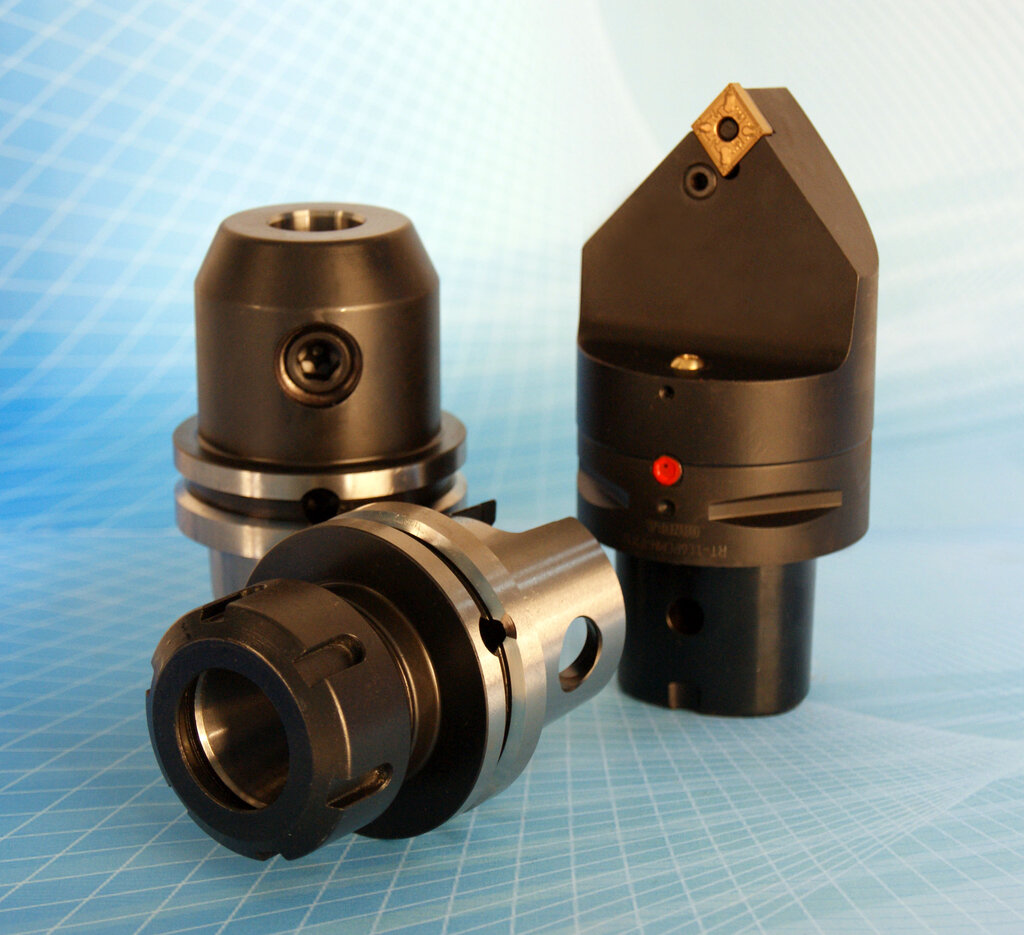
This name perfectly describes its core design. Unlike older, solid tool holders, the HSK system features a hollow, tapered shank. The HSK63 is a specific size within this family, widely used for its balance of strength and speed capabilities.
Designed for Speed and Precision
The genius of the HSK design lies in how it uses physics to its advantage. Traditional tool holders, like the CAT or BT types, rely only on the friction of a long taper to hold the tool in the spindle. At very high rotational speeds, centrifugal force can cause the spindle to expand slightly, loosening its grip on the tool holder. This can lead to tool pull-out, vibration, and a loss of accuracy.
The HSK system solves this problem with its hollow shank and simultaneous fit on both the taper and the flange face. As the spindle rotates at high speeds, it expands. However, the hollow shank of the HSK holder expands with it, actually tightening the grip. This dual contact ensures the holder remains rigidly locked against the spindle face, providing exceptional stability even at tens of thousands of RPM.
This results in several key advantages.
| Feature | Traditional Tooling (CAT/BT) | HSK63 Tooling |
|---|---|---|
| Rigidity | Good | Excellent |
| Speed Capability | Limited by taper loosening | Very High |
| Accuracy | High | Very High |
| Tool Change Time | Slower (longer drawbar travel) | Faster (shorter design) |
The superior rigidity means the cutting tool deflects less under load, allowing for more aggressive cuts and a better surface finish on the final part. The system's balance and stability are what enable the incredible speeds modern CNC machines can achieve.
Applications in Industry
The benefits of HSK63 tooling make it a go-to choice in demanding industries where speed and precision are non-negotiable.
In aerospace manufacturing, parts are often machined from tough, expensive materials like titanium and high-strength aluminum alloys. HSK63 provides the rigidity needed to cut these materials efficiently while holding the tight tolerances required for critical aircraft components.
In the automotive industry, speed is essential for mass production. HSK holders allow machines to run faster, reducing cycle times for parts like engine blocks, transmission components, and suspension parts. The consistent accuracy also ensures that every part is interchangeable and meets quality standards.
Mold and die making is another key area. The intricate surfaces of a mold for a car bumper or a smartphone case must be perfect. The high rotational speed and stability of HSK tooling allow for the use of small-diameter tools to create fine details with an excellent surface finish, often reducing the need for lengthy and costly manual polishing.
By providing a more secure and reliable connection, HSK63 tooling enables manufacturers to push the limits of their CNC machines, producing higher quality parts faster than ever before.
What does the German term Hohlschaftkegel, the basis for the acronym HSK, translate to in English?
What is the primary advantage of the HSK system's hollow shank design at very high rotational speeds?