Mastering Horror Writing
Introduction to Horror Genre
What Is Horror?
The horror genre aims to do one thing: make you feel. Specifically, it wants to evoke fear, dread, disgust, or shock. It's the art of the unsettling, designed to tap into our deepest anxieties and primitive fears. While we might think of horror as a modern invention of cinema, its roots run deep into human storytelling.
Long before movies, people shared scary stories around campfires. These tales often evolved into folklore and myths filled with monsters and dark forces. The literary horror genre as we know it began to take shape with Gothic literature in the late 18th century. Stories like Mary Shelley's Frankenstein (1818) and Bram Stoker's Dracula (1897) moved beyond simple ghost stories to explore complex themes of science, humanity, and societal fears.
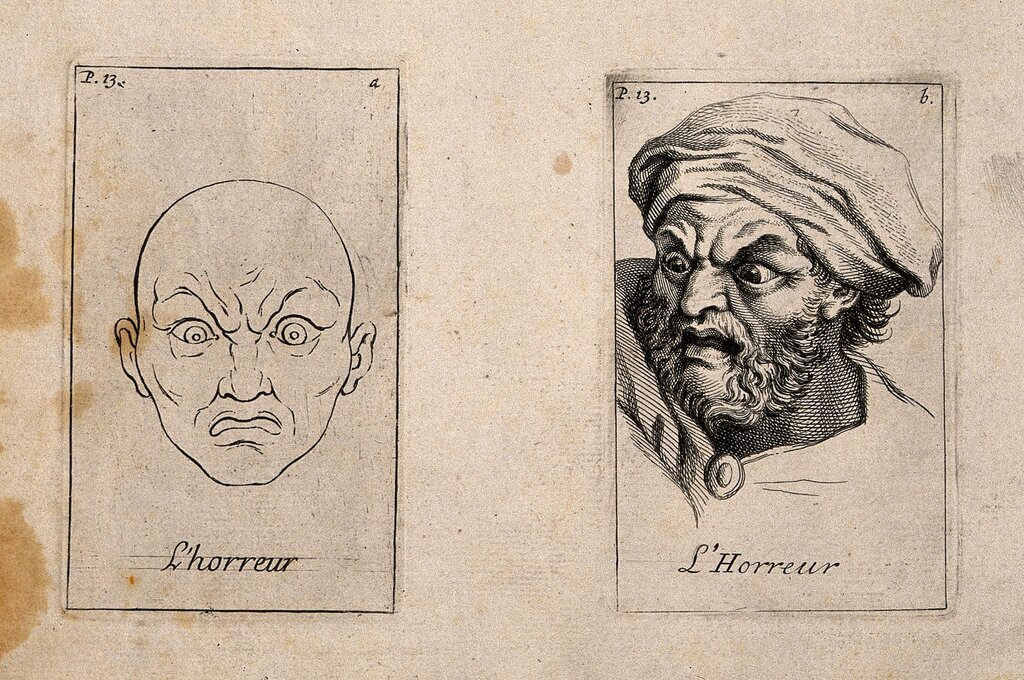
Gothic literature is one of the most influential and enduring genres in literary history, offering a unique blend of fear, beauty, and psychological depth.
These early works laid the foundation for horror by establishing an atmosphere of suspense and exploring the darker side of human nature.
The Many Faces of Fear
Horror isn't a single, uniform thing. It's a vast landscape with many different ways to scare you. Understanding its subgenres helps explain how different stories achieve their terrifying effects.
Psychological Horror This subgenre plays with the mind. Instead of relying on jump scares or gore, it builds suspense and dread through atmosphere, unreliable characters, and emotional instability. The fear comes from what you don't see, forcing your imagination to fill in the terrifying blanks. It's the feeling that something is deeply wrong, even if you can't quite put your finger on it.
Supernatural Horror Here, the threat comes from beyond the natural world. Ghosts, demons, curses, and other paranormal phenomena are the sources of fear. This subgenre taps into ancient fears of the unknown and what might lie beyond death. It breaks the rules of our reality, making us feel powerless against forces we can't comprehend or fight with conventional means.
Slasher Films A more modern and direct subgenre, the slasher typically features a killer who stalks and murders a group of people, one by one. The fear is visceral and immediate. Unlike the slow burn of psychological horror, slashers often rely on suspenseful chase scenes and graphic violence to create a sense of peril. The threat isn't a ghost; it's a very real person with a weapon.
Why We Love to Be Scared
It seems strange to seek out an experience that makes us feel terrified. So why do we buy tickets for horror movies or read scary books? One major reason is the appeal of a safe thrill. Like riding a rollercoaster, watching a horror movie allows us to experience intense emotions like fear and anxiety from the safety of our couch or a theater seat. We know the threat isn't real, which allows for a release of tension at the end. This emotional release is often called catharsis.
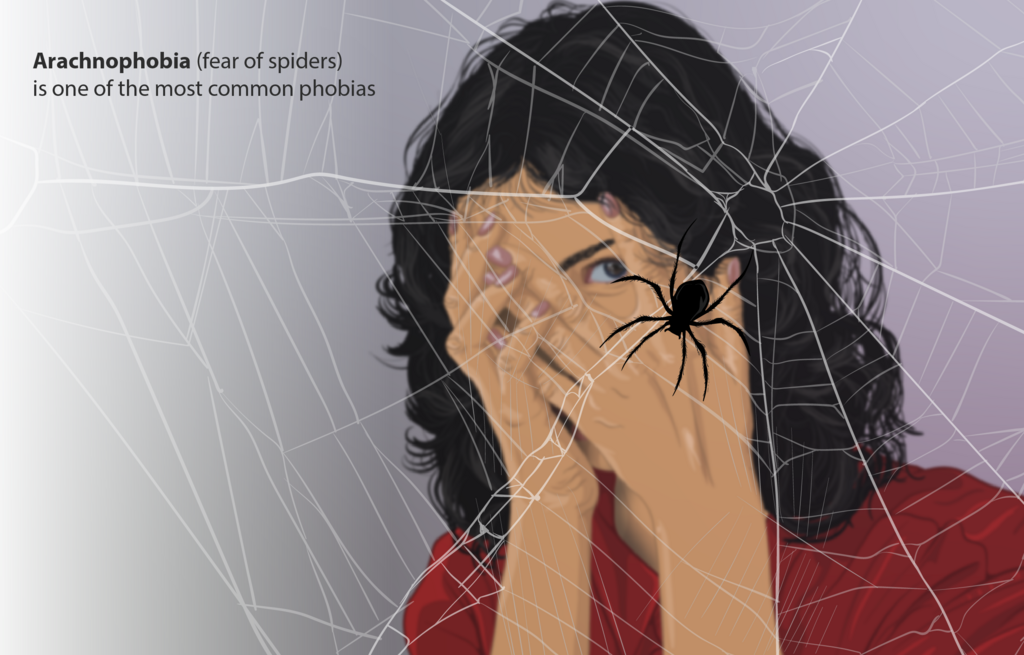
Horror also acts as a mirror for society's anxieties. The monsters in these stories often represent what a culture fears at a specific time. The giant atomic monsters of 1950s cinema reflected Cold War fears of nuclear annihilation. Zombie apocalypses can explore anxieties about pandemics, social collapse, and consumerism. By confronting these fears in a fictional context, we can process them and explore them in a manageable way.
Let's review some of the key ideas we've covered.
Ready to test your knowledge?
What is the primary goal of the horror genre?
The literary horror genre as we know it today has its roots in which 18th-century movement?
From Gothic castles to suburban hauntings, horror continues to evolve, reflecting our changing world and the timeless fears that make us human.