Mastering Homemade Ramen
Ramen Broth Basics
The Soul of the Bowl
The secret to amazing ramen isn’t the noodles or the toppings. It’s the broth. A great ramen broth is a complex, layered soup that can take hours, or even days, to perfect. It's what gives each bowl its distinct personality.
Most broths are a combination of two key parts. First is the base stock, often called dashi. This is a clear soup, usually made by simmering ingredients like chicken, pork, seafood, and vegetables. Second is the tare, a concentrated seasoning that acts as the primary flavoring agent. The type of tare used defines the ramen.
Shio
Shio, meaning “salt,” is the oldest and simplest style of ramen seasoning. The tare is made primarily of salt, creating a light, clear, and delicate broth. Don't let its simplicity fool you, though. A well-made shio broth is clean but deeply flavorful, allowing the subtle notes of the underlying dashi, typically made from chicken or seafood, to shine through.
Shio ramen is all about clarity and nuance. The salt enhances the flavors of the base stock without overpowering them.
Shoyu
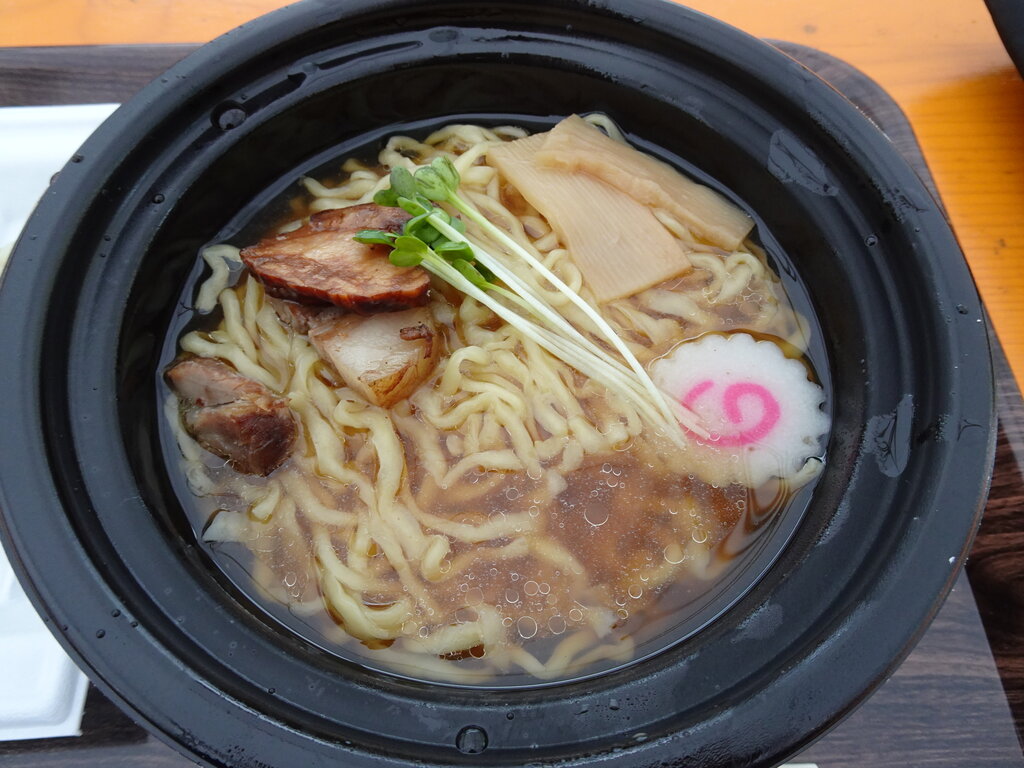
Shoyu, or soy sauce, is the most common tare in Japan. It gives the broth a clear brown color and a tangy, savory flavor that’s both familiar and satisfying. Shoyu can be paired with almost any kind of dashi, from light chicken to richer pork stocks, making it incredibly versatile. The result is a balanced bowl that hits all the right savory notes.
Miso
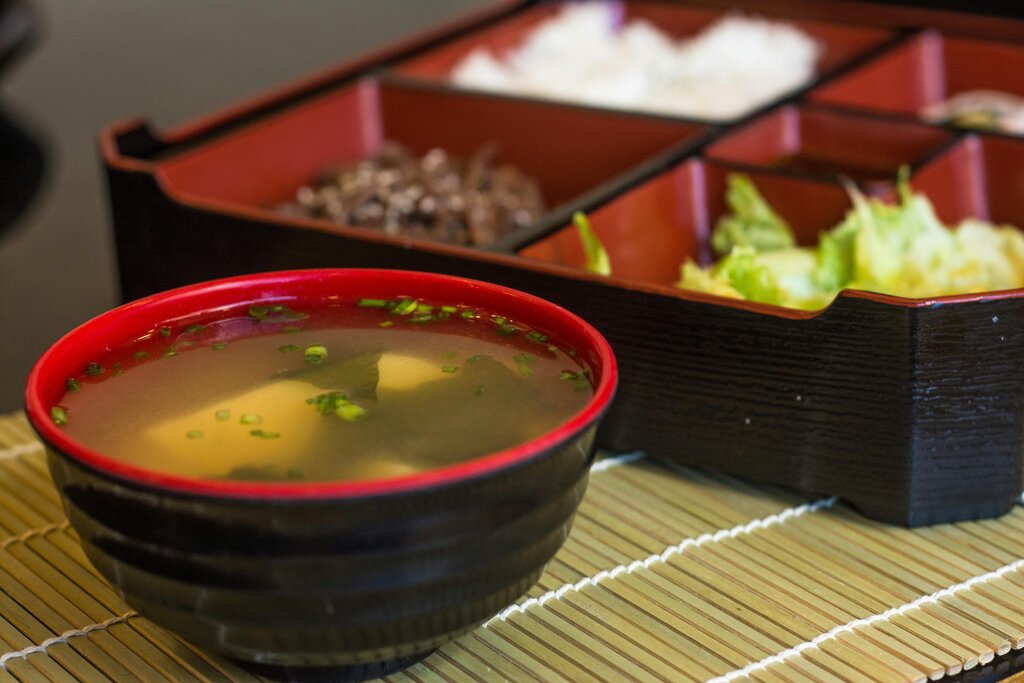
Miso ramen is a relative newcomer, originating from the northern island of Hokkaido. The tare is made from miso, a fermented soybean paste that brings a powerful punch of complex, nutty, and slightly sweet flavors. This results in a much heartier, opaque broth. Because miso paste is so robust, it's often blended into a rich chicken or pork stock.
fermented soybean paste
Tonkotsu
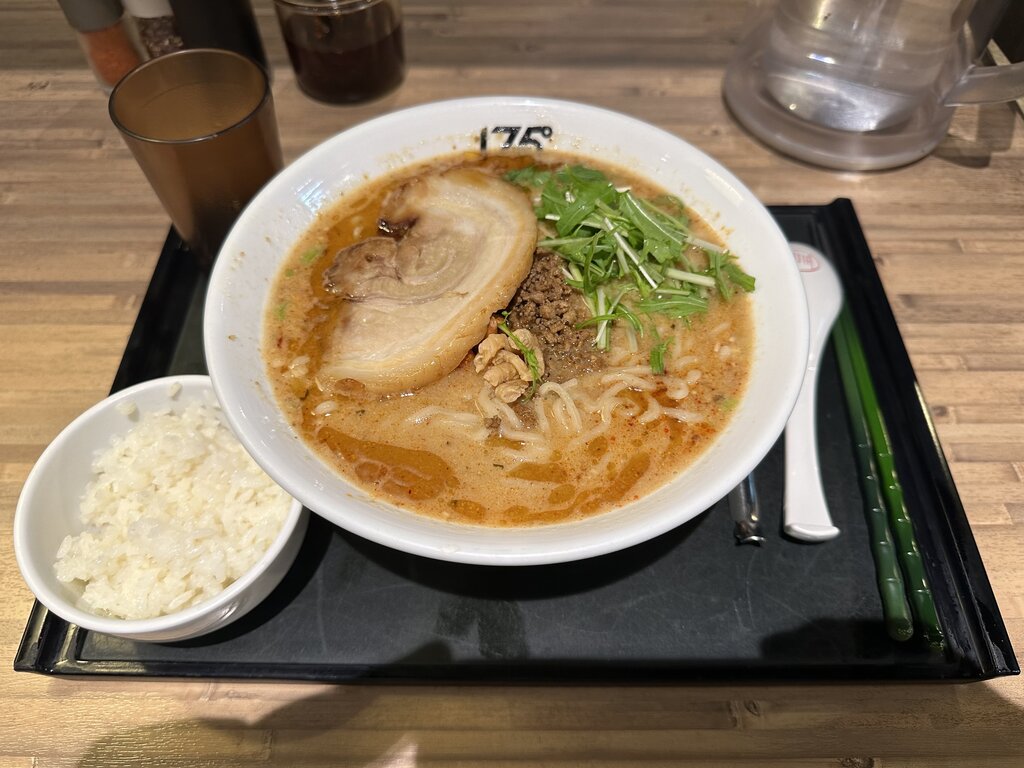
Tonkotsu is in a league of its own. Unlike the others, its name doesn't refer to the tare, but to the broth itself. Tonkotsu means “pork bones,” and that’s exactly what this broth is made from. Pork bones are boiled at a rolling boil for many hours, sometimes over 12, until the collagen and fat break down and emulsify. This process creates an incredibly rich, creamy, and opaque white broth with a deep, porky flavor. A tare, often shio or shoyu, is still added for seasoning, but the tonkotsu broth is the star of the show.
Restaurants build deep flavor through long simmering broths – a technique this slow cooker ramen brilliantly adapts for home kitchens.
Aromatics
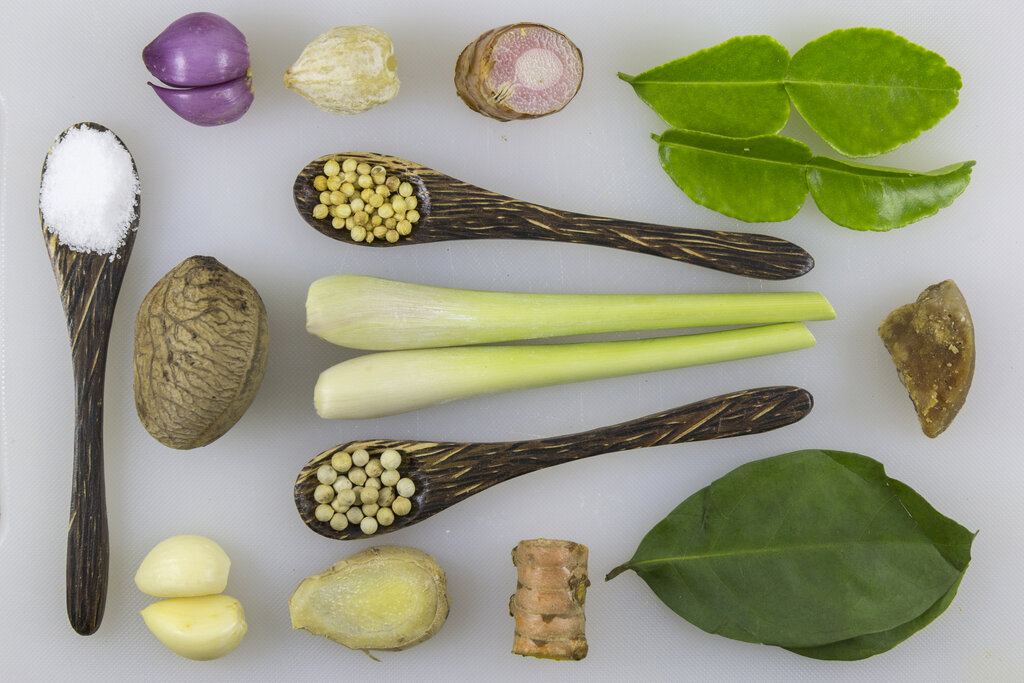
No matter the type, ramen broths rely on aromatics to build layers of flavor. These are ingredients added to the dashi or infused into oils to finish the dish. Common aromatics include kombu (dried kelp), which provides a deep umami base, along with garlic, ginger, scallions, and shiitake mushrooms. They add depth and complexity, turning a simple soup into something truly special.
Now that you understand the foundation of a great bowl of ramen, you can start to appreciate the craft that goes into each style.