Mastering Homemade Pizza
Pizza Dough Basics
The Heart of the Pizza
Every great pizza starts with a great foundation: the dough. Before we get to sauce or cheese, we need to master the simple, living base that gives pizza its signature chew and flavor. It’s a craft that combines a little bit of science with a lot of feel, but the ingredients themselves are surprisingly basic.
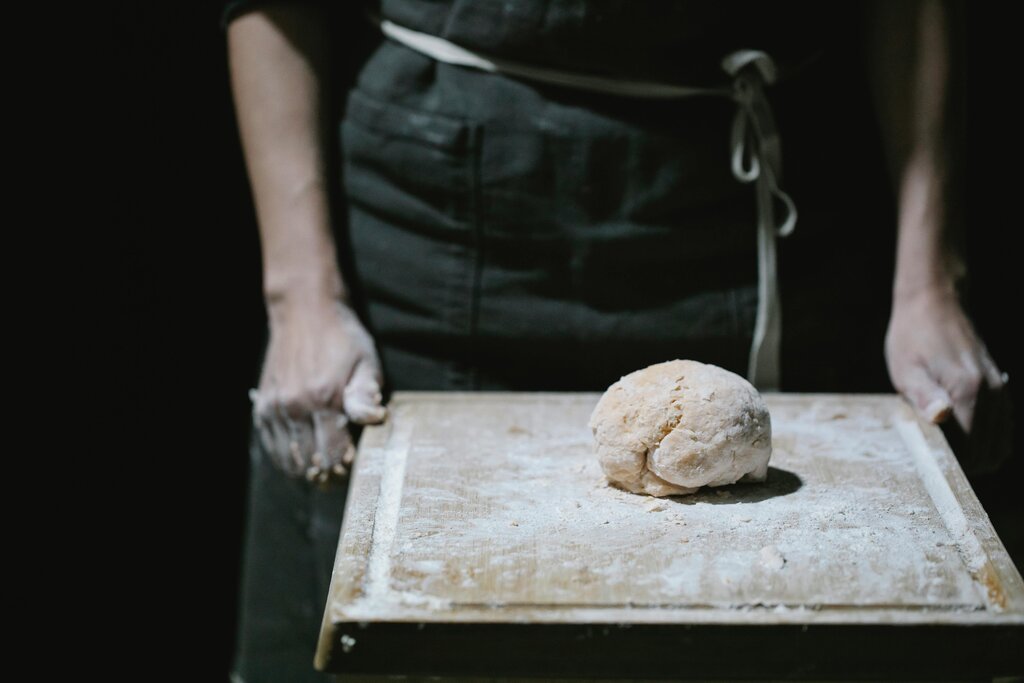
Think of it as bringing five simple ingredients to life. Each one has a distinct job, and when they work together, they create something magical. We're talking about flour, water, yeast, salt, and a touch of olive oil.
Your Cast of Characters
Understanding what each ingredient does is the key to controlling your dough.
Flour is the backbone. It contains proteins that, when mixed with water, form gluten. Gluten is an elastic network of proteins that traps gas, giving the dough its structure and chewiness. Think of it as the frame of a house.
Water brings everything together. It hydrates the flour, activating the gluten proteins and waking up the yeast. The amount of water, known as hydration, affects the dough's stickiness and the final crust's texture. More water often means a lighter, airier crust.
Yeast is the magic ingredient. It’s a living organism that eats the sugars in the flour and releases carbon dioxide gas and alcohol. This process, called fermentation, is what makes the dough rise and gives it a complex, delicious flavor.
yeast
noun
A single-celled microorganism that converts sugars into alcohol and carbon dioxide gas through fermentation.
Salt does more than just add flavor. It also controls the yeast, preventing it from working too quickly and over-fermenting the dough. Plus, it strengthens the gluten network, making the dough more elastic and less sticky.
Olive Oil is optional, but highly recommended. It adds a wonderful flavor and helps to tenderize the crust, giving it a softer, richer texture.
The Magic of Kneading
Once you’ve mixed your ingredients, the real work begins. Kneading is the physical process of working the dough to develop that crucial gluten network. At first, your dough will be a shaggy, sticky mess. As you knead, you're encouraging the gluten strands to line up, cross-link, and form a strong, elastic web.
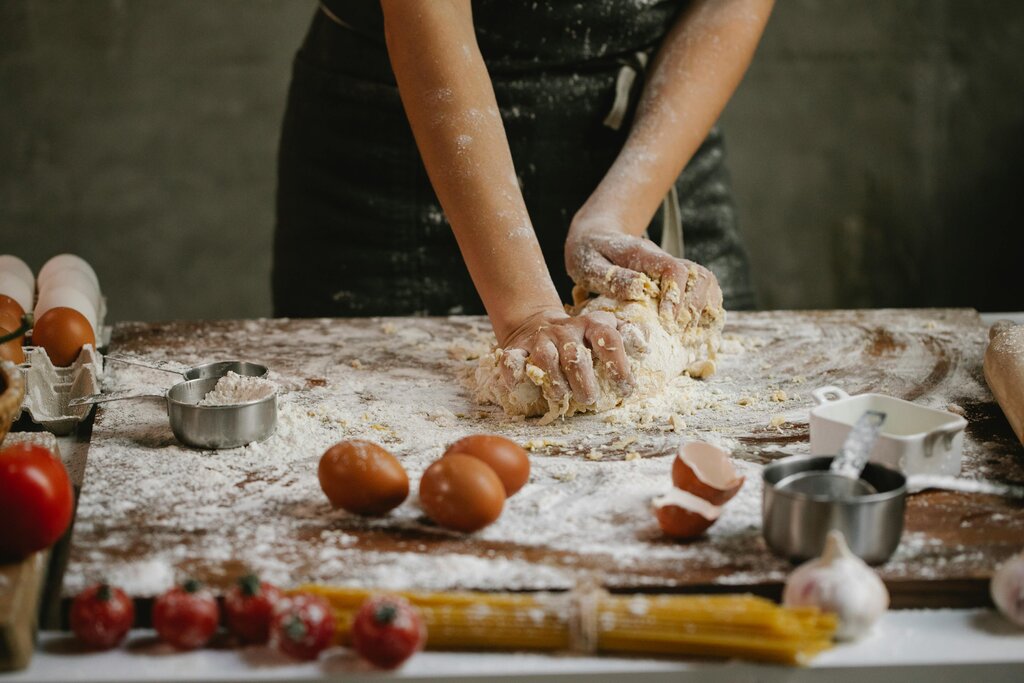
Imagine thousands of tangled threads. Kneading organizes them into a smooth, stretchy fabric. This fabric is what will trap the gas bubbles produced by the yeast, allowing your dough to rise beautifully. You’ll know your dough is well-kneaded when it's smooth, slightly tacky, and can be stretched thin enough to see light through it without tearing. This is called the "windowpane test."
The kneading process typically takes about 8-12 minutes by hand. The goal is a smooth, elastic ball of dough.
Patience is a Virtue
After kneading, the dough needs to rest and rise. This stage is called proofing or bulk fermentation. During this time, the yeast gets busy eating sugars and inflating the dough with carbon dioxide. This isn't just about making the dough bigger; it's also where most of the flavor develops. The alcohol and other compounds created by the yeast give the final crust its character.
The first rise after mixing, where wild yeast and bacteria work to leaven and flavor the dough.
Temperature is your main controller here. A warm spot (around 75-80°F or 24-27°C) will speed up the yeast's activity, and your dough will rise faster. A cooler spot, like your refrigerator, will slow things down significantly. This slow, cold fermentation can develop even deeper, more complex flavors over 24 to 72 hours.
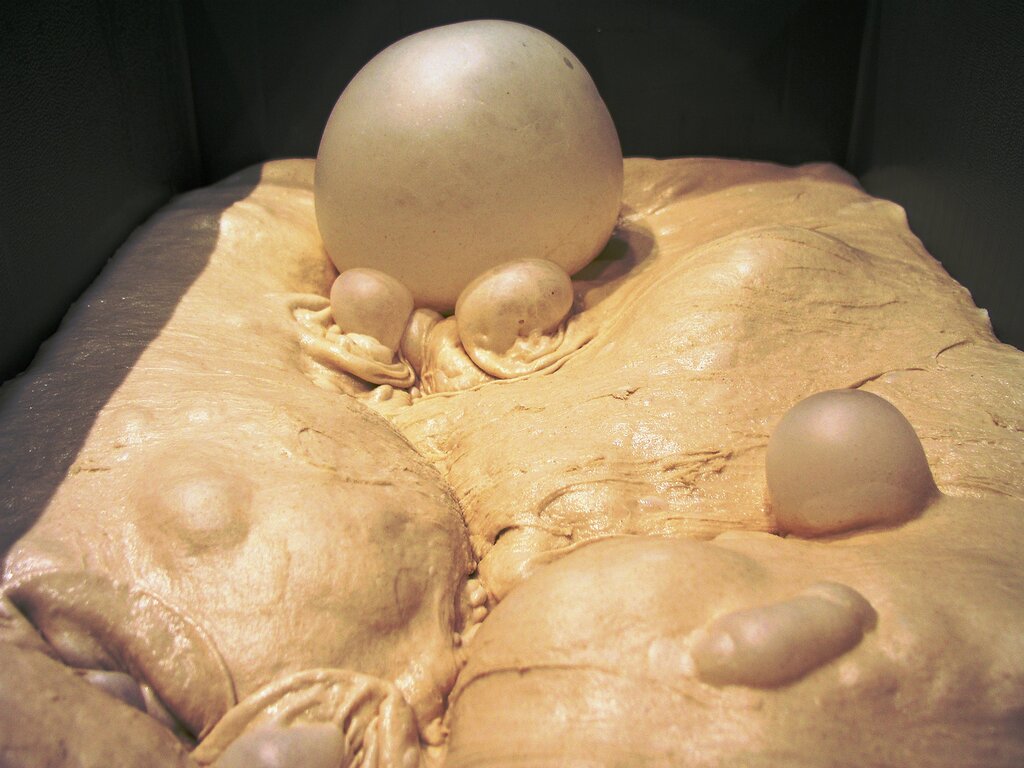
For a basic rise, you’re looking for the dough to roughly double in size. You can test it by gently poking a floured finger into the dough. If the indentation springs back immediately, it needs more time. If it springs back slowly and leaves a small indent, it’s ready. If it collapses, it has over-proofed.
Mastering these simple steps—mixing the right ingredients, developing gluten through kneading, and patiently letting the dough proof—is the key to unlocking fantastic homemade pizza.