Mastering Homemade Pizza
Understanding Pizza Dough
The Soul of the Pizza
Great pizza starts with great dough. It's the foundation for everything that comes after. Forget the sauce and cheese for a moment; the texture and flavor of the crust are what truly set a pizza apart. Luckily, you only need four simple ingredients to create something amazing: flour, water, salt, and yeast.
Mastering dough is about understanding how these ingredients work together. It’s a little bit of science and a little bit of feel. Let’s break it down.
Choosing Your Flour
Not all flours are created equal. The key difference lies in their protein content. When flour mixes with water, these proteins form gluten. Think of gluten as a stretchy, elastic web that traps the gas produced by yeast. More protein means more gluten, which leads to a chewier crust.
gluten
noun
A network of proteins formed when flour is mixed with water, giving dough its elasticity and structure.
Here are the most common choices for pizza dough:
| Flour Type | Protein Content | Best For... |
|---|---|---|
| "00" Flour | Varies (11-12.5%) | A classic Neapolitan pizza with a soft, tender crust that has a slight crispness. It's very finely milled, which changes how it absorbs water. |
| Bread Flour | High (12-14%) | New York-style pizza. The high gluten content creates a crust that is strong, chewy, and satisfyingly foldable. |
| All-Purpose Flour | Medium (10-12%) | A versatile, all-around option. It produces a crust that's softer and less chewy than one made with bread flour, but it's reliable and easy to find. |
Yeast and Fermentation
Yeast is the living ingredient that breathes life into your dough. It's a single-celled fungus that feeds on the sugars in flour. As it eats, it releases carbon dioxide gas and alcohol in a process called fermentation. The gas gets trapped in the gluten network, causing the dough to rise and creating the airy, hole-filled structure of a good crust. The alcohol and other byproducts contribute complex, bready flavors.
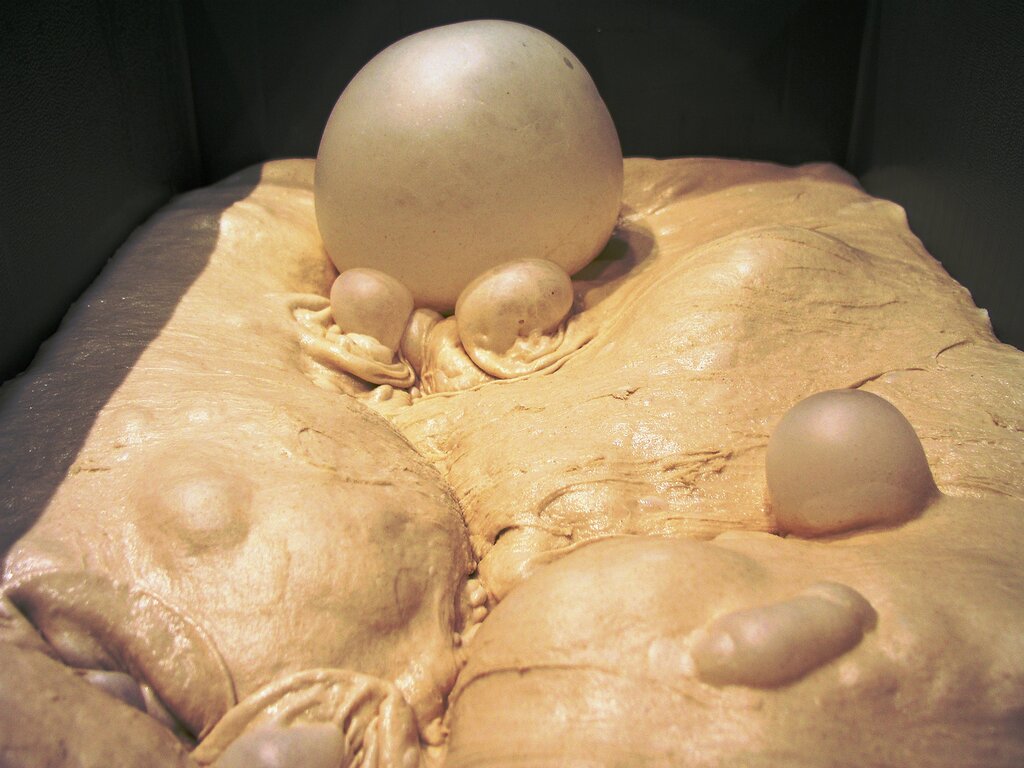
You'll likely encounter two main types of yeast: Active Dry and Instant. Active dry yeast needs to be dissolved in warm water to "wake it up" before mixing, while instant yeast can be mixed directly with your dry ingredients. Both work well, but instant yeast often works a little faster.
Kneading and Proofing
This is where you get your hands dirty. Kneading is the physical process of working the dough to build that strong, elastic gluten network we talked about. Without it, your dough would be a sticky mess, unable to hold its shape or trap the gas from the yeast.
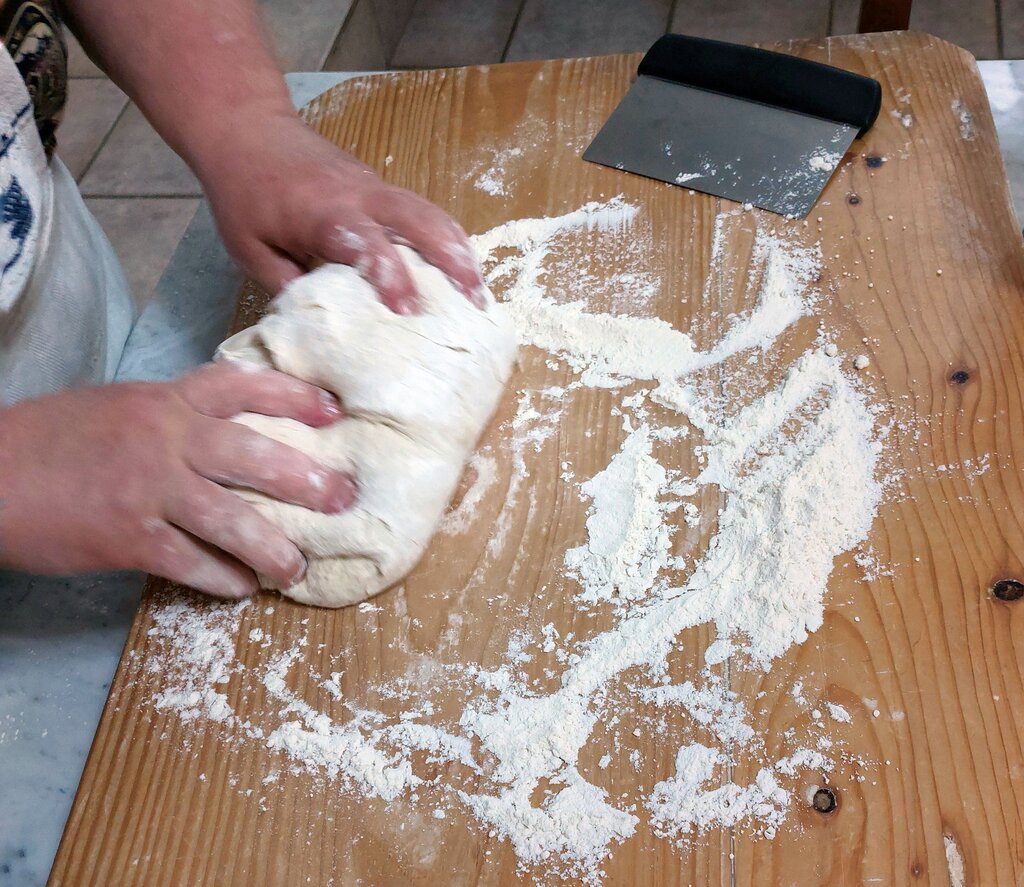
How to Knead: On a lightly floured surface, push the dough away from you with the heel of your hand. Then, fold it in half toward you and give it a quarter turn. Repeat this push, fold, and turn motion for about 10-15 minutes. The dough should transform from a shaggy, sticky ball into a smooth, elastic one.
Once kneading is done, it's time to let the dough rest. This is called proofing (or the first rise). You place the dough in a lightly oiled bowl, cover it, and leave it in a warm spot. During this time, the yeast ferments and the dough will double in size. This first proof typically takes 1-2 hours and is crucial for developing flavor and texture.
The first rise after mixing, where wild yeast and bacteria work to leaven and flavor the dough.
The Role of Hydration
Hydration simply refers to the amount of water in your dough relative to the amount of flour. It's expressed as a percentage. For example, if you use 1000g of flour and 650g of water, your dough has a 65% hydration.
Why does this matter? Higher hydration doughs are stickier and harder to handle, but they result in a lighter, airier crust with bigger holes. Lower hydration doughs are stiffer and easier to work with, producing a denser, tighter crumb. A good starting point for pizza dough is around 60-65% hydration.
Ready to test your knowledge?
What is the primary function of protein in flour when making pizza dough?
During the process of fermentation, what does yeast produce that causes the dough to rise?
With these fundamentals, you're well on your way to making incredible pizza dough from scratch. It all begins with understanding these core components.