Mastering Home Theater Surround Sound
Introduction to Surround Sound
Beyond Stereo
For decades, listening to audio at home meant two speakers: one on the left and one on the right. This is called stereo, and it does a decent job of creating a sense of space. But what if you could hear the sound not just in front of you, but all around you?
That's the magic of surround sound. It's an audio system that uses multiple speakers placed around the listener to create a three-dimensional soundscape. The goal isn't just to make things louder; it's to create a realistic and immersive experience. Instead of just watching a car chase, you feel like you're in the middle of it, with cars whizzing past you from front to back. A quiet scene in a forest comes alive with the subtle rustle of leaves behind you and birds chirping to your side.
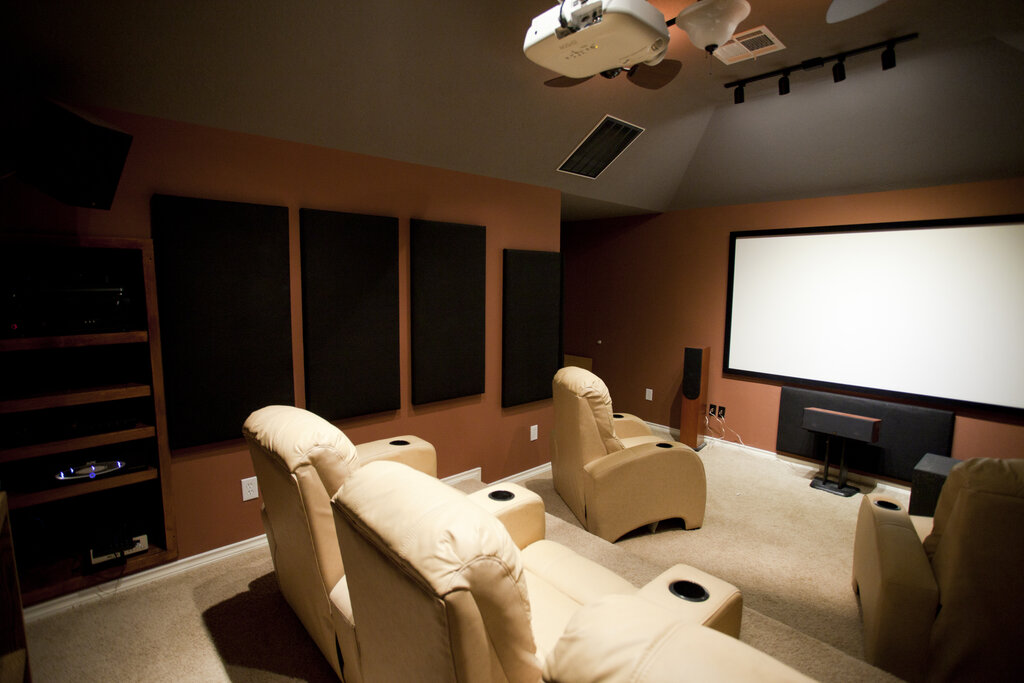
A Quick Trip Through Time
The idea of surrounding the audience with sound isn't new. Movie theaters began experimenting with multiple speakers as early as the 1940s to create more dramatic presentations. For a long time, however, these systems were complex and expensive, reserved only for epic films in big-city cinemas.
The concept trickled into home audio in the 1970s with quadraphonic sound, which used four speakers. It was a step in the right direction but never truly caught on due to competing formats and technical limitations. It wasn't until the rise of home video formats like VHS and later DVD that surround sound became a practical and popular choice for home entertainment.
The Building Blocks
A modern surround sound system has a few key components that work together. At the heart of it all is the Audio/Video (AV) receiver.
Think of the AV receiver as the brain and power station of your home theater. It takes in signals from your Blu-ray player, game console, or streaming device, decodes the surround sound information, and sends the right audio to the right speaker.
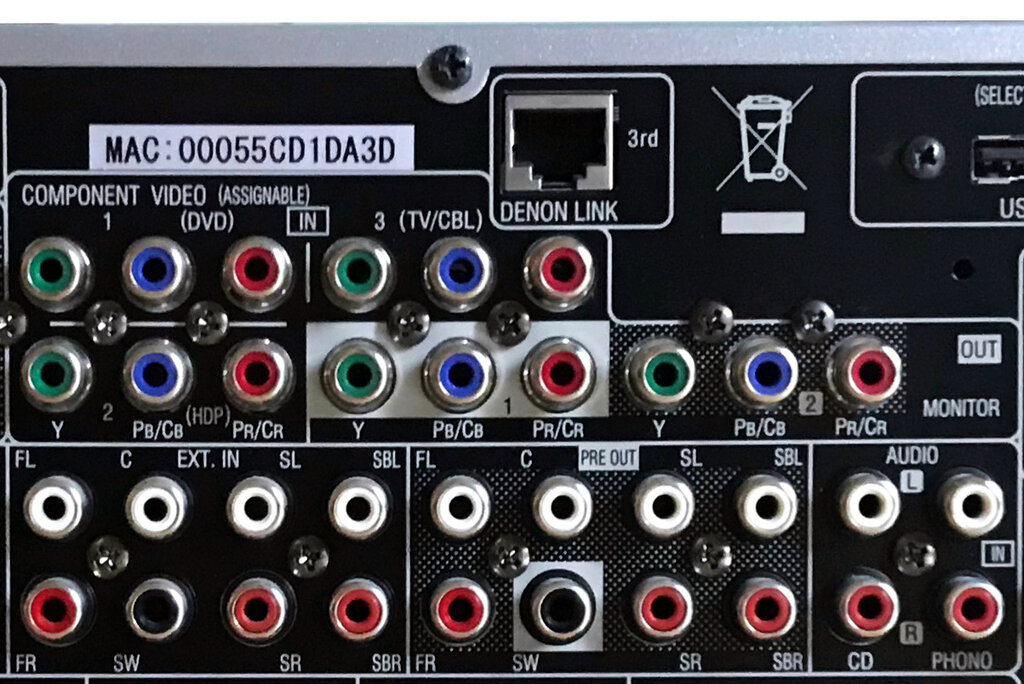
The other essential parts are, of course, the speakers. A basic setup, known as a 5.1 system, includes:
- Front Left and Right Speakers: These handle most of the musical score and primary sound effects, much like a standard stereo system.
- Center Channel Speaker: This is arguably the most important speaker for movies. It's dedicated almost exclusively to dialogue, ensuring voices come through clearly, even during chaotic action scenes.
- Surround Speakers: Placed to the sides or behind you, these speakers create the ambient and directional effects that make the experience immersive. This is where you'll hear the rain, the background chatter in a crowd, or a spaceship flying past.
- Subwoofer: The ".1" in 5.1. This speaker is designed to reproduce very low-frequency sounds, often called LFE (Low-Frequency Effects). It's responsible for the deep rumbles and explosions that you feel as much as you hear.
Why It's Worth It
Setting up more speakers might seem like a hassle, but the payoff is significant. The biggest advantage is immersion. By placing you in the middle of the action, surround sound makes movies, TV shows, and video games far more engaging and realistic. A horror movie becomes scarier when you hear a floorboard creak behind you, and an action movie becomes more thrilling when you can hear bullets whizzing by your head.
Another key benefit is clarity. With a dedicated center channel, you'll never have to ask "What did they just say?" again. Dialogue remains crisp and anchored to the screen, separate from the music and sound effects happening in the other speakers. It transforms your viewing from a passive experience into an active one.
Time to check your understanding.
In a 5.1 surround sound system, what is the primary role of the center channel speaker?
What does the ".1" in a "5.1" channel system refer to?
With these fundamentals in mind, you're ready to explore how these systems are set up and fine-tuned to create the perfect home theater experience.