Mastering Home Organization and Information Management
Understanding Organization Principles
The First Step Is Letting Go
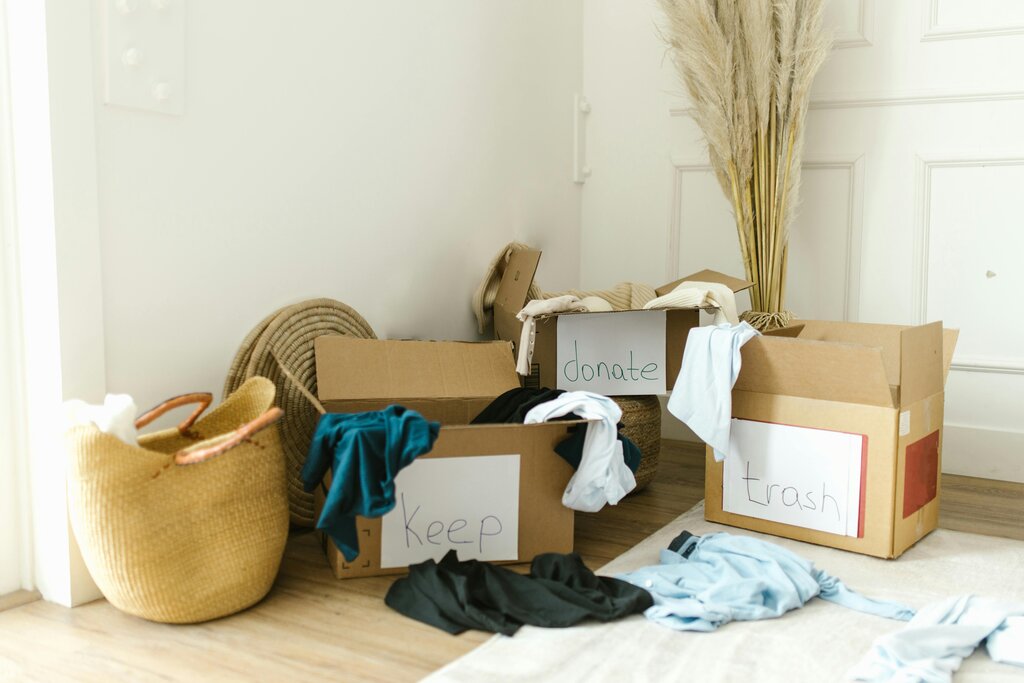
Before you can organize anything, you need to decide what's worth keeping. A structured environment begins with less clutter, not just better-arranged clutter. The goal is to clear out what you don’t need so you have room for what you do.
Start your organization process by decluttering.
Sorting through your belongings is the first, most crucial step. By evaluating each item, you can make intentional choices about what stays and what goes. This process isn't just about tidying up; it's about defining what's truly valuable to you.
Two Paths to a Tidy Space
Different methods can guide you through the decluttering process. Two popular approaches are the KonMari method and the FlyLady system, each offering a unique philosophy on how to create and maintain order.
The KonMari method, created by Marie Kondo, is a category-based system. Instead of cleaning room by room, you tackle all your clothes at once, then all your books, and so on. The core principle is to keep only the items that “spark joy.”
This emotional connection to your belongings helps you make decisive choices. If an item doesn't bring you happiness or serve a clear purpose, you thank it for its service and let it go. It's a mindful approach that focuses on curating a home filled with things you love.
The FlyLady system, on the other hand, is all about building habits. It breaks down home management into small, manageable steps to avoid feeling overwhelmed. This method encourages establishing daily and weekly routines to keep your home consistently clean and organized.
Create Functional Zones
A core principle in both systems is the idea of creating zones. A zone is an area designated for a specific activity. Your entryway might be a zone for coats, shoes, and mail. A corner of your living room could be a reading zone with a comfy chair, a lamp, and a small bookshelf.
By assigning a purpose to each part of your home, you ensure that every item has a logical place to live. This makes it easier to find things when you need them and, more importantly, makes it effortless to put them away. When everything has a home, clutter has nowhere to settle.
Organize your home by creating dedicated zones for specific activities.
Thinking in zones helps you see your space not just as rooms, but as a collection of functional areas tailored to your life. It transforms a messy kitchen counter into a dedicated food prep station, a coffee bar, and a spot for your planner.
Make Your Furniture Work Harder
To maximize space, especially in smaller homes, multipurpose furniture is a powerful tool. An ottoman can provide seating, serve as a coffee table, and offer hidden storage for blankets or board games. A bed with built-in drawers eliminates the need for a separate dresser.
Choosing furniture that serves more than one function is a smart way to get the most out of every square foot. It allows you to reduce the total number of items in a room, creating a more open and less cluttered feel without sacrificing functionality.
These foundational principles—decluttering, creating zones, and using space wisely—set the stage for a truly organized environment. They help you build a system that's easy to maintain because it’s designed around your life.