Mastering High Intensity Interval Training
Anaerobic Physiology Foundations
Beyond the Steady State
High-Intensity Interval Training (HIIT) pushes the body into a physiological state that steady-state cardio rarely touches. While aerobic exercise relies on a constant supply of oxygen to metabolize fat and carbohydrates for fuel, HIIT forces your systems to generate massive amounts of energy without sufficient oxygen. This is the world of anaerobic conditioning.
When you perform an all-out sprint, your muscles' demand for ATP—the body's energy currency—skyrockets. The aerobic system is powerful but too slow to meet this sudden, massive need. To bridge the gap, the body switches to two rapid-fire anaerobic pathways: the Phosphagen system and the Glycolytic system.
Immediate Explosive Power
For the first few seconds of maximal effort, from a single heavy lift to the start of a 100-meter dash, your muscles rely on the phosphagen system. This is your most immediate energy reserve. It uses stored Adenosine Triphosphate (ATP) and a high-energy molecule called Phosphocreatine (PCr) to instantly regenerate ATP.
Think of it as a small, pre-filled canister of nitrous oxide for your muscles. It provides a massive, immediate power surge, but the supply is extremely limited, lasting only about 10-15 seconds. Once this reserve is depleted, your body must turn to another, slightly slower anaerobic system to continue the high-intensity effort.
This phosphagen system is the fastest way to regenerate ATP, supplying energy for maximal efforts lasting approximately 10 to 15 seconds.
The rapid regeneration of ATP via the phosphagen system is what allows for explosive, powerful movements.
The High-Intensity Burn
As the phosphagen system fades, the glycolytic pathway takes over. This system breaks down glucose (from stored muscle glycogen) to produce ATP without oxygen. Glycolysis can fuel intense efforts lasting from about 15 seconds up to two minutes. It's the dominant energy system during a 400-meter sprint or a tough set of 15-20 reps in the gym.
A key byproduct of this rapid, anaerobic glucose breakdown is lactate. For decades, lactate was mistakenly blamed for muscle soreness and viewed as a metabolic waste product. We now know it's a crucial fuel source. Lactate can be shuttled to the liver and converted back into glucose (via the Cori cycle), or it can be used directly by other muscle fibers, including the heart, for energy.
The burning sensation you feel during intense exercise is caused by the accumulation of hydrogen ions, which are produced alongside lactate, lowering the pH in your muscles. The point at which lactate production exceeds your body's ability to clear it is called the Lactate Threshold (LT). A primary goal of HIIT is to raise this threshold, allowing you to sustain higher intensities for longer before fatigue sets in.
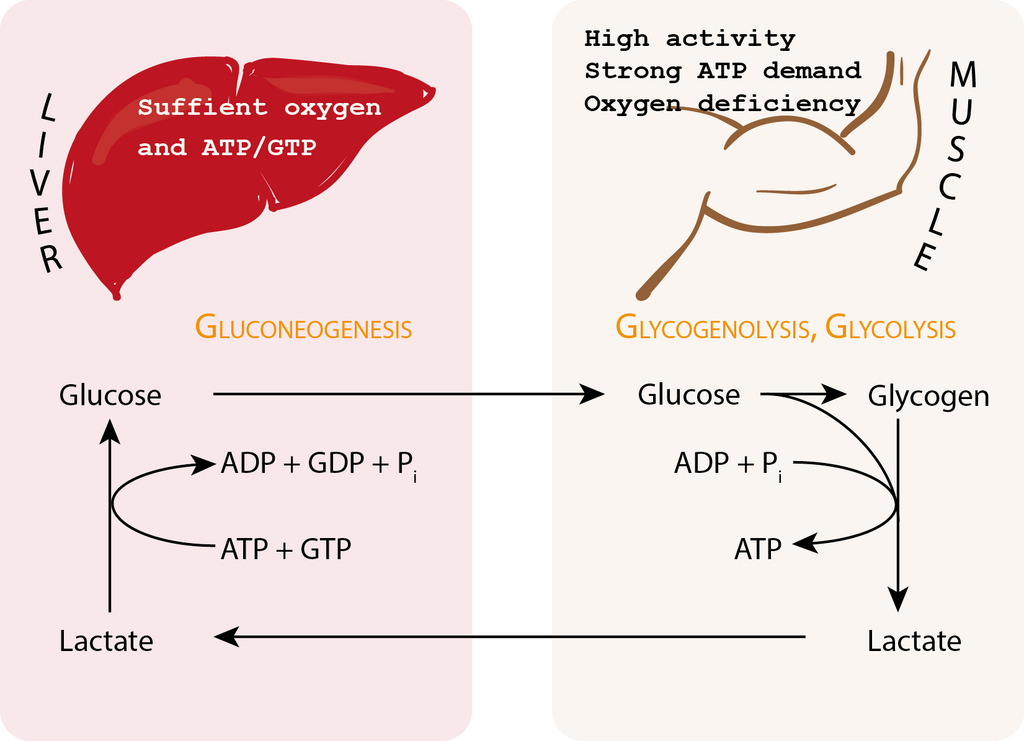
Training at or near this threshold forces your body to become more efficient at both buffering acidity and utilizing lactate as fuel.
The Afterburn and Cellular Upgrades
One of the most significant benefits of HIIT is what happens after the workout ends. The intense anaerobic effort creates a massive oxygen debt. Your body must work hard to restore itself to its normal resting state—a process known as Excess Post-exercise Oxygen Consumption (EPOC). This
afterburn effect means your metabolic rate remains elevated for hours, as your body works to replenish ATP and phosphocreatine stores, clear accumulated metabolic byproducts, and repair muscle tissue. This contributes significantly to total energy expenditure.
At a cellular level, HIIT is a powerful stimulus for adaptation. The high-energy stress triggers a process called mitochondrial biogenesis—the creation of new mitochondria. More mitochondria mean a greater capacity for aerobic energy production, improving your overall endurance. Essentially, anaerobic training makes your aerobic engine bigger and more efficient.
Finally, the heart itself adapts. Unlike the volume overload of steady-state cardio which tends to stretch the heart's chambers, the intense pressure spikes of HIIT cause a
pressure overload. This stimulates the heart muscle (myocardium) to grow stronger and thicker, similar to how skeletal muscles adapt to resistance training. This adaptation allows the heart to contract more forcefully, pumping more blood with each beat.
These interlocking adaptations are why HIIT is such a time-efficient method for improving both anaerobic power and aerobic capacity.
Time to test what you've learned about the body's high-intensity engine.
During a high-intensity interval training (HIIT) workout, which energy systems are predominantly used to meet the immediate, massive demand for ATP?
The phosphagen system, which provides immediate energy for explosive movements, primarily uses stored ATP and what other high-energy molecule?
By understanding these anaerobic pathways, you can better appreciate how different training styles create specific physiological changes, allowing you to train with greater purpose.