Mastering Heat Treatment Processes
Introduction to Heat Treatment
Shaping Materials with Fire
Think about cooking. Applying heat to an egg transforms it from a liquid into a solid. A potter fires clay in a kiln to turn a soft pot into a hard, durable piece of ceramic. In a similar way, engineers use heat to fundamentally change the properties of materials like metals and alloys.
This process is called heat treatment. It's a group of industrial processes that involve the controlled heating and cooling of a material to alter its internal structure. The goal is to achieve specific, desirable characteristics that make the material better suited for its job.
The course delves into the different processing techniques employed to modify and enhance the properties of engineering materials.
By carefully managing the temperature, the duration of heating, and the rate of cooling, we can fine-tune a material’s performance. This allows us to make a metal stronger, more flexible, or more resistant to wear and tear.
Key Material Properties
When we talk about improving a material, we're usually referring to changing its mechanical properties. There are a few key terms that describe how a material behaves under force.
Hardness
noun
A measure of a material's resistance to localized plastic deformation such as scratching or indentation.
A hard material is difficult to dent or scratch. Cutting tools, for example, need to be very hard so they can maintain a sharp edge while slicing through softer materials.
Toughness
noun
The ability of a material to absorb energy and deform without fracturing.
Toughness is about resisting fracture. A material can be very hard but not very tough. A ceramic plate is hard, but it will shatter if you drop it. It's brittle. A car bumper, on the other hand, is designed to be tough. It can absorb the energy of a collision by deforming.
Plasticity
noun
The ability of a solid material to undergo permanent deformation, a non-reversible change of shape in response to applied forces.
Plasticity is what allows us to shape materials permanently. When you bend a paperclip, it stays bent because the metal has deformed plastically. This property is crucial for manufacturing processes like rolling metal into sheets or forging it into complex shapes.
Why It Matters
Heat treatment is the bridge between a raw material and a high-performance component. It gives us the power to customize a material's properties for a specific application. An engineer can take a single type of steel and, through different heat treatments, produce a hard-edged razor blade, a tough car chassis, or a flexible spring.
How does this work? Heating and cooling changes the material's microstructure—the arrangement of its tiny internal crystals. By controlling this structure, we control the balance between hardness, toughness, and other properties.
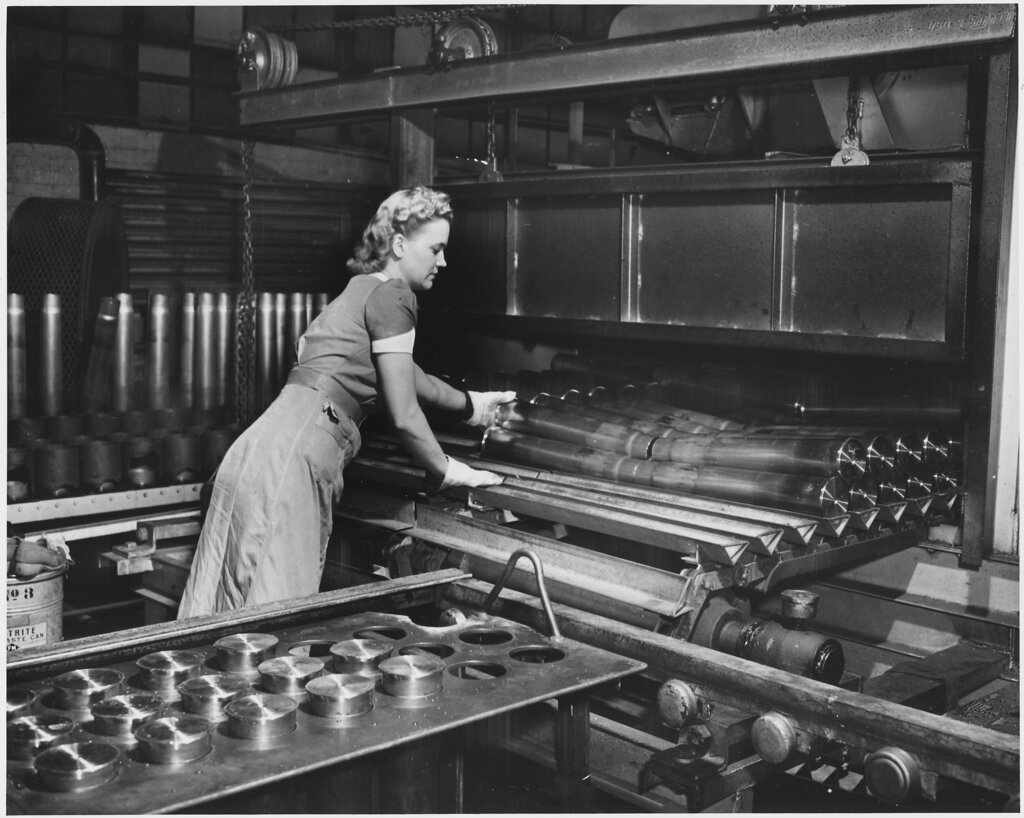
The process is incredibly precise. Different applications demand different balances. A sword needs an extremely hard edge to stay sharp, but the body of the blade must be tough so it can bend without shattering. Achieving this combination is only possible through careful, localized heat treatment.
Advanced steels often require precise heat control to unlock their full potential.
Understanding these fundamental properties is the first step in learning how to manipulate them. Heat treatment gives us the tools to transform ordinary materials into extraordinary ones.
What is the primary purpose of heat treatment in engineering?
A material that is difficult to scratch but shatters easily when struck, like a glass window, is best described as: