Mastering Health Insurance Sales
Health Insurance Basics
What Is Health Insurance?
Health insurance is a way to protect yourself from high, unexpected medical costs. Think of it like a financial safety net. You pay a regular fee to an insurance company, and in exchange, they agree to pay a portion of your medical bills if you get sick or injured.
Without insurance, a broken leg or a serious illness could lead to bills totaling tens of thousands of dollars. With it, your financial responsibility is limited, making healthcare more affordable and predictable.
The Language of Insurance
To understand any policy, you first need to know the language. Insurance plans are full of specific terms that define how you and your insurer share costs. Grasping these is the first step to choosing and using a plan wisely.
The first step to saving money on health insurance is to understand its fundamental vocabulary.
Premium
noun
The fixed amount of money you pay regularly (usually monthly) to keep your health insurance plan active.
This is a non-negotiable cost. Whether you visit a doctor or not, you must pay your premium to maintain coverage.
Deductible
noun
The amount of money you must pay out-of-pocket for covered health care services before your insurance plan starts to pay.
For example, if your deductible is $500, you pay the first $500 of covered services yourself. After you've paid that amount, you usually only pay a copayment or coinsurance for services, and the insurance company pays the rest.
Copayment
noun
A fixed amount (for example, $25) you pay for a covered health care service after you've paid your deductible.
Copayments (or copays) are common for things like doctor visits or prescription drugs. It's a flat fee you pay each time you get a specific service. Some plans apply copays before you've met your deductible, while others apply them after.
Coinsurance
noun
The percentage of costs of a covered health care service you pay after you've paid your deductible.
Let's say your plan has a 20% coinsurance. Once your deductible is met, you pay 20% of the bill for a covered service, and your insurer pays the other 80%. Unlike a copay, which is a flat fee, coinsurance is a percentage of the total cost.
Types of Plans
Health insurance isn't one-size-fits-all. Plans are structured differently, mainly around how you get care and which doctors you can see. These structures are often referred to by acronyms.
| Plan Type | Network Rules | Primary Care Physician (PCP) Required? | Referrals for Specialists? |
|---|---|---|---|
| HMO (Health Maintenance Organization) | Must use in-network doctors, except in emergencies | Yes | Yes |
| PPO (Preferred Provider Organization) | Can see in-network and out-of-network doctors | No | No |
| EPO (Exclusive Provider Organization) | Must use in-network doctors, except in emergencies | No | No |
| POS (Point of Service) | Can see in-network and out-of-network doctors | Yes | Yes |
Here's a quick breakdown:
- HMOs often have lower premiums but require you to use their network of doctors and get referrals from your primary doctor to see specialists.
- PPOs offer more flexibility to see any doctor you want, both in and out of network, without referrals. This freedom usually comes with a higher premium.
- EPOs are a hybrid. You don't need a primary doctor or referrals, but you must stay within the network for care to be covered.
- POS plans blend HMO and PPO features. You choose a primary doctor and need referrals, but you have the option to go out-of-network for a higher cost.
Public Health Programs
Beyond private insurance purchased by individuals or through employers, the U.S. government funds several major health programs to cover specific populations.
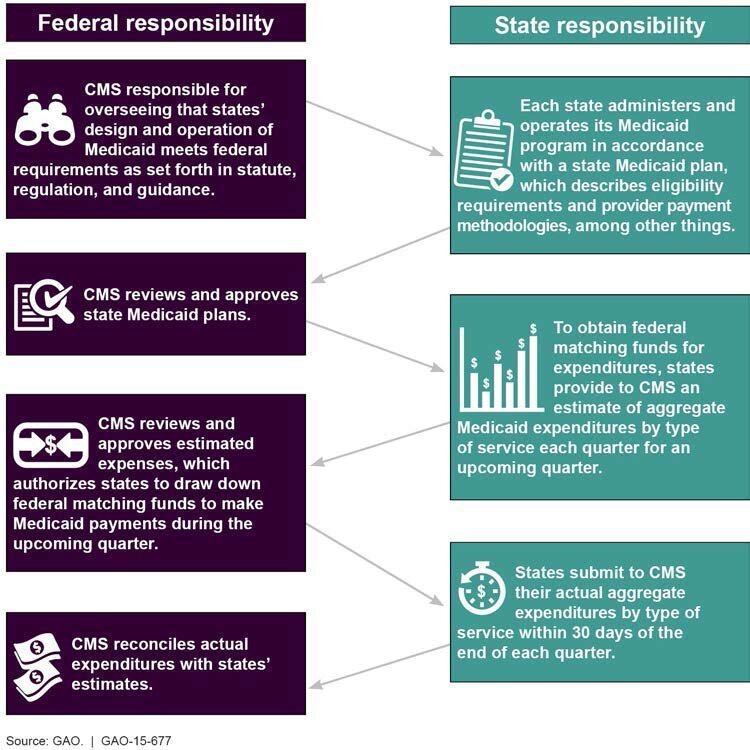
The main programs are:
- Medicare: This is a federal program that provides health coverage primarily for people who are 65 or older. It also covers certain younger people with disabilities.
- Medicaid: A joint federal and state program that helps with medical costs for some people with limited income and resources. Eligibility rules vary from state to state.
- Children’s Health Insurance Program (CHIP): This program provides low-cost health coverage to children in families who earn too much money to qualify for Medicaid but cannot afford to buy private insurance.
These programs serve as a crucial safety net, ensuring that millions of seniors, children, and low-income families have access to medical care.
What is the fixed, regular fee you pay to an insurance company to keep your health plan active, regardless of whether you use medical services?
You have a health plan with a 2,500, how much will you be responsible for paying?