Mastering HCI in Design Engineering
Introduction to HCI
What Is Human-Computer Interaction?
Human-Computer Interaction, or HCI, is the study of how people interact with computers and to what extent computers are or are not developed for successful interaction with human beings. Think of it as the conversation between a person and a machine. This conversation happens every time you use your phone, withdraw cash from an ATM, or set the temperature on a smart thermostat.
The goal of HCI is to make technology useful, usable, and enjoyable. It's about designing tools that fit the people who use them, not the other way around.
HCI isn't just about screens and keyboards. It covers every way we engage with technology. This includes the physical design of a device (like the shape of a mouse), the layout of a website, the sounds an app makes, and even the way you speak to a voice assistant. The scope is broad because technology is woven into nearly every part of modern life.
A Quick History
In the early days of computing, using a machine required specialized knowledge. You had to type cryptic commands into a black screen with blinking text. This was the era of the Command-Line Interface (CLI). It was powerful but intimidating for anyone who wasn't a programmer or a trained operator.
Everything changed with the invention of the Graphical User Interface (GUI). Pioneered at research labs like Xerox PARC and famously brought to the public by Apple's Macintosh, the GUI introduced concepts we now take for granted: windows, icons, menus, and pointers. Instead of typing commands, people could point and click. This breakthrough made computers vastly more accessible and intuitive, opening the door for personal computing to become a reality for millions.
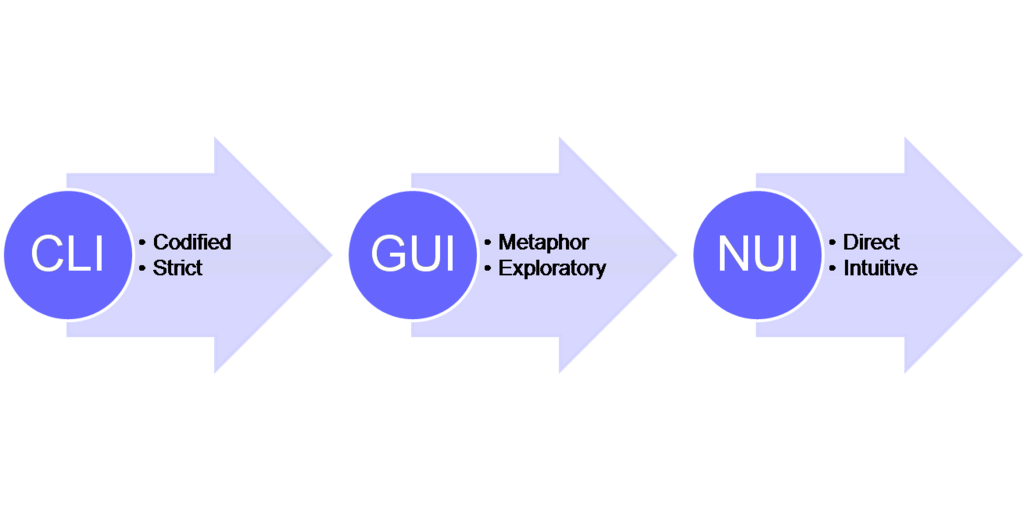
Today, we're in the age of the Natural User Interface (NUI), where our interactions are even more direct. We tap, swipe, and pinch touchscreens. We speak to our devices and get responses. The historical trend is clear: HCI pushes technology to become more human-centric, adapting to our natural ways of communicating and interacting with the world.
Why HCI Matters
Good HCI design is often invisible. When a product works just as you expect, you don't notice the careful thought that went into it. But you definitely notice bad design. A confusing website that makes it impossible to find what you're looking for, a frustrating checkout process that makes you abandon your cart, or a smart TV remote with too many buttons—these are all failures of HCI.
Effective HCI is crucial because it directly impacts a product's success. A well-designed system can increase productivity, reduce errors, and create a more positive experience for the user. In some cases, like medical equipment or aircraft cockpits, good HCI can be a matter of life and death. By focusing on the user from the very beginning, designers can create technology that empowers people instead of frustrating them.
User-centric design (UCD) puts the needs, desires, and limitations of the user at the forefront of the design process.
A Field of Many Disciplines
HCI is not a single, isolated field. It's a meeting point for many different areas of expertise. To understand the user, HCI draws from psychology and cognitive science. To build the interface, it relies on computer science and engineering. To make the interface visually appealing and easy to navigate, it uses principles from graphic design and information architecture. Sociologists and anthropologists also contribute by studying how technology fits into our social structures and daily lives.
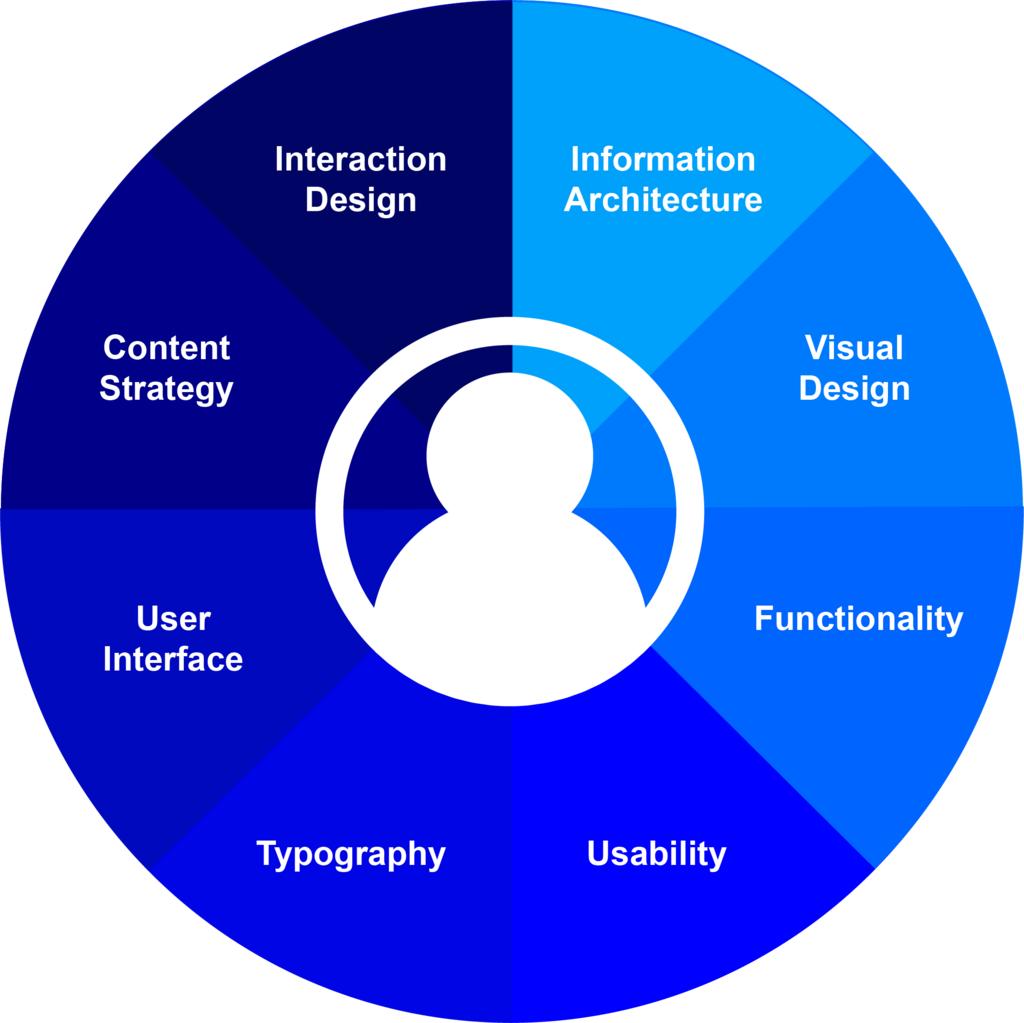
This interdisciplinary nature is what makes HCI so powerful. It brings together diverse perspectives to solve a single, fundamental problem: making technology work for people. By combining the technical with the human, HCI helps bridge the gap between a machine's logic and a person's intuition.
What is the primary focus of Human-Computer Interaction (HCI)?
Which of the following correctly lists the historical progression of computer interfaces mentioned in the text?
This foundation gives you a lens through which to see the technology you use every day, appreciating the thought that goes into making it feel effortless.