Mastering Hand Sewing and Garment Finishing
Hand Sewing Tools
Your Hand Sewing Toolkit
Before you make your first stitch, gathering the right tools is the most important step. Good equipment makes sewing easier, more precise, and far more enjoyable. You don't need a lot to get started, just a few key items that will serve you well for mending clothes or creating something new from scratch.
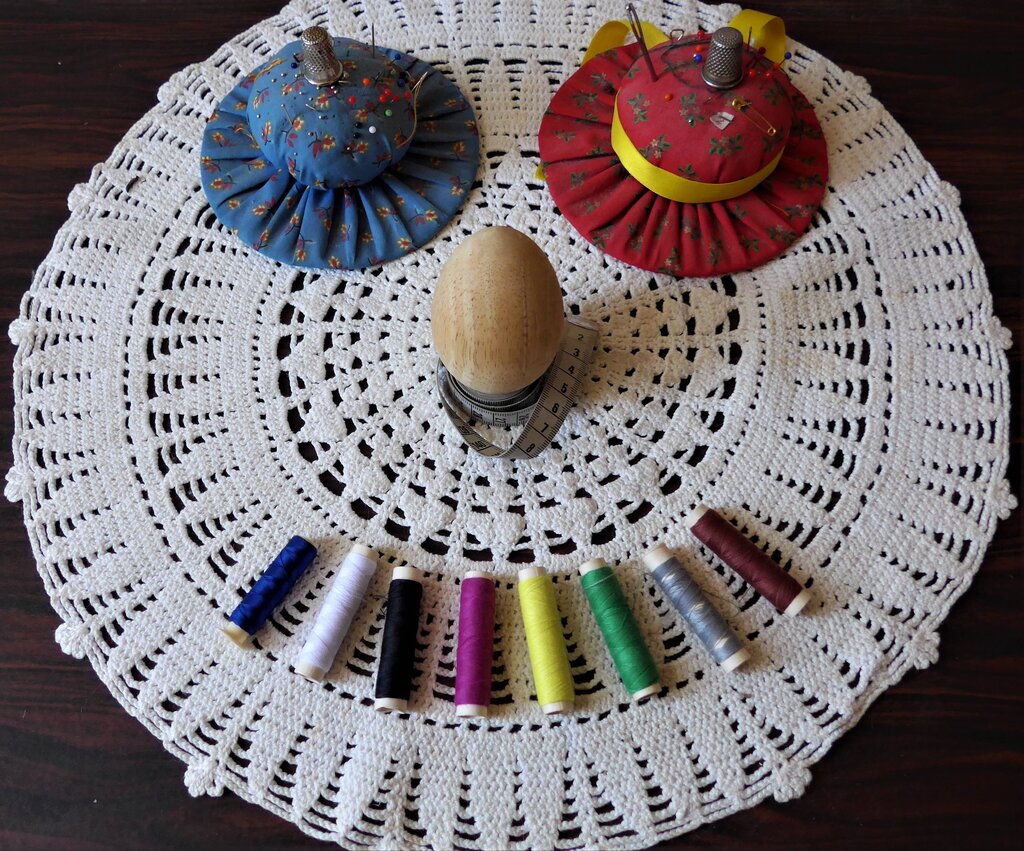
Think of these tools as your partners in the process. Investing in quality from the start means they’ll last for years. Let's walk through the essentials.
Needles and Thread
The needle and thread are the heart of any sewing project. They might seem simple, but choosing the right pair is crucial for creating strong, neat stitches without damaging your fabric.
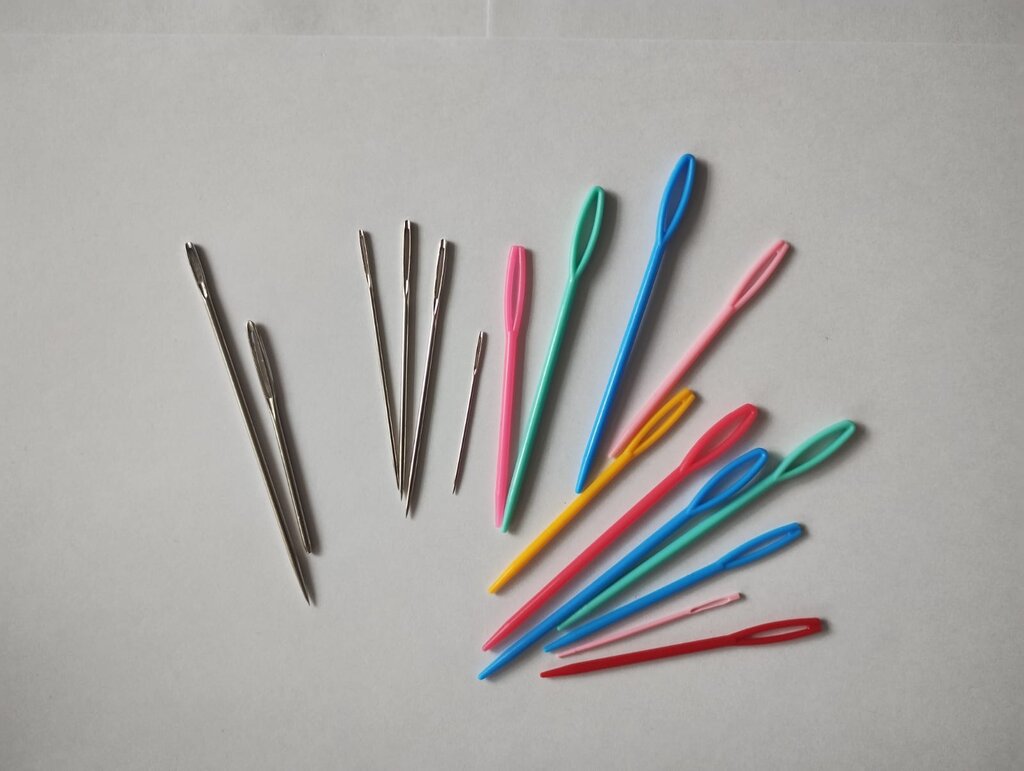
Sewing needles come in various sizes and types, each designed for a specific purpose. A needle's size is indicated by a number; the higher the number, the finer the needle. The type is determined by the length, eye size, and point sharpness. Using a needle that’s too big can leave permanent holes in delicate fabric, while one that’s too small might bend or break on heavy material.
| Needle Type | Description | Best For |
|---|---|---|
| Sharps | Medium length with a sharp point and a round eye. | General sewing on most woven fabrics. |
| Betweens | Shorter than sharps with a sharp point. | Detailed handwork like quilting and tailoring. |
| Embroidery | Medium length with a long, large eye. | Stitching with multiple strands of embroidery floss. |
| Ballpoint | Have a rounded tip instead of a sharp point. | Knitted fabrics, as the tip slides between yarns instead of piercing them. |
Just like needles, thread comes in different materials and weights. The goal is to match the thread to your fabric. A good rule of thumb is to choose a thread that is slightly darker than your fabric, as it will blend in better once stitched.
- Cotton thread: A good all-purpose choice for natural fibers like cotton and linen.
- Polyester thread: Strong and versatile, with a little stretch. It's ideal for synthetic fabrics and knits.
- Silk thread: Very strong yet fine, leaving almost no holes. It's perfect for delicate fabrics like silk and wool.
Cutting and Marking
Clean cuts and accurate marks are the foundation of a well-made garment. For this, you’ll need a few specialized tools.
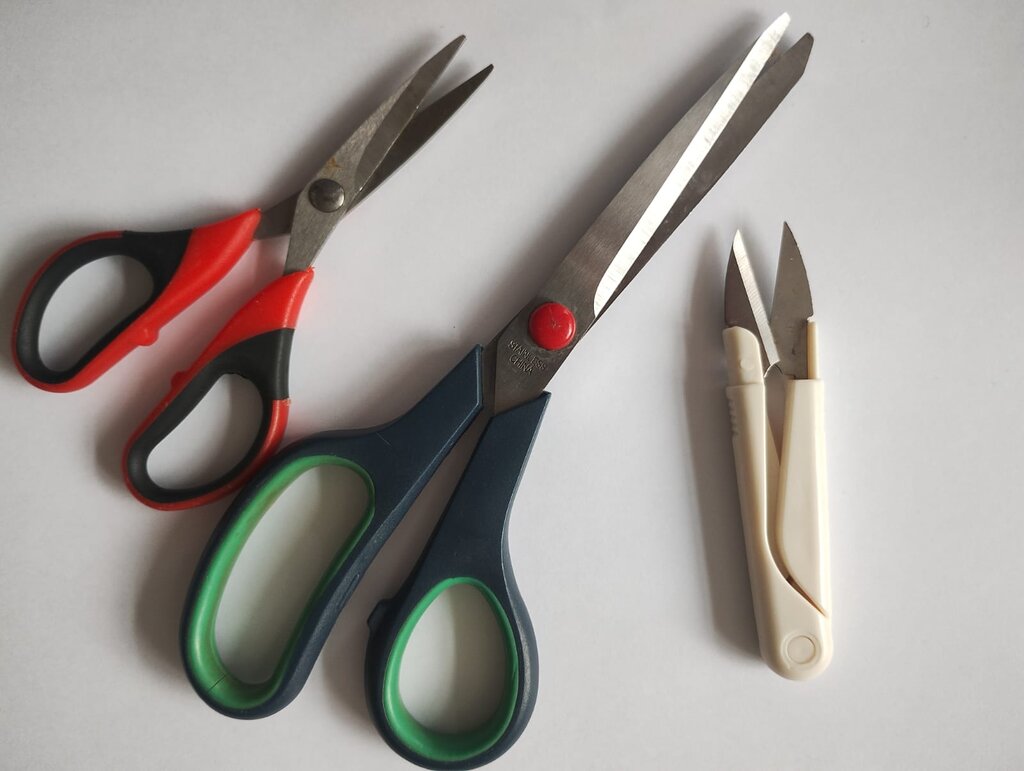
First, a good pair of scissors. It's wise to have a pair of fabric shears dedicated only to cutting fabric. Using them on paper or other materials will dull the blades quickly. Fabric shears are typically larger, with sharp, precise blades that cut through cloth smoothly. Keep a smaller pair of snips nearby for trimming threads.
Mistakes are a part of learning. A seam ripper is an indispensable tool for undoing stitches without damaging your fabric. It has a sharp, curved blade that slips under a stitch to cut the thread.
seam ripper
noun
A small sewing tool used for cutting and removing stitches.
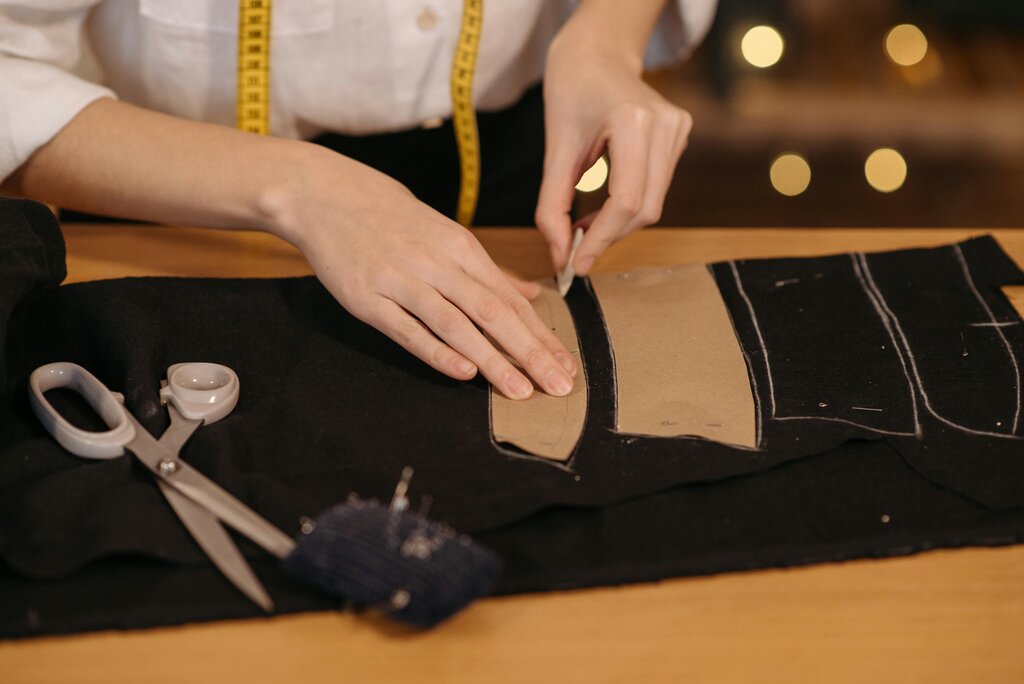
Before you cut or sew, you need to transfer pattern markings to your fabric. Marking tools help you trace outlines, indicate seam lines, and mark points for darts or buttonholes.
- Tailor's chalk: Comes in a small, flat square or a pencil. It makes clear marks that brush off easily.
- Fabric pens: These offer fine, precise lines. Some have disappearing ink that fades over time, while others have water-soluble ink that washes out.
- Tracing wheel: Used with tracing paper, this tool rolls over the pattern to transfer markings to the fabric below. It’s great for creating dotted lines on sturdy fabrics.
Measuring and Other Helpers
Accurate measurements are non-negotiable in sewing. A flexible tape measure is essential for taking body measurements and measuring curved lines. For straight lines, like marking hems or grainlines, a rigid ruler or seam gauge is your best bet.
Always measure twice and cut once. This old saying will save you a lot of fabric and frustration.
A thimble is a simple but brilliant tool that protects your finger as you push the needle through the fabric. It might feel awkward at first, but using one will save you from sore fingers, especially when working with thick materials. They come in metal, plastic, or leather, so you can find one that fits comfortably.
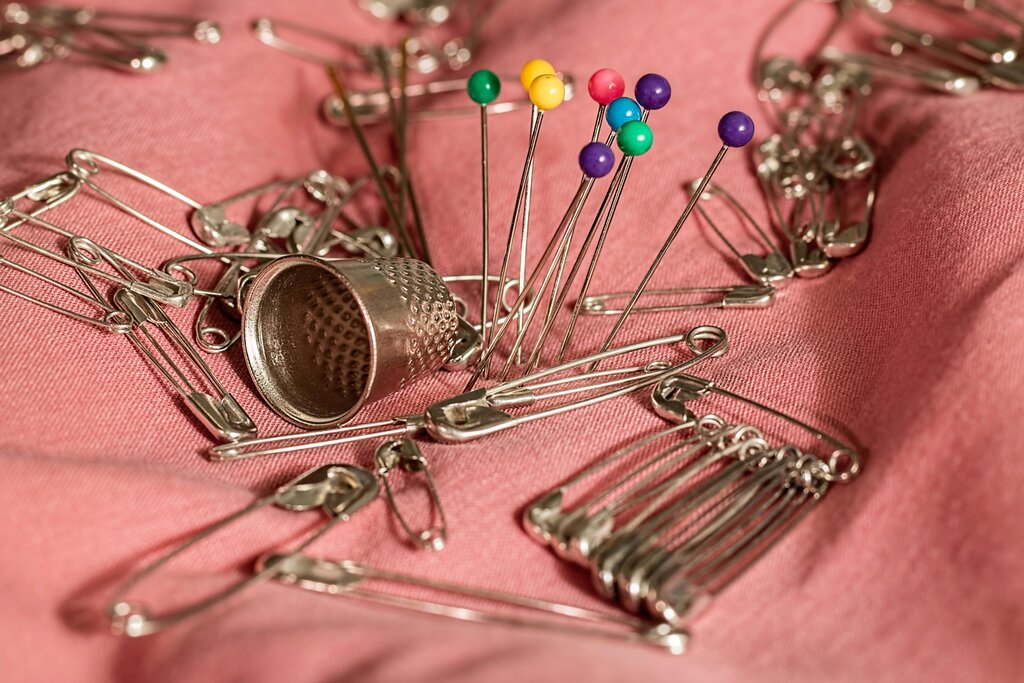
Finally, pins are necessary for holding fabric pieces together before and during sewing. Glass-head pins are a great choice because they won't melt if you accidentally touch them with an iron.
Caring for your tools is simple. Keep scissors sharp and clean, store needles and pins in a pincushion to prevent rust, and retract marking pen tips. With these basic tools and a little care, you'll be well-equipped to tackle any hand sewing project.