Mastering Guitar Solos
Scales and Modes
The Alphabet of Melody
If melodies are sentences, then scales are the alphabet. They are organized sets of notes that form the foundation for solos, riffs, and melodies. Learning scales is like learning the key patterns that unlock the entire fretboard, giving you a map to create your own music. We'll start with the most fundamental ones.
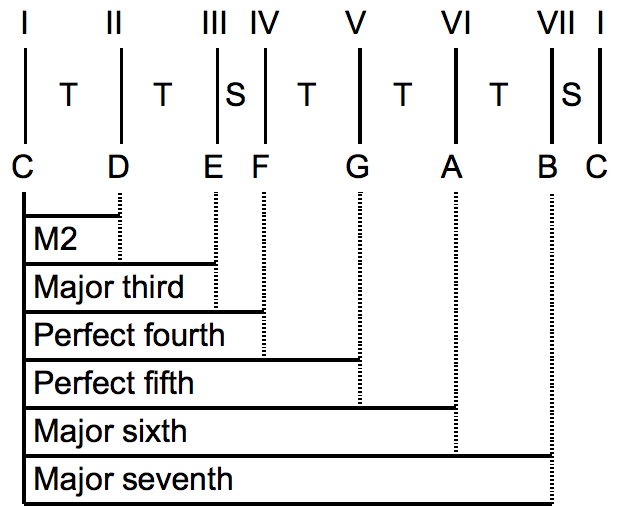
The major scale is the bedrock of Western music. It’s the familiar do-re-mi-fa-so-la-ti-do sound you've known since childhood. This scale has a bright, happy, and resolved feeling. It’s built from a specific pattern of whole steps (W) and half steps (H). A half step is the distance from one fret to the very next one, while a whole step is two frets.
The pattern for any major scale is always the same: W-W-H-W-W-W-H.
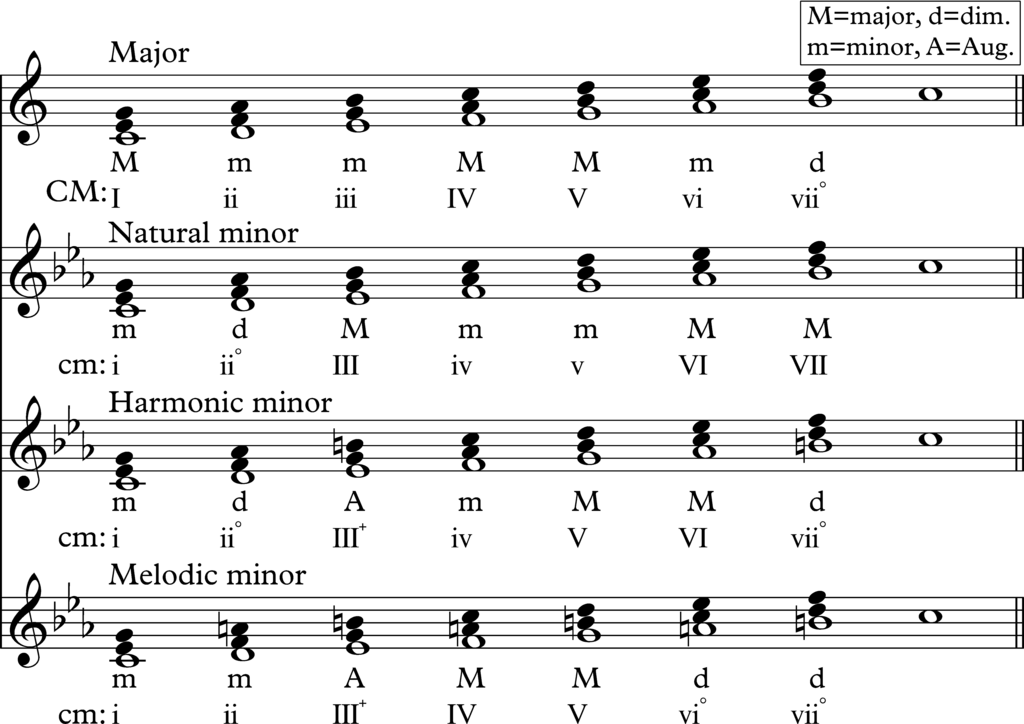
Next up is the minor scale. If the major scale sounds bright and cheerful, the minor scale often feels more somber, dramatic, or thoughtful. It’s perfect for creating a more emotional or serious mood.
The natural minor scale uses a different pattern of steps: W-H-W-W-H-W-W. Just like the major scale, this pattern is the same no matter which note you start on.
The Soloist's Secret Weapon
The pentatonic scale is one of the most useful tools for any guitarist. The name says it all: penta means five, so it’s a five-note scale. By removing two notes from the standard major or minor scales, you get a pattern that sounds good over almost anything. There are no “wrong” notes to worry about, which makes it a fantastic starting point for improvisation.
The major pentatonic has a sweet, open sound often heard in country and classic rock. The minor pentatonic is the backbone of blues, rock, and pop, delivering a classic, soulful sound.
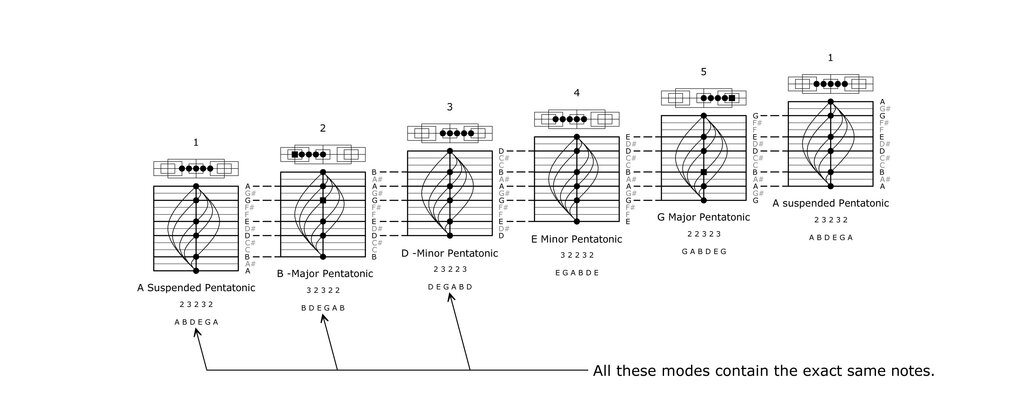
Because it’s so versatile, many legendary guitar solos are built almost entirely from the minor pentatonic scale.
Exploring New Flavors
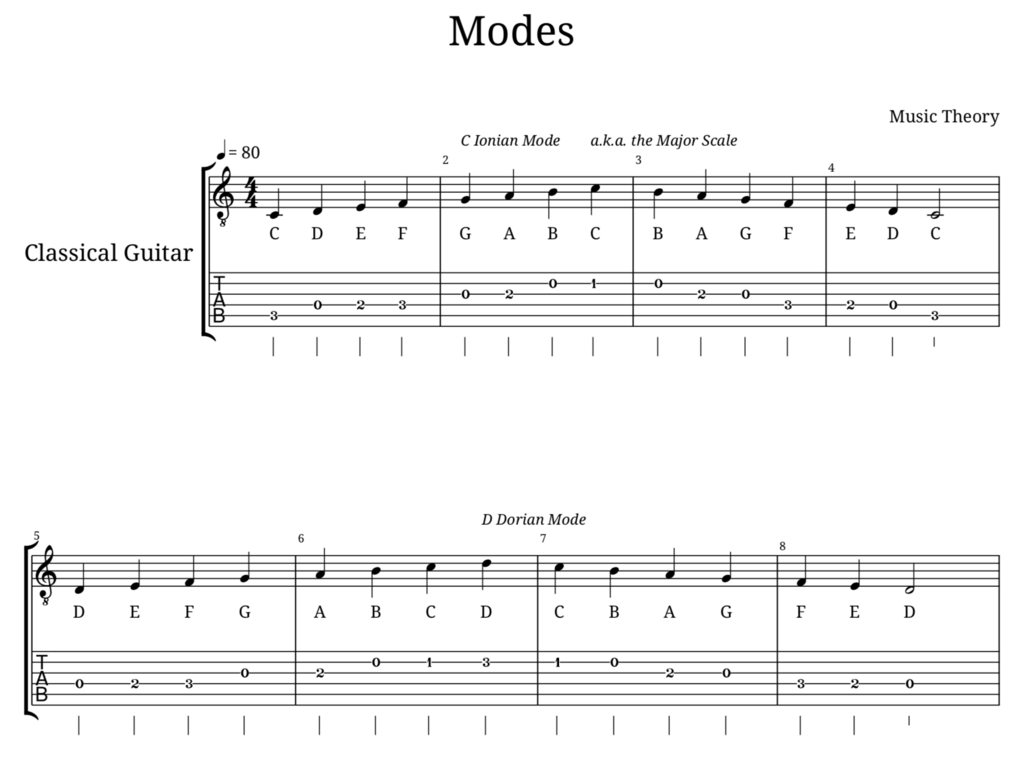
Once you're comfortable with the basic scales, you can explore modes. Modes are simply scales derived from another scale. Think of them as different flavors or moods you can create using the same set of notes. Each mode is just the major scale, but starting and ending on a different note in the sequence.
Let's look at two of the most common modes. The Dorian mode is the second mode of the major scale. It sounds similar to a natural minor scale, but with one key difference: it has a raised sixth note. This gives it a slightly brighter, jazzier, or more hopeful sound than a standard minor scale. It’s a favorite in jazz, funk, and classic rock.
The Mixolydian mode is the fifth mode of the major scale. It’s almost identical to the major scale, but with a flattened seventh note. This one change gives it a bluesy, dominant sound that’s perfect for rock, blues, and country music. It has the brightness of a major scale but with a little bit of tension and edge.
Think of modes like this: C major has the notes C-D-E-F-G-A-B. Starting on D gives you D Dorian (D-E-F-G-A-B-C). Starting on G gives you G Mixolydian (G-A-B-C-D-E-F). Same notes, different feel.
Time for a quick review of these melodic building blocks.
Now, let's test your knowledge.
What is the correct pattern of whole (W) and half (H) steps for a major scale?
Which scale is often considered the foundation of blues, rock, and pop, delivering a classic, soulful sound?
Mastering these scales and modes is a journey, not a race. Practice them until they feel natural under your fingers. This foundational knowledge will open up the fretboard and give you the freedom to create your own expressive solos.