Mastering Growth Hacking
Introduction to Growth Hacking
What Is Growth Hacking?
The term "growth hacking" was coined in 2010 by Sean Ellis, a marketer who helped several tech companies achieve incredible growth. He needed to hire a replacement for himself but found that traditional marketers didn't have the right skillset. He wasn't looking for someone with a big budget and a classic marketing playbook. He needed someone whose primary goal was one thing: growth.
A growth hacker is a person whose true north is growth. Every decision they make, every strategy they execute, and every initiative they launch is inspired by the potential for growth. It's a mindset that blends marketing, data analysis, and product development to find creative, low-cost strategies to acquire and retain users.
Growth hacking is less about a budget and more about a relentless focus on growing a user base quickly and efficiently.
In the digital age, where new startups and products appear daily, the competition for attention is fierce. Many of these new companies don't have the massive marketing budgets of established corporations. Growth hacking emerged from this necessity. It provides a way for smaller players to compete by being smarter, faster, and more creative, using the digital landscape to their advantage to find scalable ways to grow.
Not Your Average Marketing
While growth hacking and traditional marketing both aim to attract customers, their approaches are fundamentally different. Traditional marketing often relies on established, long-term strategies like advertising campaigns, public relations, and branding. These methods can be expensive and their direct impact on growth can be hard to measure.
Growth hacking, on the other hand, is all about speed and agility. It operates on short, rapid cycles of experimentation to find what works, then doubles down on it. The focus is always on tactics that are scalable and have a direct, measurable impact on user acquisition and retention.
Growth hacking is distinct from traditional marketing in that it prioritizes scalable and cost-effective strategies aimed at rapid growth.
Think of it this way: a traditional marketer might spend months planning a major TV ad campaign. A growth hacker might launch a dozen small online experiments in a week, analyze the data, and pivot their strategy based on the results.
| Feature | Traditional Marketing | Growth Hacking |
|---|---|---|
| Primary Goal | Brand awareness, market share | Rapid, measurable user growth |
| Process | Planned, long-term campaigns | Agile, rapid experimentation |
| Budget | Often large and pre-allocated | Lean, focused on high ROI |
| Focus | The entire marketing funnel | Specific, high-impact growth levers |
| Team | Typically siloed marketing dept. | Cross-functional (product, engineering) |
The Growth Hacker's Mindset
Growth hacking isn't just a collection of tactics; it's a way of thinking defined by several key characteristics. These principles guide every experiment and decision.
Growth Hacking
noun
A process of rapid experimentation across marketing and product development to find the most effective ways to grow a business.
First, it's data-driven. Gut feelings and assumptions are replaced by hard data. Every decision is based on analytics and performance metrics. If an experiment doesn't produce measurable results, it's abandoned, and a new one is tried.
Second, it requires creativity. Growth hackers look for unconventional solutions. They might find growth opportunities in places traditional marketers would overlook, like tweaking the product's onboarding flow or creating a viral referral program.
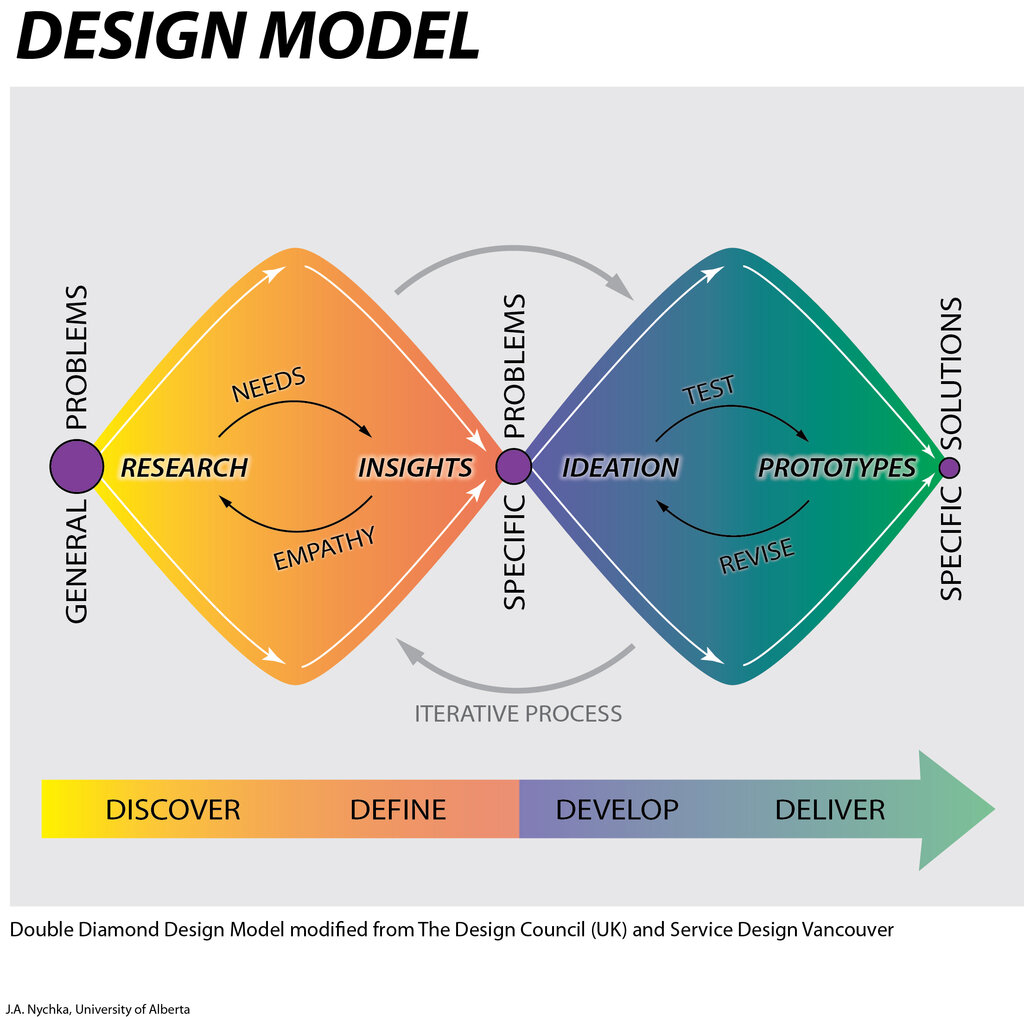
Third is rapid experimentation. The core of growth hacking is a constant cycle of hypothesizing, building, testing, and learning. This allows for quick identification of effective strategies and avoids wasting resources on things that don't work. It's about failing fast to succeed faster.
Another key trait is cost-effectiveness. The goal is to achieve maximum impact with minimum spend. This often means prioritizing organic channels, viral marketing, and automation over expensive paid advertising.
Finally, growth hacking is a cross-functional effort. It's not confined to the marketing department. Growth hackers work closely with product developers, engineers, and designers. Why? Because growth isn't just about ads; it can be driven by product features, user experience, and technical optimizations. Everyone on the team is responsible for growth.
Ready to test your knowledge? Let's see what you've learned about the fundamentals of growth hacking.
Who is credited with coining the term "growth hacking" in 2010?
Which of the following best describes the core difference between growth hacking and traditional marketing?
Understanding these core principles is the first step. It's about adopting a mindset geared toward finding and scaling what works, using data and creativity as your guide.