Mastering Groovy Programming
Introduction to Groovy
What Is Groovy?
Groovy is a powerful, dynamic language that runs on the Java Virtual Machine (JVM). Think of it like this: if Java is a formal, structured language, Groovy is its more relaxed, expressive cousin. It was designed to be a companion to Java, not a replacement. This means you can use all the existing Java libraries you know and love, but with a much cleaner and simpler syntax.
Groovy's main goal is to improve developer productivity. It cuts down on the amount of code you need to write, making your programs easier to read and maintain.
Some of its key features include:
- Optional Typing: You can declare types for your variables like in Java, or you can let Groovy figure them out for you.
- Simple Syntax: It eliminates a lot of the boilerplate code required in Java. Semicolons are optional, and
returnstatements often aren't needed. - Seamless Java Integration: You can have Groovy and Java code in the same project. Groovy code compiles down to Java bytecode, so it can call Java code, and Java code can call Groovy code.
Groovy vs. Java
The best way to see the difference is with a simple example. Here’s the classic “Hello, World!” program in Java.
public class HelloWorld {
    public static void main(String[] args) {
        System.out.println("Hello, World!");
    }
}
This requires a class, a main method, and a full print statement. Now, let’s look at the same thing in Groovy.
println "Hello, World!"
That's it. One line. Groovy automatically handles the underlying class structure and provides convenient shortcuts like println. This conciseness is a huge advantage, especially for writing quick scripts or utility programs.
While Java is statically-typed (meaning you must declare variable types at compile time), Groovy is dynamic. This offers more flexibility, letting you write code faster. However, you can still add type declarations in Groovy whenever you want the extra safety and clarity that static typing provides.
Setting Up Your Environment
Getting started with Groovy is straightforward. You can install it on any major operating system. The recommended way for macOS and Linux is using SDKMAN!, a tool for managing multiple Software Development Kit versions.
Using a terminal, you can install SDKMAN! and then simply run
sdk install groovy.
For Windows, you can download the installer from the official Groovy website. Once installed, you'll have access to the Groovy command-line tools.
One of the most useful tools for learning is the Groovy Console. It’s a simple interactive window where you can write and run Groovy code on the fly without needing to create files or set up a full project. To launch it, just open your terminal or command prompt and type:
groovyConsole
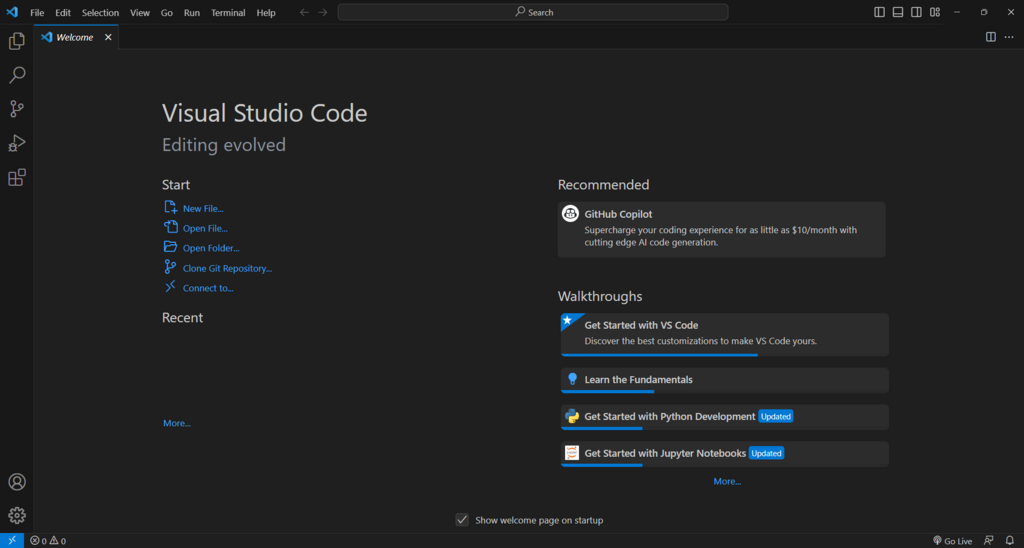
For larger projects, you’ll want to use an Integrated Development Environment (IDE) like IntelliJ IDEA, Eclipse, or Visual Studio Code. Most popular IDEs have excellent Groovy support through plugins or extensions. This gives you features like code completion, debugging, and seamless integration with build tools like Gradle or Maven.
Ready to check your understanding?
Which statement best describes the relationship between Groovy and Java?
True or False: In Groovy, you must declare the type for every variable, just like in Java.
Now you have the fundamentals of what Groovy is and how to get it running on your machine. You're ready to start scripting.