Mastering GRID Software for Robotics
Introduction to GRID
The GRID Platform
Building a smart robot is incredibly complex. It’s not just about assembling hardware; you also have to create the software brain that allows it to navigate, learn, and perform tasks. This process can take years of specialized work. General Robotics created the GRID platform to simplify this. Think of it as a powerful operating system combined with a complete workshop for building robotic intelligence.
GRID provides developers with a unified environment where all the essential tools are already connected. Instead of starting from scratch, developers get a massive head start, allowing them to focus on what makes their robot unique, not on reinventing the basics.
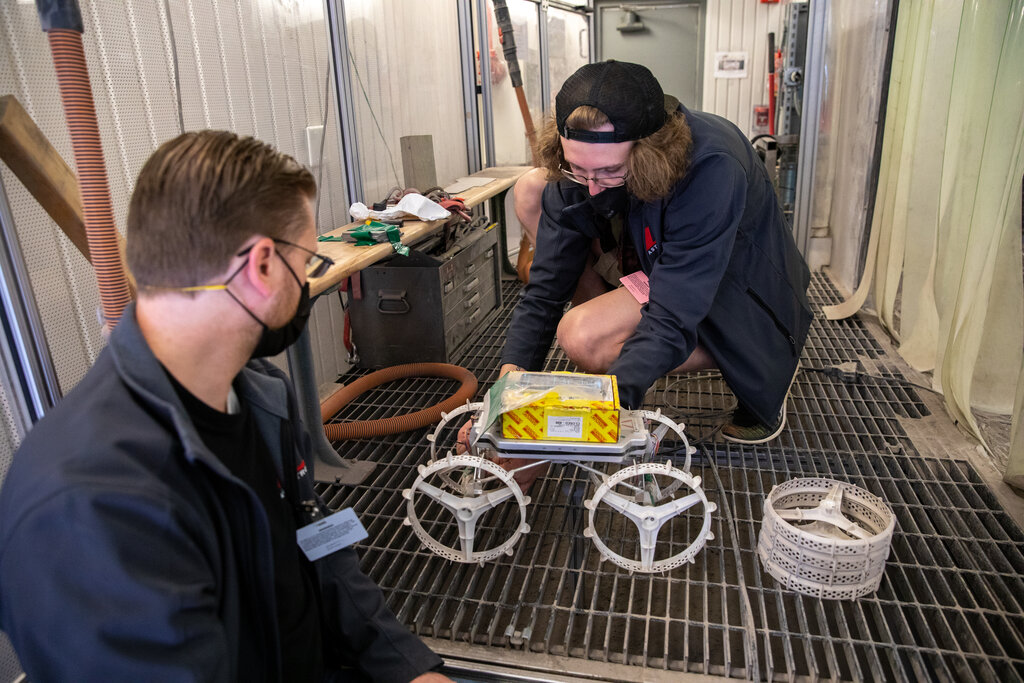
Core Features
GRID integrates three critical components for modern robotics development. It connects the robot's brain, its practice playground, and its library of experiences all in one place.
1. AI Model Integration: GRID allows developers to easily plug in various pre-built or custom AI models. These models act as the robot's brain, handling everything from object recognition to complex decision-making. This flexibility means developers can choose the best 'brain' for the job without having to build it themselves.
2. High-Fidelity Simulation: Before a robot ever touches the real world, it can be tested in a hyper-realistic virtual environment. GRID’s simulator mimics real-world physics, lighting, and textures. Here, a robot can practice a task thousands of times, fail safely, and learn from its mistakes without any risk of costly physical damage.
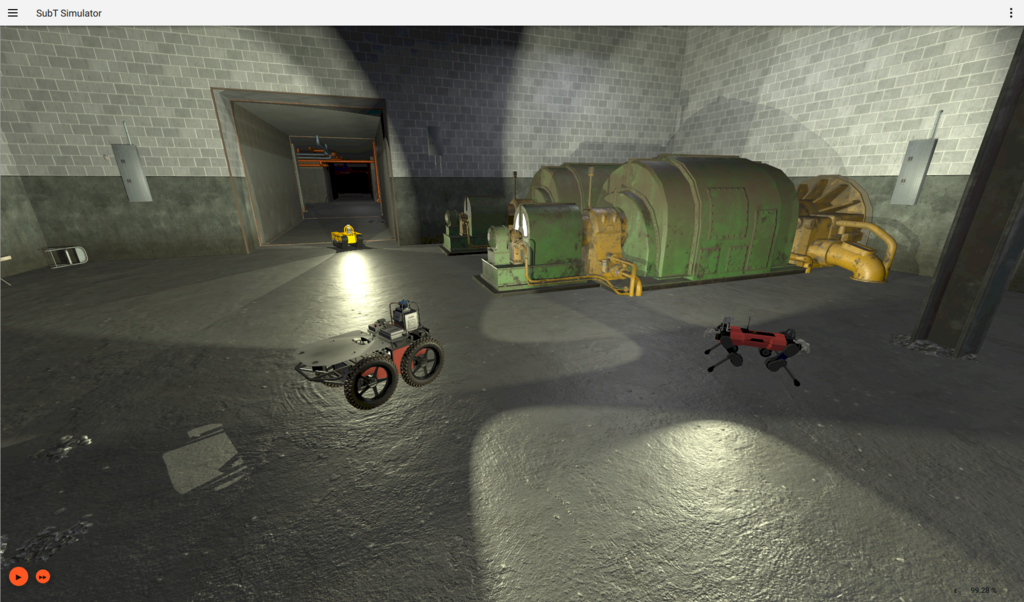
3. Synthetic Data Generation: AI models need massive amounts of data to learn effectively. Instead of spending months collecting real-world data, GRID can generate it automatically within the simulation. For example, it can create thousands of images of a specific tool from different angles and in various lighting conditions, rapidly teaching the robot to recognize it.
Why It Matters
The integrated nature of the GRID platform offers significant advantages for anyone building robotic systems. Development cycles that once took years can be shortened to months. By testing rigorously in a virtual world, the final robot is safer, more reliable, and more capable when deployed.
Test in the virtual world, deploy with confidence in the real world.
Ultimately, platforms like GRID accelerate innovation. They lower the barrier to entry, enabling smaller teams and startups to develop sophisticated robots that can tackle complex challenges in manufacturing, logistics, exploration, and beyond. By providing the foundational tools, GRID lets creators focus on creating.
What is the primary goal of the General Robotics GRID platform?
A robotics team needs to train their robot to recognize a specific warehouse package. They don't have time to take thousands of pictures of it in the real world. Which GRID feature is designed to solve this problem?