Mastering Graphic Recording
Introduction to Graphic Recording
What is Graphic Recording?
Imagine sitting in a meeting where ideas are flying around. Instead of just hearing the words, you see them come to life on a large canvas. That's graphic recording. It's the real-time practice of capturing spoken content and translating it into a visual map of text, drawings, and symbols.
A graphic recorder listens intently to a conversation—be it a presentation, a workshop, or a brainstorming session—and synthesizes the key points visually. The goal isn't to create a beautiful piece of art, but to create a clear, engaging, and memorable record of the discussion. This visual summary helps everyone in the room see the connections between ideas and understand the bigger picture as it unfolds.
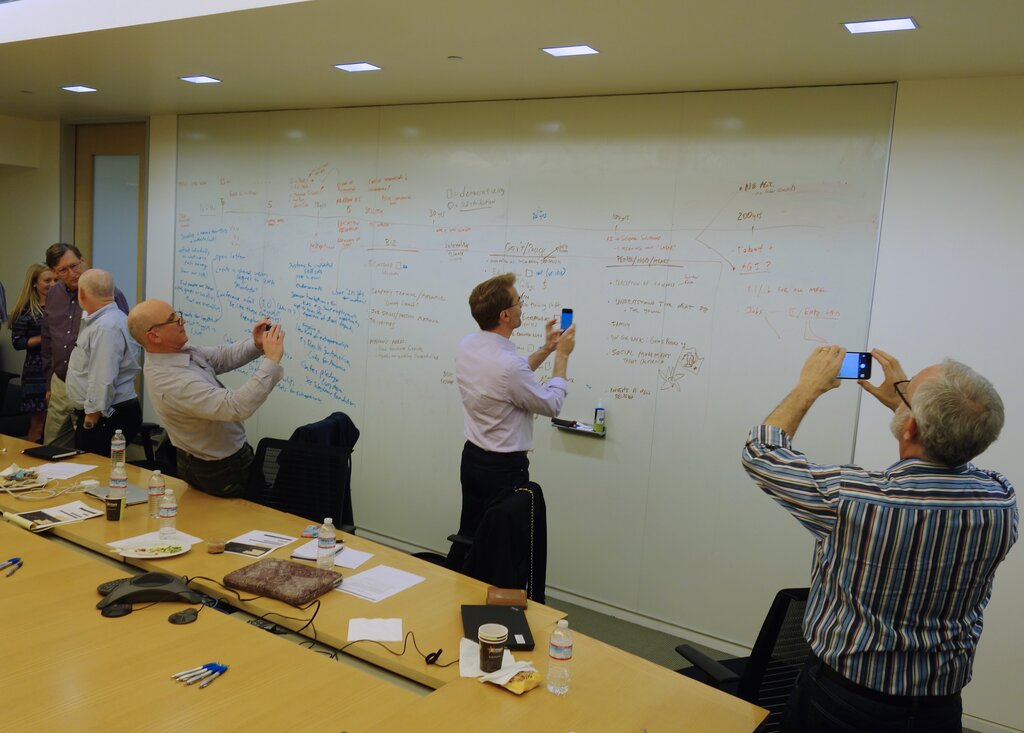
By turning abstract concepts into concrete images, graphic recording boosts engagement and helps people retain information. When you see a complex idea illustrated, it sticks with you long after the meeting ends.
Where Did It Come From?
Graphic recording isn't a new phenomenon. Its modern roots trace back to the 1970s in the San Francisco Bay Area, emerging from the worlds of architecture, design, and organizational development. Pioneers like David Sibbet began using large-scale visuals to help groups think more creatively and collaboratively.
They realized that when people could see their collective thoughts mapped out, they were better able to solve complex problems and build a shared vision. What started as an experimental practice in corporate boardrooms has since spread across industries, becoming a valuable tool for anyone looking to make meetings more productive and meaningful.
The practice is built on a simple premise: people understand and remember more when information is presented visually.
Distinctions and Differences
The world of visual note-taking has several related practices. While they share similarities, their purpose and context are different. Understanding these distinctions helps clarify the unique role of a graphic recorder.
sketchnoting
noun
A personal method of note-taking that combines text and drawings in a sketchbook or on a tablet. It's created by an individual, for that individual.
Graphic recording is done on a large scale, like a mural, for a group. Sketchnoting is done on a small scale, like a notebook, for an individual. Another key difference is the role of a graphic facilitator.
| Practice | Role | Audience | Scale |
|---|---|---|---|
| Graphic Recording | Listens and captures the group's conversation | The group | Large (wall-sized) |
| Sketchnoting | Listens and captures notes for personal use | The individual | Small (notebook) |
| Graphic Facilitation | Leads and guides the group's conversation using visuals | The group | Large (wall-sized) |
A graphic recorder is a neutral party, focused solely on listening and capturing the essence of the conversation. A graphic facilitator, on the other hand, is an active leader. They design and guide the meeting, using visuals to steer the discussion, build consensus, and help the group achieve its goals.
Ready to check your understanding? This quick quiz will test you on the key concepts we've covered.
What is the primary goal of graphic recording?
According to the text, the modern practice of graphic recording has its roots in which decade and location?
Now you know the fundamentals of graphic recording—what it is, where it came from, and how it differs from similar practices. It's a powerful tool for making group conversations more visual, engaging, and memorable.